New Lex Fridman Insight: Chris Voss: FBI Hostage Negotiator
Sent June 11, 2026
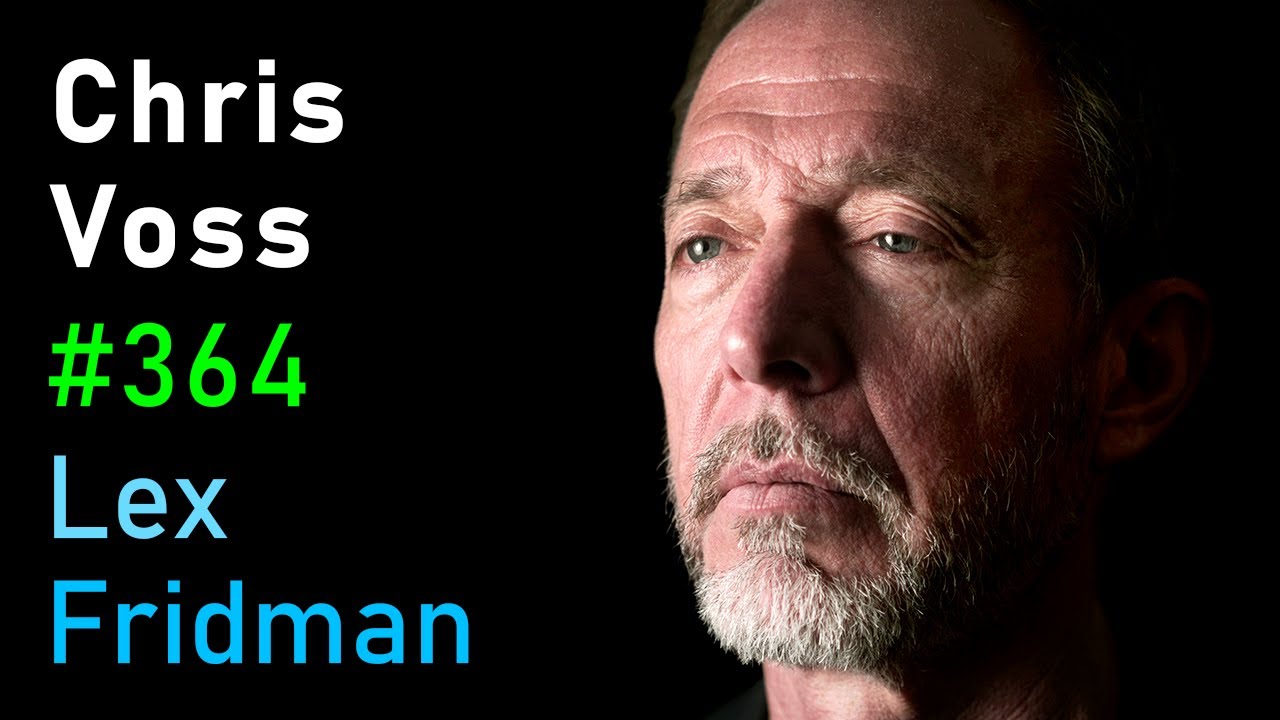
Key Insights
- Chris Voss argues that empathy, not agreement, is crucial in negotiations, allowing one to understand adversaries without siding with them.
- Hostage negotiation success rates are around 93%, but failures often occur due to the other party's unwillingness to make a deal.
- The U.S. policy of not negotiating with terrorists is misunderstood; communication does occur despite the public stance.
- Voss contends that assertive negotiation tactics are counterproductive, often triggering fight or flight responses.
- Negotiation techniques like mirroring and labeling are effective because they focus on empathy and understanding emotions.
How the conversation moved
Lex Fridman opens the conversation by framing the complexities of hostage negotiations, focusing on the emotional dynamics involved. Chris Voss, drawing from his extensive experience, emphasizes that empathy is more crucial than agreement in negotiations. He argues that understanding an adversary's perspective without necessarily agreeing with them can lead to more effective outcomes, a point he illustrates with examples from high-stakes negotiations.
Voss presents his main argument that successful negotiation hinges on understanding the emotional drivers of the opposing party. He cites the high success rate of hostage negotiations, around 93%, as evidence of the efficacy of empathy-driven techniques. He also discusses the misunderstood U.S. policy of not negotiating with terrorists, clarifying that communication does occur, which is crucial for international diplomacy.
Lex doesn't challenge Voss's framing on the importance of empathy, though the discussion could have explored potential downsides or limitations of empathy in negotiations. Voss does push back against the common belief that assertive negotiation tactics are effective, arguing they often lead to counterproductive outcomes by triggering fight or flight responses in the other party.
The conversation concludes with Voss highlighting specific negotiation techniques like mirroring and labeling, which focus on empathy and understanding emotions. The discussion pivots to the role of conflict in creativity and the limitations of AI in replicating human negotiation skills, leaving open questions about the future integration of AI in negotiation processes.
Surprising moments
In-depth
Empathy in Negotiations
- Empathy allows understanding without agreement, crucial in negotiations.
- Empathy can be applied to understand adversaries like Putin.
- Empathy has no downside and can lead to successful negotiations.
- Painting a vision of the future is important in negotiations.
Misunderstandings in U.S. Policy
- The U.S. does communicate with terrorists despite public statements.
- This policy misunderstanding affects international relations.
Negotiation Techniques
- Mirroring and labeling focus on empathy and understanding emotions.
- Assertive tactics are counterproductive, triggering fight or flight responses.
- Exhaustion can lead to resolution by dampening negative emotions.
Notable Quotes
The toughest part is if it looks bad from the beginning and you gotta engage in a process anyway.
Still open
- Chris Voss questioned whether assertive negotiation tactics could ever be effective, leaving this as an open area for further exploration.