New Lex Fridman Insight: Christopher Capozzola: World War I, Ideology, Propaganda, and Politics
Sent June 11, 2026
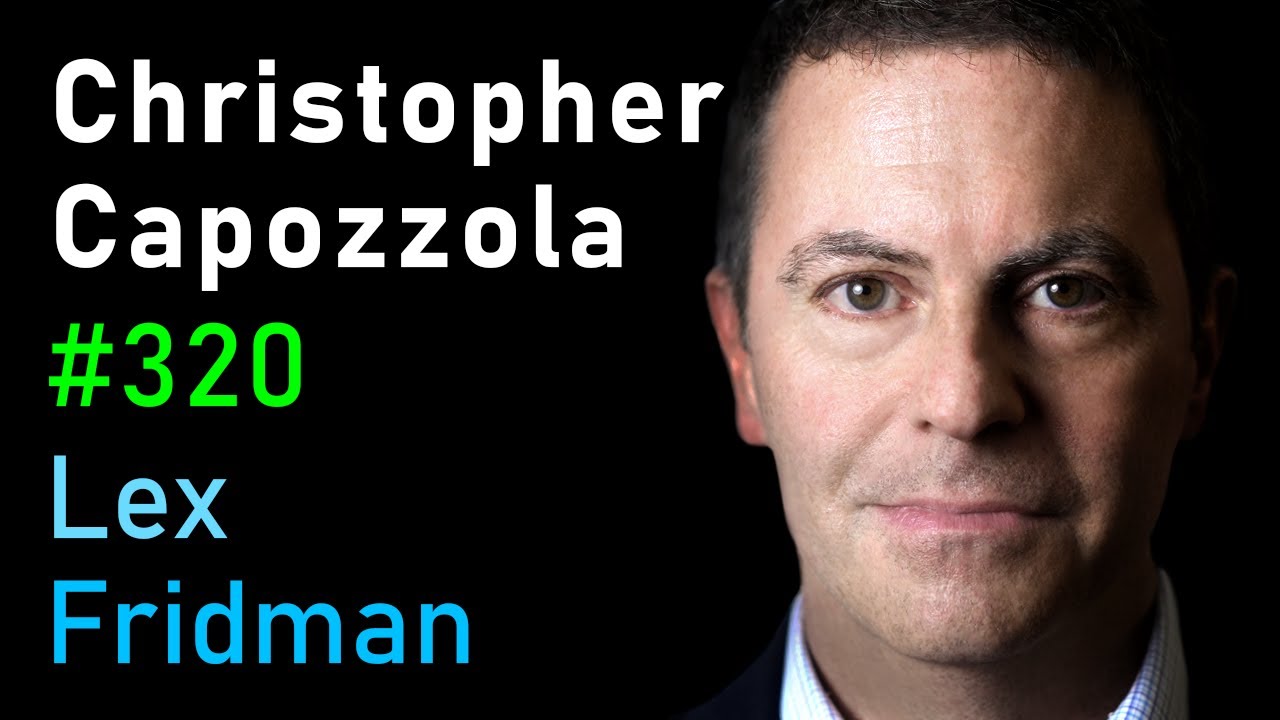
Key Insights
- The Selective Service Act of 1917 led to 24 million men registering for the draft, fundamentally altering American citizenship obligations.
- The Espionage Act of 1917 suppressed dissent against military recruitment, impacting civil liberties during World War I.
- Nationalism in America during World War I was a double-edged sword, fostering both unity and division.
- Social media platforms like Twitter have complex roles in democracy, balancing corporate rules with public discourse.
- The failure to join the League of Nations after World War I contributed to conditions leading to World War II.
How the conversation moved
The host framed the discussion around the multifaceted causes of World War I, with Capozzola emphasizing the role of military buildup and alliances among European powers. He detailed how the assassination of Archduke Franz Ferdinand was a catalyst rather than the sole cause, with the industrial revolution introducing new warfare technologies that increased casualties. Capozzola argued that the United States' involvement in World War I was not inevitable, challenging the notion of historical determinism.
Capozzola's main argument centered on the dual nature of nationalism during World War I, where it served both as a unifying force and a source of division. He cited President Woodrow Wilson's campaign to keep the U.S. out of the war and the subsequent divided public opinion as evidence of nationalism's complex role. The conversation highlighted how inclusive nationalism could foster unity, while exclusionary nationalism could lead to division and hatred.
The host did not challenge Capozzola's framing of nationalism directly, though the conversation acknowledged the tension between civic and exclusionary forms. Capozzola's assertion that the United States could have avoided military involvement in World War I was a point of potential contention, as it contradicts the common narrative of inevitable engagement. The discussion also touched on the Espionage Act's impact on civil liberties, which could have been a point of deeper exploration.
The conversation concluded with reflections on the lessons from history, particularly the importance of international cooperation to prevent future conflicts. Capozzola noted the failure to join the League of Nations as a missed opportunity that contributed to the conditions leading to World War II. The discussion also explored the role of media and social media in shaping political narratives, emphasizing the need for democratic oversight of platforms like Twitter.
Surprising moments
In-depth
World War I causes and consequences
- World War I's roots in military buildup and European rivalries.
- The assassination of Archduke Franz Ferdinand as a catalyst.
- The industrial revolution's role in warfare technology.
Nationalism and American identity
- Woodrow Wilson's campaign to keep the U.S. out of war.
- Debate over U.S. involvement in World War I.
- Inclusive vs. exclusionary nationalism in America.
Political and social impact of World War I
- The Selective Service Act's impact on citizenship.
- The Espionage Act's suppression of dissent.
- The growth of the federal government post-war.
Media influence on politics
- Media's role in creating partisanship.
- Twitter's democratic platform vs. corporate rules.
- Censorship's impact on public discourse.
Historical lessons and future implications
- The failure to join the League of Nations post-WWI.
- Parallels between World War I and modern conflicts.
- The role of drugs in Nazi Germany's military strategies.
Notable Quotes
Human life is not cheap.
Still open
- Capozzola questioned whether the failure to join the League of Nations directly contributed to World War II conditions.
- The role of social media in democracy, especially regarding censorship and corporate rules, remains an open debate.