New Lex Fridman Insight: Cristos Goodrow: YouTube Algorithm
Sent June 11, 2026
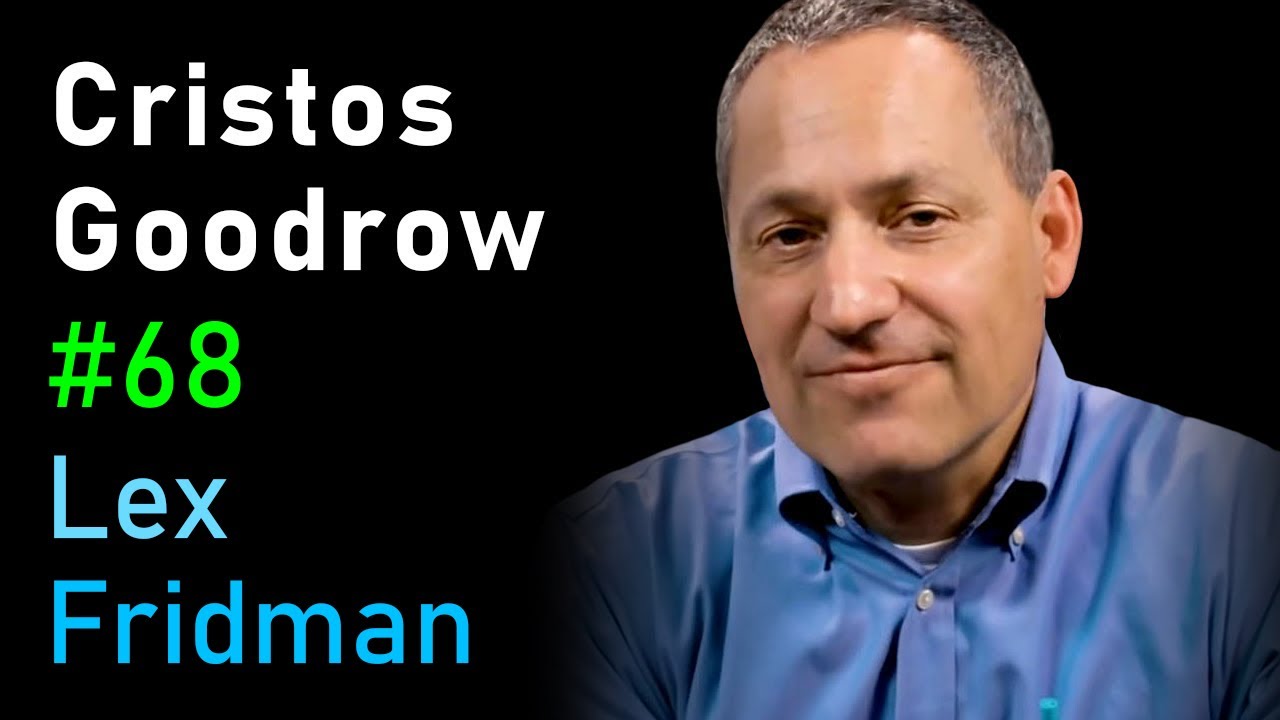
Key Insights
- YouTube's recommendation system processes over 500,000 hours of new video daily, more than a human could watch in a lifetime.
- YouTube uses collaborative filtering and clustering to offer diverse content recommendations, such as suggesting jazz to science viewers.
- User interactions like likes, dislikes, and comments are key signals in YouTube's algorithm to gauge satisfaction and improve recommendations.
- A-B testing on YouTube involves hundreds of variables to refine viewer experience and optimize algorithm changes.
- Self-supervised learning is seen as a future pathway for video intelligence, but summarizing video content remains largely unsolved.
How the conversation moved
Lex Fridman began the conversation by framing the immense scale of YouTube's operations, highlighting the platform's responsibility in managing such a vast amount of content and user interactions. Christos Goudreau responded by emphasizing the importance of the recommendation system, which processes over 500,000 hours of new video daily. This set the stage for discussing how YouTube balances user engagement with content diversity, using clustering techniques to suggest unexpected yet relevant content like jazz videos to science enthusiasts.
Goudreau elaborated on the integration of algorithmic and human inputs in content moderation, with Susan Wojcicki highlighting the necessity of human oversight to manage the vast and varied content effectively. They discussed collaborative filtering as a method for recommending videos based on user behavior, which helps maintain relevance across different languages and cultures. This dual approach aims to enhance the accuracy and cultural sensitivity of recommendations, ensuring a more personalized user experience.
While the conversation explored the technical aspects of YouTube's algorithms, Wojcicki noted the challenge of interpreting user feedback, such as likes and dislikes, which are not always straightforward indicators of satisfaction. Lex didn't challenge the framing here, though the obvious counter-position would be questioning the effectiveness of these signals in truly capturing user intent. The discussion also touched on the importance of A-B testing, where hundreds of variables are assessed to refine the algorithm's effectiveness, ensuring changes lead to improved user engagement.
The conversation concluded with a forward-looking discussion on the future of video analysis, particularly the potential of self-supervised learning to enhance video intelligence. Christos mentioned that current systems focus on specific tasks and that summarizing video content is still largely unsolved, indicating a significant area for future development. The dialogue highlighted the evolving role of YouTube as a platform, potentially taking the place of traditional TV, and the ongoing challenges in achieving a more nuanced understanding of video content.
Surprising moments
In-depth
YouTube's Scale and Responsibility
- YouTube processes over 500,000 hours of new video daily.
- The platform aims to introduce diversity in recommendations.
- Clustering helps suggest unexpected content like jazz to science viewers.
Algorithmic and Human Moderation
- YouTube combines human and algorithmic input for content moderation.
- Collaborative filtering is used for video recommendations.
- The system can cluster videos in different languages.
User Interaction Signals
- Likes, dislikes, and comments inform algorithmic recommendations.
- User feedback is integrated into machine learning systems.
- Video metadata is crucial for discoverability.
Algorithm Testing and Personalization
- A-B testing involves hundreds of variables to refine algorithms.
- Personalization is key to YouTube's recommendation success.
- YouTube's openness impacts societal access to knowledge.
Future of Video Intelligence
- Self-supervised learning is a future pathway for video intelligence.
- Summarizing video content is less than a quarter solved.
- Current systems focus on specific tasks, not general understanding.
Still open
- Christos Goudreau mentioned the challenge of predicting viral content, questioning whether it is possible to identify potential viral videos before they take off.