New Lex Fridman Insight: Dan Carlin: Hardcore History
Sent June 11, 2026
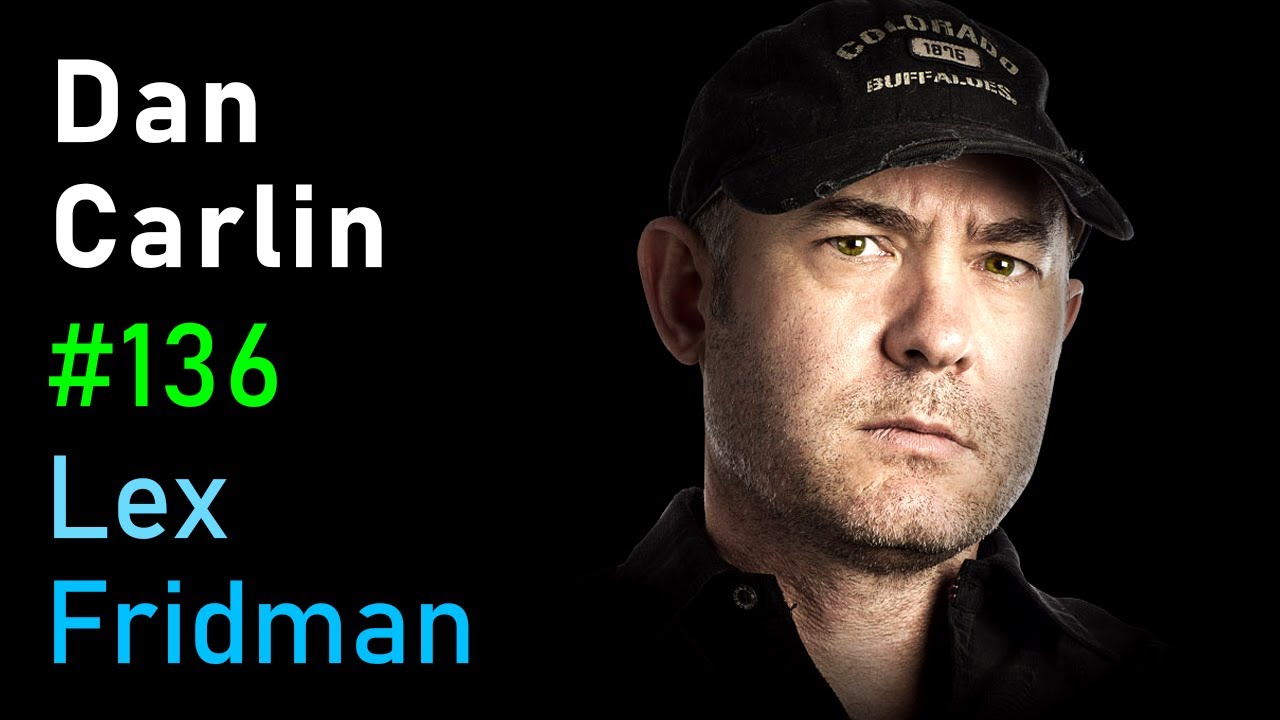
Key Insights
- Dan Carlin argues that historical figures like Stalin believed they were doing good, despite causing suffering.
- The Mongols' military success was largely due to their unique relationship with horses, unlike settled societies.
- Hitler's rise was facilitated by Germany's post-WWI economic turmoil and dissatisfaction with the Weimar Republic.
- The Holocaust weakened Germany by driving away Jewish intellectuals, impacting its technological advancement.
- Carlin suggests that charismatic leaders could inspire global cooperation on climate change.
How the conversation moved
Lex Fridman opens the conversation by questioning Dan Carlin on the nature of evil and historical motivations. Carlin suggests that many historical figures, such as Stalin, believed they were acting for the greater good, despite causing immense suffering. He argues that motivations are crucial in assessing whether someone is truly evil or simply misguided. Carlin introduces the idea that pure evil, defined as intentional suffering, is possible and may even have genetic components, challenging the simplistic view that evil is purely a product of environment or ideology.
Carlin then shifts to discuss the Mongol Empire, highlighting their military success due to a unique relationship with horses, which provided them with a strategic advantage over settled societies. He contrasts this with the leadership of Genghis Khan, whose ability to unite various tribes was key to their dominance. This discussion leads to an exploration of how historical figures are judged differently based on their outcomes and the narratives surrounding them, such as comparing Genghis Khan's conquests to those of Alexander the Great.
The conversation takes a turn as Carlin addresses Hitler's rise to power, facilitated by Germany's post-WWI economic turmoil and dissatisfaction with the Weimar Republic. He discusses how antisemitism became a crucial part of Hitler's ideology, affecting strategic decisions and ultimately weakening Germany by driving away Jewish intellectuals. Lex doesn't challenge Carlin's framing here, though the obvious counter-position would be that other factors, such as military strategy, were more influential in Hitler's initial success.
Finally, Carlin speculates on the role of charismatic leadership in addressing global challenges like climate change. He suggests that leaders with the ability to inspire and unite people could be pivotal in achieving collective action. This leads to a broader discussion on the potential for individuals to effect change in society, drawing parallels with historical figures who have inspired movements. The conversation ends on an optimistic note, considering the possibility of leveraging modern technology and leadership to address existential threats.
Surprising moments
In-depth
Historical Motivations and Evil
- Carlin believes some historical figures, like Stalin, thought they were doing good despite causing suffering.
- The motivations behind actions matter when assessing whether someone is evil or misguided.
- Pure evil, defined as intentional suffering, is possible and may have genetic factors.
Military Strategy and the Mongol Empire
- The Mongols' military success was due to their unique relationship with horses.
- Genghis Khan's leadership was pivotal in uniting tribes and achieving military success.
Hitler's Rise and Antisemitism
- Hitler's rise was aided by Germany's economic turmoil post-WWI.
- Antisemitism became a significant part of Hitler's ideology, impacting strategic decisions.
Climate Change and Leadership
- Carlin suggests charismatic leaders could inspire cooperation on climate change.
- The pandemic showed Earth's potential for rejuvenation with reduced pollution.
Notable Quotes
I think the DNA can get scrambled up in ways.
Still open
- Carlin questions whether charismatic leaders will emerge to inspire global cooperation on climate change.
- The discussion raises the question of how historical narratives shape our understanding of figures like Genghis Khan and Hitler.