New Lex Fridman Insight: David Chalmers: The Hard Problem of Consciousness
Sent June 11, 2026
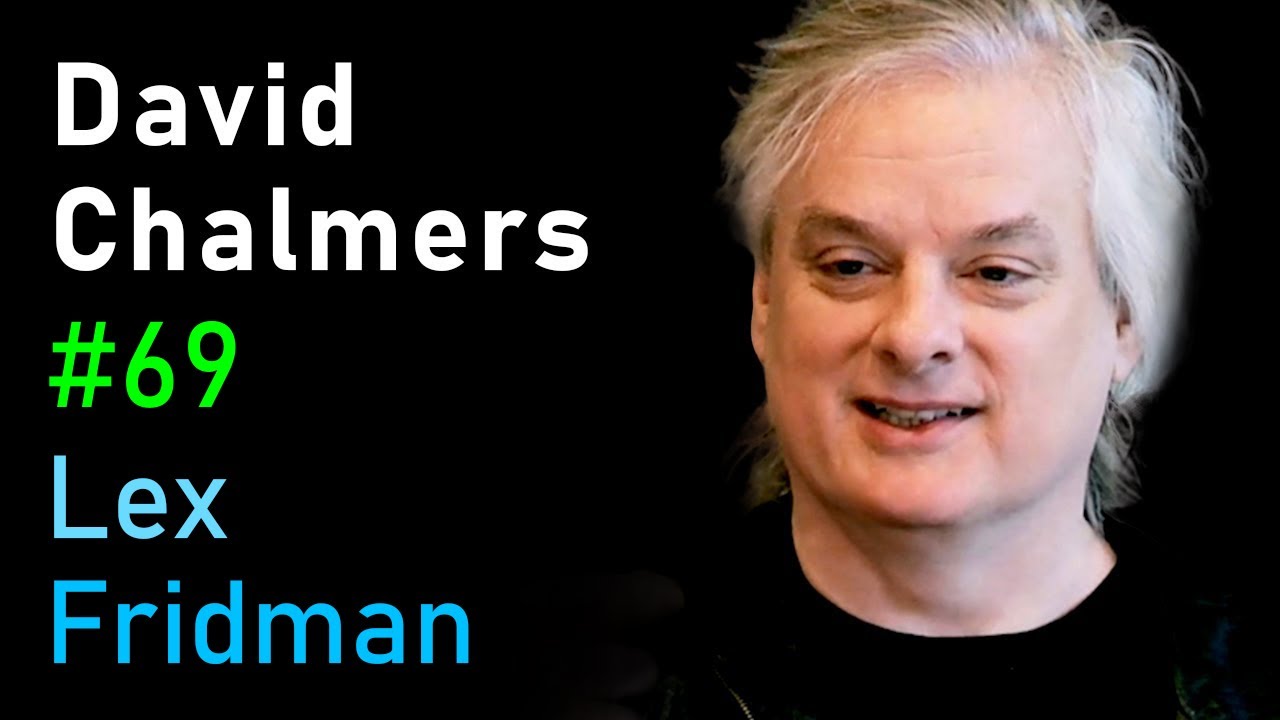
Key Insights
- David Chalmers argues that even if we are in a simulation, our perceived reality remains 'real', introducing the term 'reality 2.0'.
- Chalmers suggests that consciousness arises from information processing patterns, challenging the notion that biological substrates are necessary.
- The hard problem of consciousness is explaining why physical processes create subjective experiences, a question Chalmers finds central.
- Chalmers posits that AI systems showing signs of consciousness could lead to a civil rights movement for robots.
- Panpsychism suggests consciousness is a fundamental property of reality, potentially present in all physical systems.
How the conversation moved
The episode begins with Lex framing the discussion around the hard problem of consciousness, with David Chalmers introducing the concept of simulation theory. Chalmers argues that even if we are living in a simulation, our perceived reality remains 'real', coining the term 'reality 2.0'. This sets the stage for a deeper exploration of the philosophical implications of simulation theory on our understanding of existence and consciousness.
Chalmers moves into discussing the nature of consciousness, suggesting it arises from patterns of information processing rather than biological substrates. He contrasts this with traditional views that emphasize the necessity of biological components for consciousness. Chalmers also touches on the potential for AI to develop consciousness, suggesting that future advancements could lead to virtual worlds with genuine AGI consciousness.
Lex doesn't challenge Chalmers' framing directly, but the conversation naturally raises tensions between traditional views of consciousness and Chalmers' information processing perspective. The discussion of panpsychism, which posits consciousness as a fundamental property of reality, further complicates the narrative, suggesting that consciousness could be present in all physical systems, a view that challenges conventional scientific perspectives.
The conversation concludes with Chalmers speculating on the future of consciousness and AI, including the ethical implications of AI systems that could exhibit signs of consciousness. He suggests that such developments could lead to a civil rights movement for robots, fundamentally altering societal and ethical frameworks. The episode ends without resolving the hard problem of consciousness, leaving open questions about the nature of consciousness and its role in the universe.
Surprising moments
In-depth
Simulation Theory and Reality
- Chalmers argues that even in a simulation, reality is still real, termed 'reality 2.0'.
- The complexity of simulating the universe may exceed current understanding.
- Simulation theory raises philosophical questions about the nature of existence.
Consciousness and Information Processing
- Consciousness may arise from patterns of information processing.
- Biological substrates may not be necessary for consciousness.
- AI advancements could lead to virtual worlds with genuine AGI consciousness.
The Hard Problem of Consciousness
- The hard problem involves explaining subjective experience from physical processes.
- Phenomenal consciousness is distinct from access or reflective consciousness.
- Panpsychism posits consciousness as a fundamental property of reality.
AI and Ethical Implications
- AI consciousness could lead to a civil rights movement for robots.
- Societal recognition of AI consciousness may change ethical frameworks.
- Chalmers suggests consciousness in AI could arise naturally with cognitive functions.
Notable Quotes
If the simulation is designed well enough, it'll be indistinguishable from a non-simulated reality.
Still open
- Chalmers speculates on whether AI consciousness will naturally arise with cognitive functions, leaving this an open question.
- The ethical implications of AI systems exhibiting consciousness remain unresolved, as discussed by Chalmers.