New Lex Fridman Insight: David Sinclair: Extending the Human Lifespan Beyond 100 Years
Sent June 11, 2026
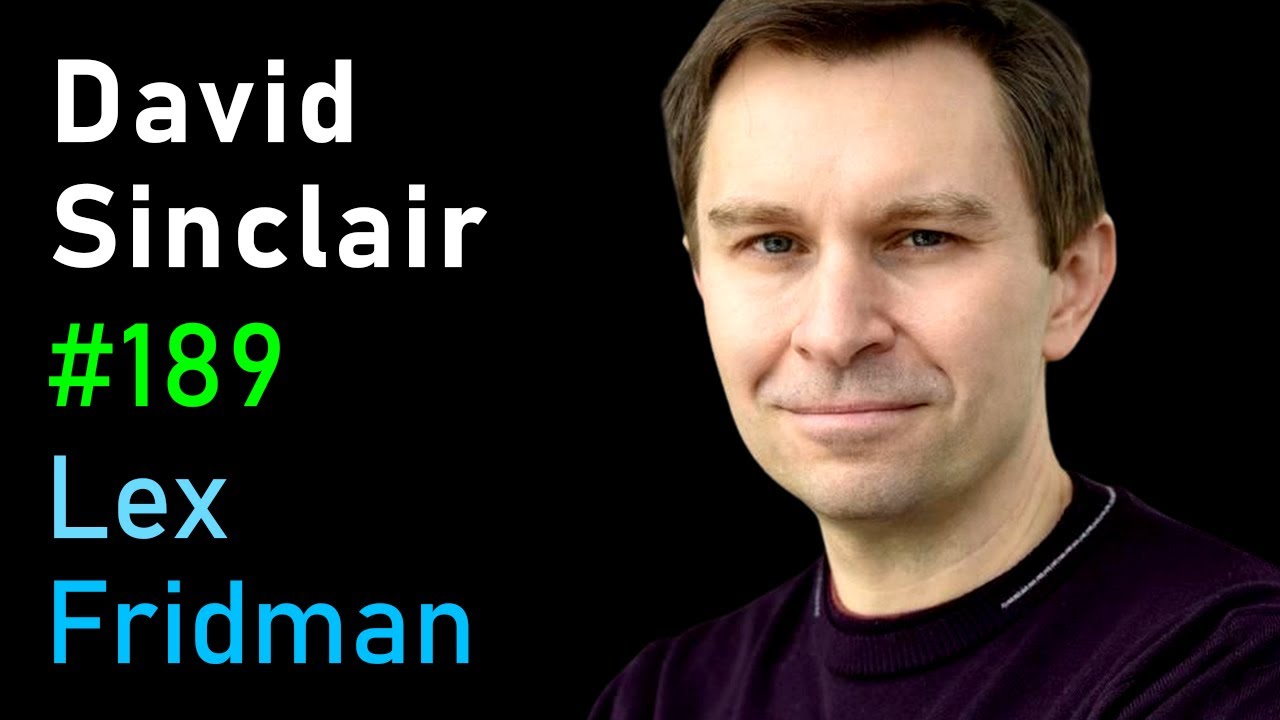
Key Insights
- David Sinclair uses bio wearables and blood tests to maintain a biological age of early 40s despite being 51.
- Bio wearables could detect cancer 10-20 years before tumor formation, revolutionizing early diagnosis.
- InsideTracker's dietary recommendations outperformed leading diabetes drugs in effectiveness.
- Manipulating the hypothalamus and CERT1 gene can significantly impact longevity by altering inflammation and extending lifespan.
- The mTOR mechanism, influenced by diet, can be targeted by drugs like rapamycin to extend lifespan.
How the conversation moved
The episode begins with Lex Fridman introducing David Sinclair and framing the conversation around the potential for extending human lifespan beyond 100 years. Sinclair shares personal anecdotes, particularly about his grandmother's influence, to illustrate the importance of maintaining a youthful perspective. This sets the stage for discussing how merging biology with technology could enhance human life, highlighting the role of bio wearables in early disease detection and health monitoring.
Sinclair argues that advancements in health monitoring technology, such as bio wearables and personalized medicine, are crucial for extending lifespan. He provides concrete evidence, citing InsideTracker's dietary recommendations that outperformed leading diabetes drugs, and mentions his own use of blood tests to maintain a youthful biological age. These examples underscore the potential of technology to revolutionize healthcare by enabling proactive health management.
Despite the compelling arguments, Lex Fridman does not challenge Sinclair's views significantly, though he does express skepticism towards traditional annual checkups, calling them 'medieval medicine.' This lack of pushback leaves some questions about the broader implications of relying heavily on technology for health monitoring, such as data privacy and the accessibility of these innovations to the general public.
The conversation concludes with Sinclair emphasizing lifestyle changes and technological advancements as pathways to achieving a lifespan beyond 100 years. He suggests starting healthy habits early, around age 25, and discusses the potential of genetic interventions, like manipulating the CERT1 gene, to extend lifespan. The discussion leaves open questions about the feasibility of these interventions on a large scale and the societal impacts of significantly extended lifespans.
Surprising moments
In-depth
Bio Wearables and Health Monitoring
- Bio wearables could detect diseases like cancer decades before symptoms appear.
- Sinclair uses personal health data to maintain a youthful biological age.
- InsideTracker's recommendations outperformed drugs for type 2 diabetes.
Genetic and Biological Interventions
- Manipulating the hypothalamus can influence longevity.
- Upregulating CERT1 gene can extend lifespan in animals.
- AI is crucial for advancing biological research and interventions.
Dietary Impacts on Longevity
- The mTOR mechanism is influenced by diet and can be targeted by drugs like rapamycin.
- Fasting and specific diets like Mediterranean and Okinawa can extend lifespan.
Notable Quotes
David, always stay young and innocent and have wonder about the world, and then do your best to make humanity the best it can be.
Still open
- Lex asked about the feasibility of genetic interventions like CERT1 manipulation on a large scale.
- Sinclair wondered about the societal impacts of significantly extended lifespans.