New Lex Fridman Insight: Devon Larratt: Arm Wrestling
Sent June 11, 2026
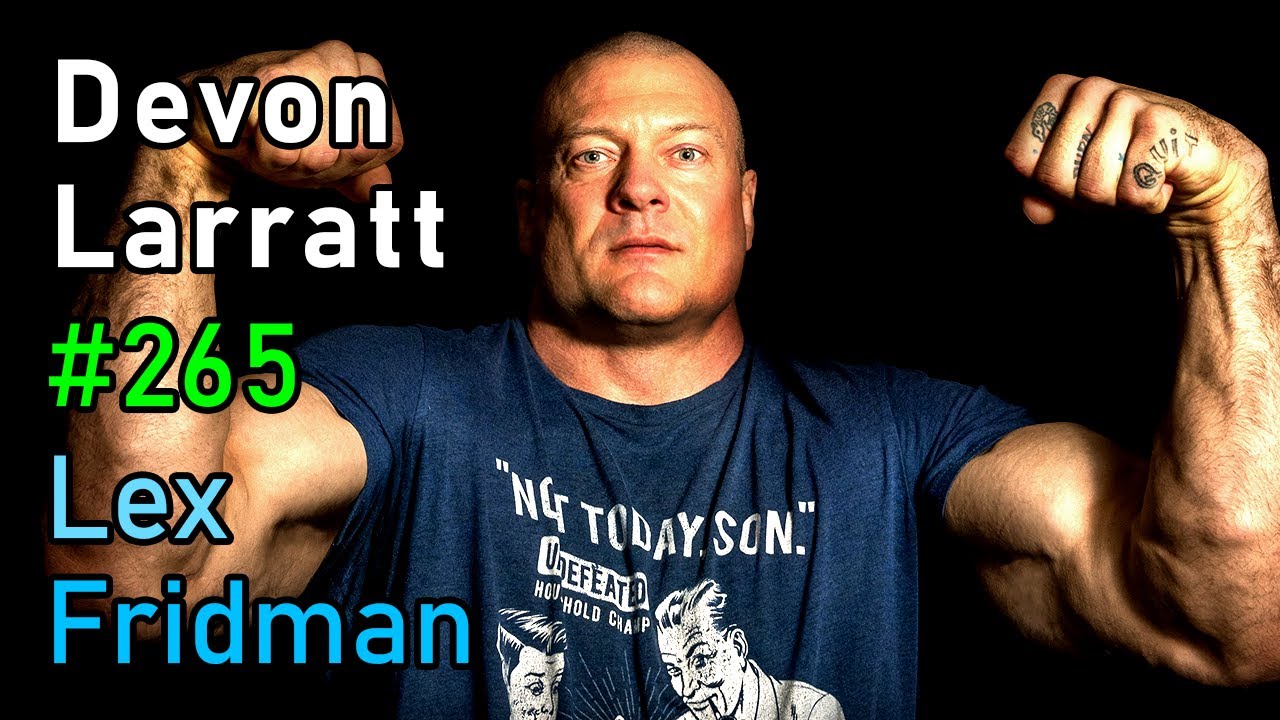
Key Insights
- John Brzenk's 40-year dominance in arm wrestling was pivotal in elevating the sport's profile.
- Devon Larratt emphasizes the importance of arm wrestling-specific strength over general strength training.
- Larratt's training philosophy includes high volume with easier workouts to build a strong foundation.
- Freedom arm wrestling could revolutionize the sport by removing traditional restrictions and enhancing accessibility.
- Larratt believes that integrating AI and robots with society is crucial for their development.
How the conversation moved
The host introduced the episode by framing the central question around the evolution and current state of arm wrestling, highlighting Devon Larratt's role in the sport. Larratt began by discussing the historical impact of John Brzenk, whose 40-year career set a benchmark for arm wrestlers worldwide. He noted how the internet's rise in the late 90s allowed for rapid dissemination of techniques, which significantly improved the skill level of new entrants to the sport. Larratt emphasized that the professionalization of arm wrestling has been further bolstered by major media investments and organized leagues since 2015.
Larratt's main argument centers on the importance of sport-specific strength training over general strength. He elaborated on his training regimen, which includes high-volume, low-intensity workouts designed to build a strong foundation. This approach contrasts with traditional 'no pain, no gain' methods, which he believes are less effective for arm wrestling. Larratt also discussed his preparation for matches, particularly focusing on mental strategies to build up and then strategically diminish opponents in his mind to gain confidence. His training philosophy draws from Russian methodologies, emphasizing 'never fail' and 'always feel good' principles.
Despite the compelling arguments, the host did not offer substantial pushback on Larratt's claims. The conversation lacked explicit challenges to Larratt's training philosophies or his views on the evolution of arm wrestling. However, a potential counter-position could have been the effectiveness of traditional high-intensity training methods, which some athletes still advocate. Additionally, the discussion on freedom arm wrestling as the sport's future could have been met with skepticism about its acceptance among traditionalists.
The conversation concluded with Larratt's reflections on the future of arm wrestling and the integration of AI into society. He expressed optimism about the potential for freedom arm wrestling to revolutionize the sport by removing traditional restrictions, making it more dynamic and accessible. Larratt also shared his views on AI, suggesting that its integration with society is crucial for developing intelligent systems. The episode wrapped up with Larratt's belief in the positive trajectories of AI and its potential to enhance human capabilities, leaving open questions about the broader societal impacts.
Surprising moments
In-depth
Arm Wrestling Evolution
- John Brzenk's career set a high standard for arm wrestlers.
- The internet accelerated the sharing of techniques, improving skill levels.
- Media investments and organized leagues increased the sport's popularity.
Training Philosophy
- Larratt values arm wrestling-specific strength over general strength.
- Volume training with easier workouts builds a strong foundation.
- Russian training emphasizes 'never fail' philosophy, contrasting with North American methods.
Freedom Arm Wrestling
- Freedom arm wrestling removes traditional restrictions, making the sport more dynamic.
- This approach could attract a broader audience and increase participation.
AI and Society
- Larratt believes AI must integrate with society to become intelligent.
- He is optimistic about the positive trajectories of AI development.
Notable Quotes
The entire sport looks up to him. It's incredible what he's done.
Still open
- Larratt pondered whether freedom arm wrestling will gain acceptance among traditionalists in the sport.