New Lex Fridman Insight: Douglas Murray: Putin, Zelenskyy, Trump, Israel, Netanyahu, Hamas & Gaza
Sent May 30, 2026
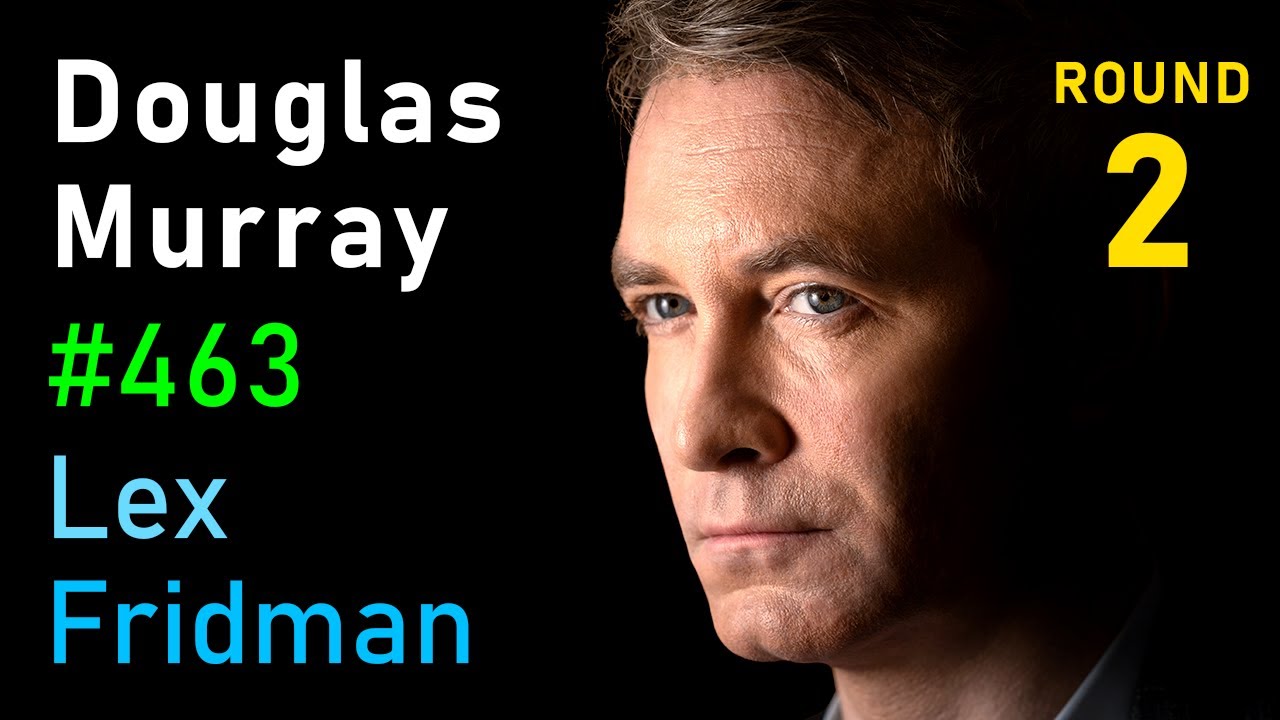
Key Insights
- Douglas Murray argues that Putin's ceasefire proposals are mere strategic pauses for further aggression.
- Murray highlights the kidnapping of 20,000 Ukrainian children by Russian forces as a major humanitarian crisis.
- Murray believes economic partnerships are ineffective deterrents against war, citing historical failures.
- Fridman suggests radical ideas like Russia joining NATO as potential pathways to peace.
- Murray critiques Israeli intelligence for failing to anticipate the October 7th Hamas attack.
How the conversation moved
The episode begins with Douglas Murray sharing his observations from Ukraine, where he witnessed a shift in soldier morale from optimism to exhaustion. He criticizes the U.S. for pressuring Ukraine into premature political deals, which he believes undermined the country's strategic position. Murray also highlights the kidnapping of 20,000 Ukrainian children by Russian forces, a humanitarian crisis that has not received adequate global attention. This sets the stage for a broader discussion on the complexities of the Ukraine conflict and the international community's response.
Murray's main argument centers on the inadequacy of current international strategies to address Russian aggression. He critiques Putin's regime as a dictatorship that uses ceasefire proposals as strategic pauses for further aggression. Murray is skeptical of the realist perspective in foreign policy, which he believes fails to account for the aggressive nature of regimes like Putin's. He also argues that economic partnerships are ineffective deterrents against war, citing historical failures as evidence.
Lex Fridman challenges Murray's skepticism by suggesting that strong economic partnerships could be pathways to peace, even proposing radical ideas like Russia joining NATO. However, Murray pushes back, emphasizing that economic ties are not a significant preventative device against war. He argues that the most crucial aspect of war is winning and losing, rather than negotiations or economic cooperation. This tension highlights differing views on how to achieve lasting peace in conflict zones.
The conversation shifts to the Israeli-Palestinian conflict, where Murray critiques Israeli intelligence for failing to anticipate the October 7th Hamas attack. He outlines the violent ideology of Hamas and the complexities of achieving peace in the region. The discussion also touches on the resurgence of antisemitism and the psychological roots of such biases. The episode concludes with reflections on the experiences of war, noting the clarity and emotional impact it brings, leaving open questions about the effectiveness of current strategies in addressing these multifaceted issues.
Surprising moments
In-depth
Ukraine Conflict
- Murray visited Ukraine during key events, observing a shift in soldier morale.
- He critiques the U.S. for pressuring premature political deals on Ukraine.
- Around 20,000 Ukrainian children have been kidnapped by Russian forces.
Russian Aggression
- Murray argues Putin's ceasefire proposals are strategic pauses for aggression.
- Baltic countries are increasing defense spending due to fears of Russian expansion.
Peace and Economic Partnerships
- Fridman suggests economic partnerships as pathways to peace, like Russia joining NATO.
- Murray argues economic ties are ineffective deterrents against war.
Hamas and Israeli Intelligence
- Murray critiques Israeli intelligence for failing to anticipate Hamas's October 7th attack.
- He highlights the violent ideology and organizational capabilities of Hamas.
Notable Quotes
The idea that cooperation on an economic and other levels is any significant preventative device to madness breaking out is not something I see.
Still open
- Murray questioned the global community's lack of attention to the kidnapping of Ukrainian children, asking why it hasn't gained more traction.
- Fridman wondered whether radical ideas like Russia joining NATO could realistically lead to peace.