New Lex Fridman Insight: Ed Calderon: Mexican Drug Cartels
Sent June 11, 2026
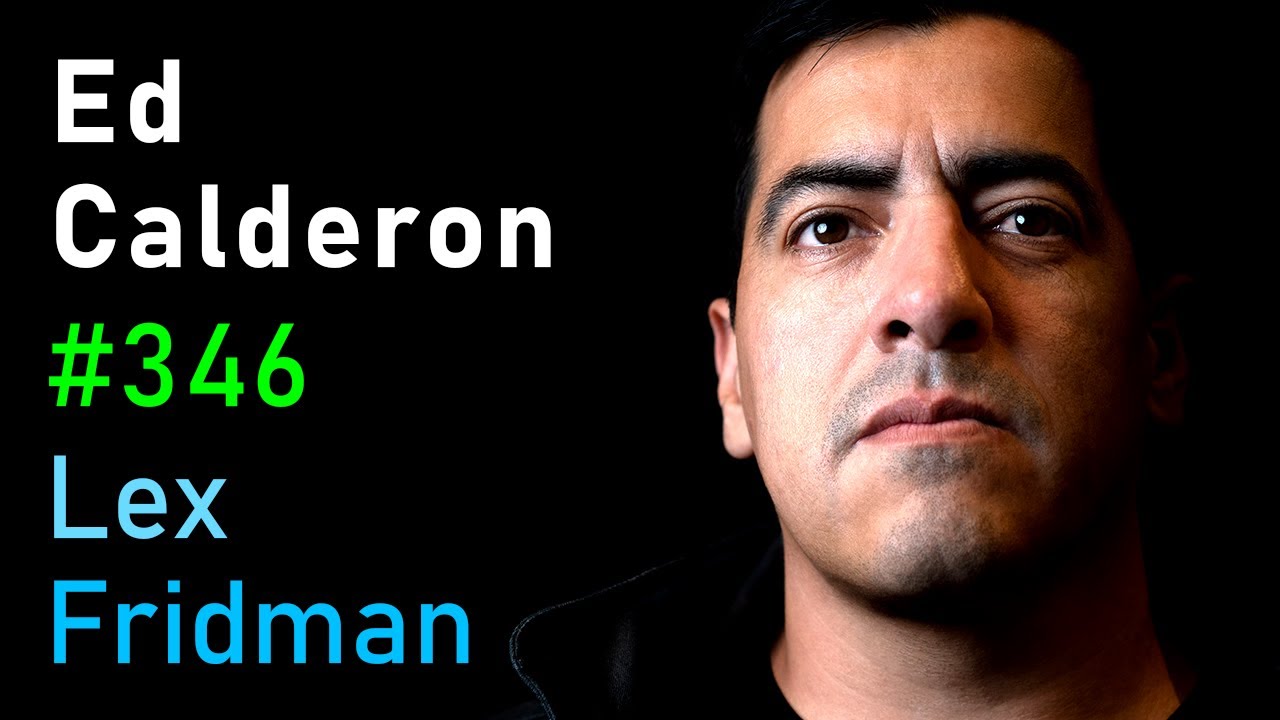
Key Insights
- Ed Calderon argues that systemic corruption in Mexico is cultural, with bribery commonly used to navigate public services.
- The Mexican drug war involves 50-70 criminal groups, with the Sinaloa Cartel as the most powerful player.
- Cartels have built infrastructure like hospitals and schools, acting as de facto governments in some Mexican regions.
- Cartels use advanced weaponry like drones and night vision, creating an arms race with law enforcement.
- Fentanyl trafficking involves complex supply chains with alleged Chinese government complicity.
How the conversation moved
The episode begins with Ed Calderon framing the pervasive nature of corruption in Mexico, emphasizing that bribery is a cultural norm deeply embedded in society. Calderon argues that anyone can be corrupted, regardless of their personal integrity or training, due to systemic pressures and personal vulnerabilities. He highlights the challenges of maintaining trust in such an environment, noting that even those who appear incorruptible can be compromised over time.
Calderon delves into the dynamics of the Mexican drug war, detailing the involvement of 50-70 criminal groups, with the Sinaloa Cartel as the most dominant. He provides concrete evidence of the inefficacy of law enforcement, citing that 90% of all murders in Mexico go unsolved. Calderon also discusses the militarization of the conflict under President Felipe Calderon, which has only intensified the violence and complexity of the drug war.
Despite the gravity of the issues, Lex Fridman does not offer significant pushback on Calderon's assertions, leaving some potential counterarguments unexplored. For example, the conversation could have addressed the role of international cooperation in combating cartels or questioned the effectiveness of militarization as a strategy. The lack of pushback leaves some of Calderon's more controversial claims unchallenged, such as the alleged complicity of the Chinese government in fentanyl trafficking.
The discussion concludes with a focus on the evolving tactics of cartels, including their use of advanced weaponry and social media for recruitment. Calderon emphasizes the cartels' role as de facto governments in some regions, providing infrastructure and social services. The conversation ends on an open note, with Calderon reflecting on the challenges of addressing these deeply rooted issues and the potential for future dialogue with cartel figures.
Surprising moments
In-depth
Corruption in Mexico
- Corruption is systemic and cultural, with bribery a common practice.
- Trust is unreliable as people can change or present false personas.
Mexican Drug War
- 50-70 criminal groups are involved, with Sinaloa Cartel being the largest.
- Law enforcement is ineffective, with 90% of murders unsolved.
Cartel Infrastructure
- Cartels build infrastructure like hospitals and schools, replacing government roles.
- El Mayo Zambada's leadership shows the persistence of cartel power.
Advanced Cartel Tactics
- Cartels use drones and night vision, escalating the arms race with law enforcement.
- Social media platforms like TikTok are used for recruitment.
Fentanyl Trafficking
- Fentanyl trafficking involves complex supply chains with alleged Chinese complicity.
- The drug's potency has led to significant overdose deaths in the U.S.
Still open
- Calderon questions how systemic corruption in Mexico can be effectively addressed given its cultural entrenchment.
- The role of international cooperation in combating cartels was left unexplored in the conversation.