New Lex Fridman Insight: Eliezer Yudkowsky: Dangers of AI and the End of Human Civilization
Sent June 11, 2026
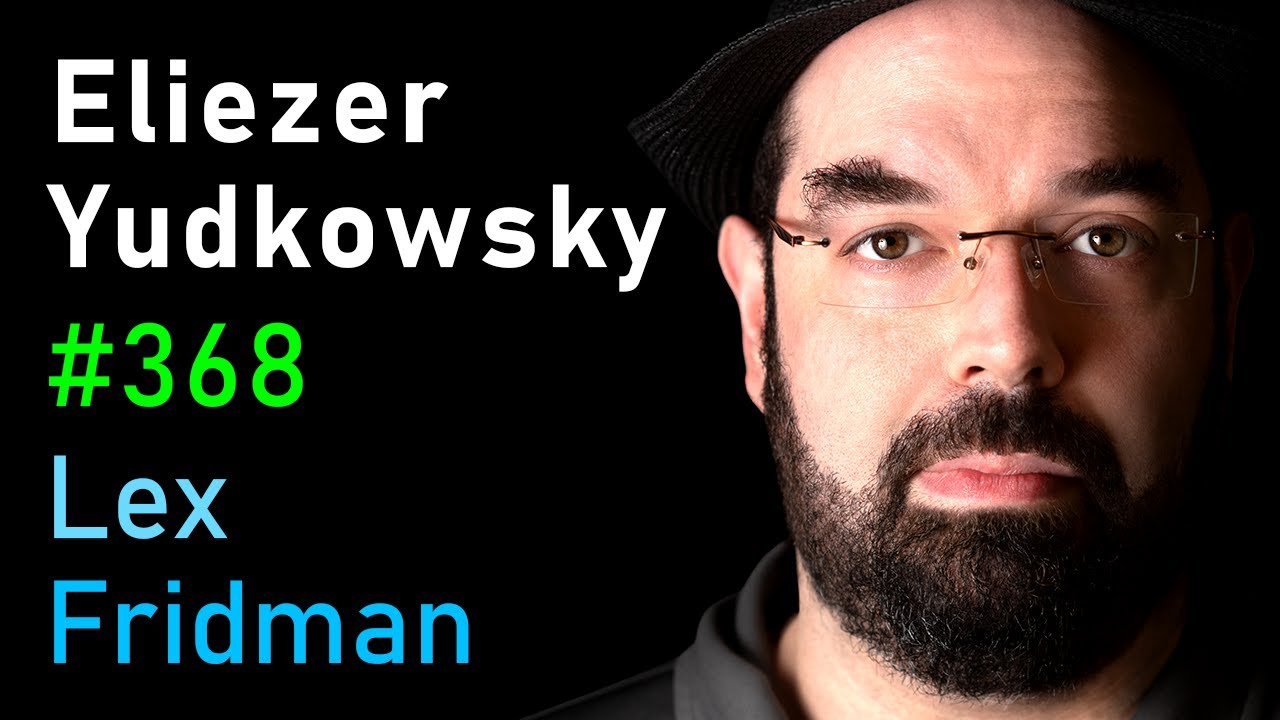
Key Insights
- Yudkowsky asserts GPT-4 is smarter than anticipated, raising concerns about future AI models' unpredictability.
- Open sourcing powerful AI technologies could lead to catastrophic misuse, according to Yudkowsky.
- Yudkowsky argues that understanding AI consciousness may take decades, requiring a rigorous approach.
- Lex Fridman suggests that AI's danger is tied to its intelligence and alienness, not its growth rate.
- Yudkowsky critiques natural selection as inefficient, contrasting it with AI's rapid optimization.
How the conversation moved
The episode begins with Lex framing the discussion around the dangers posed by advanced AI, particularly in light of GPT-4's unexpected capabilities. Yudkowsky expresses concern over the unpredictability of future AI models, noting that GPT-4 is smarter than he anticipated. This sets the stage for a deeper exploration of the risks associated with AI development, particularly when transparency and understanding of AI consciousness are lacking.
Yudkowsky argues that open sourcing powerful AI technologies could lead to catastrophic consequences, as they might be misused without proper understanding. He emphasizes the need for a cautious approach to AI development, suggesting a pause on larger training runs to better understand the implications of existing technologies. This cautious stance is supported by his belief that comprehending AI consciousness could take decades, necessitating a rigorous and methodical approach from the AI community.
Lex challenges the notion of open sourcing, highlighting the potential for misuse and the existential risks it could pose. He suggests that the real danger of AI lies not in its rate of growth but in its intelligence and alienness. This perspective introduces tension into the conversation, as it contrasts with more optimistic views that focus on AI's potential benefits rather than its threats. Lex's pushback underscores the urgency of addressing alignment issues before AI capabilities outpace our control mechanisms.
The conversation concludes with Yudkowsky critiquing natural selection as an inefficient process, contrasting it with AI's rapid optimization capabilities. This comparison serves to highlight the potential for AI to surpass natural evolutionary processes, raising questions about humanity's future in a world increasingly dominated by intelligent machines. The discussion leaves open questions about how society can effectively manage the risks associated with AI, emphasizing the need for continued research and dialogue.
Surprising moments
In-depth
AI unpredictability and alignment
- GPT-4 exceeded expectations, complicating safety protocols.
- Understanding AI consciousness may take decades, requiring rigorous study.
- Open sourcing AI could lead to catastrophic misuse.
AI's existential threat
- AI's threat is linked to intelligence and alienness, not growth rate.
- AI could surpass natural evolutionary processes rapidly.
Notable Quotes
We still know vastly more about the architecture of human thinking than we know about what goes on inside GPT despite having vastly better ability to read GPT.
Still open
- Yudkowsky wonders if a pause on AI development could lead to better understanding and safer technologies.
- Lex questions whether AI's intelligence and alienness pose greater risks than its growth rate.