New Lex Fridman Insight: Elon Musk: Neuralink and the Future of Humanity
Sent May 30, 2026
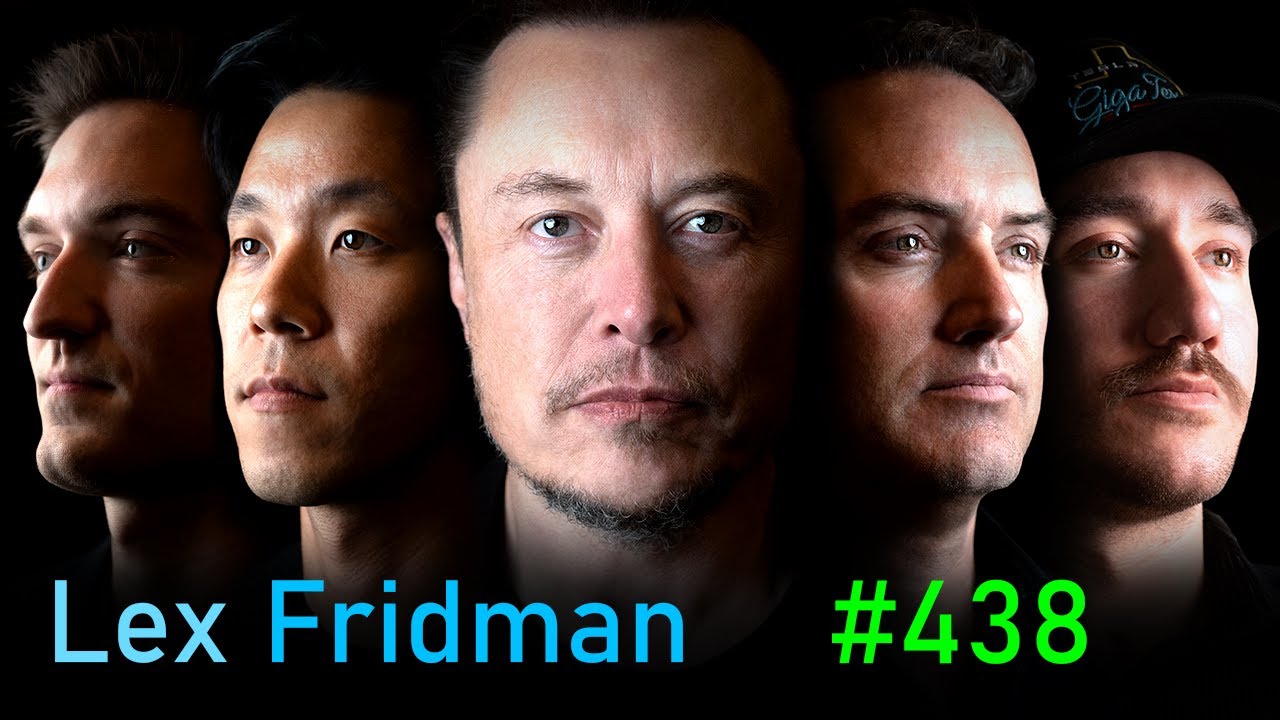
Key Insights
- Neuralink aims to implant 10 devices by year-end, with each providing 400 electrodes to boost communication speed to 10,000 bits per second.
- Musk predicts humanoid robots like Optimus could be produced at over a billion units annually, surpassing vehicle production.
- Neuralink's N1 implant features 1,024 electrodes for neural signal recording and stimulation, transmitting data wirelessly via Bluetooth.
- Neuralink's surgical robot uses a multi-axis gantry system for precise electrode placement, reducing surgery time to 2-4 hours.
- Noland Arbaugh, the first Neuralink implant recipient, achieved 8.5 BPS in a BCI task, nearly doubling the previous human record.
How the conversation moved
The conversation began with Musk framing Neuralink as a revolutionary technology that could dramatically enhance human communication. He outlined ambitious goals for Neuralink, including implanting 10 devices by the end of the year and achieving communication speeds of 10,000 bits per second, vastly surpassing current human capabilities. Musk's vision extends to using Neuralink to address neurological issues and enhance human abilities, such as restoring vision and enabling communication for quadriplegics.
Musk's main argument centered on the transformative potential of Neuralink and humanoid robots. He provided concrete evidence, such as the successful implantation of Neuralink devices and the development of humanoid robots like Optimus, which he predicts could be produced at a billion units annually. These advancements, Musk argued, could revolutionize industries by replacing human labor with robots and enhancing human capabilities through brain-computer interfaces.
Despite Musk's optimistic outlook, there was little direct pushback from the host. However, the conversation did touch on potential obstacles, such as the complexity of scaling Neuralink's production and ensuring the safety and efficacy of brain-computer interfaces. While the host did not challenge Musk's claims directly, the discussion implicitly acknowledged the significant engineering and regulatory hurdles that Neuralink must overcome to realize its vision.
The episode concluded with a focus on the human element, featuring Noland Arbaugh, the first Neuralink implant recipient, who shared his experiences and achievements with the technology. Arbaugh's story highlighted the real-world impact of Neuralink, showcasing its potential to enhance human-computer interaction for individuals with disabilities. The conversation left open questions about the broader societal implications of widespread Neuralink adoption and the ethical considerations of such transformative technologies.
Surprising moments
In-depth
Neuralink's Technological Advancements
- Neuralink aims to implant 10 devices by year-end, enhancing communication speed to 10,000 bits per second.
- The N1 implant features 1,024 electrodes, transmitting data wirelessly via Bluetooth.
- Neuralink's surgical robot uses a multi-axis gantry system for precise electrode placement.
Humanoid Robots and Economic Impact
- Musk predicts humanoid robots could be produced at over a billion units annually.
- Such mass production could transform industries by replacing human labor with robots.
Noland Arbaugh's Experience with Neuralink
- Arbaugh, the first Neuralink implant recipient, achieved 8.5 BPS in a BCI task.
- His performance highlights Neuralink's potential to enhance human-computer interaction.
Notable Quotes
If you’re anywhere at 10,000 bits per second, that’s vastly faster than any human can communicate right now.
Still open
- What are the long-term societal implications of widespread Neuralink adoption?
- How will Neuralink address the ethical considerations of brain-computer interfaces?