New Lex Fridman Insight: Elon Musk: Tesla Autopilot
Sent June 11, 2026
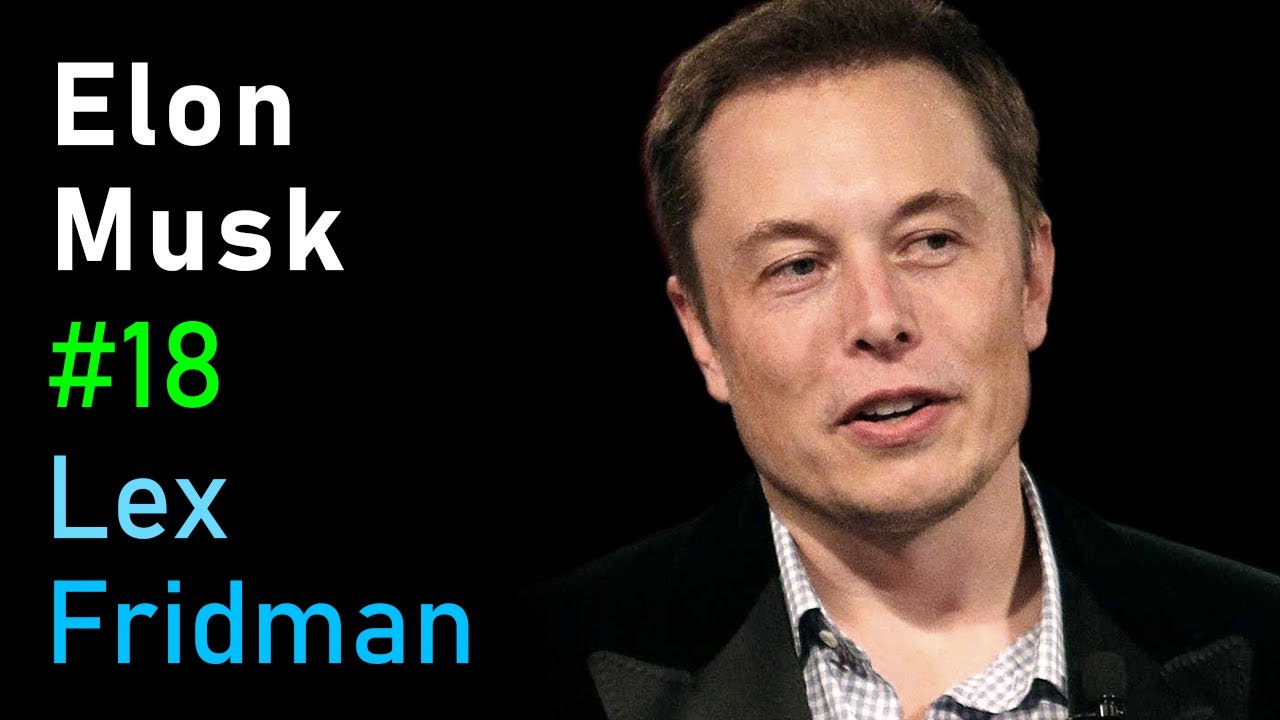
Key Insights
- Tesla's full self-driving computer processes 10x more than NVIDIA's current system, enhancing autonomy capabilities.
- Musk claims Tesla cars are appreciating assets, predicting autonomous cars will be 5-10x more valuable long-term.
- Tesla's full self-driving may need human supervision for 6 months, proving it's 200-300% safer than human drivers.
- Musk argues that human intervention in a reliable system could decrease safety, similar to outdated elevator operators.
How the conversation moved
The conversation opens with Elon Musk detailing Tesla's vision for autonomy, emphasizing the technological advancements in their full self-driving computer. Musk highlights that Tesla's system processes significantly more data than the current NVIDIA systems, which is pivotal for achieving full autonomy. He outlines the scale of Tesla's data collection, with 400,000 cars equipped with sensors, representing the vast majority of data available for AI training. This sets the stage for Musk's argument that autonomous vehicles will fundamentally change the automotive landscape.
Musk argues that Tesla vehicles are not just cars but appreciating assets due to their autonomous capabilities. He predicts that in the long term, autonomous cars will be five to ten times more valuable than non-autonomous ones, redefining vehicle valuation. Musk's claim challenges conventional wisdom about vehicle depreciation, suggesting that Tesla's technological edge could lead to a paradigm shift in how cars are perceived economically. This assertion is backed by Tesla's significant data advantage and the potential for autonomy to revolutionize transport.
The host does not explicitly challenge Musk's claims, but the discussion naturally leads to the critical issue of safety and human oversight. Musk acknowledges that Tesla's full self-driving will require human supervision for at least six months, needing to prove it is substantially safer than human drivers before removing monitoring. This highlights the regulatory and public perception challenges Tesla faces, as Musk notes the disproportionate media attention on Tesla-related incidents compared to overall automotive fatalities.
The conversation concludes with Musk's provocative stance on human intervention in reliable systems. He argues that requiring human oversight in a highly reliable autonomous system could actually decrease safety, drawing an analogy to the historical use of elevator operators. This perspective suggests a shift in safety paradigms, questioning the necessity of human intervention in advanced systems. The discussion leaves open questions about the balance between technological reliability and human oversight, particularly in the context of regulatory scrutiny.
Surprising moments
In-depth
Tesla's Autonomy Vision
- Tesla's full self-driving computer can process significantly more data than current systems.
- 400,000 Tesla cars are equipped with sensors for AI training, representing 99% of available data.
- Autonomous cars are predicted to be worth 5-10 times more than non-autonomous cars.
Safety and Human Oversight
- Tesla's full self-driving may require human supervision for at least 6 months.
- The system must prove it's 200-300% safer than human drivers before removing monitoring.
- Human intervention in a reliable system could decrease safety, according to Musk.
Notable Quotes
If we did not participate in the autonomy revolution, then our cars would not be useful to people relative to cars that are autonomous.
Still open
- Musk questions the necessity of human intervention in highly reliable systems, leaving open how regulators will balance safety and autonomy.