New Lex Fridman Insight: Eric Weinstein: Difficult Conversations, Freedom of Speech, and Physics
Sent June 11, 2026
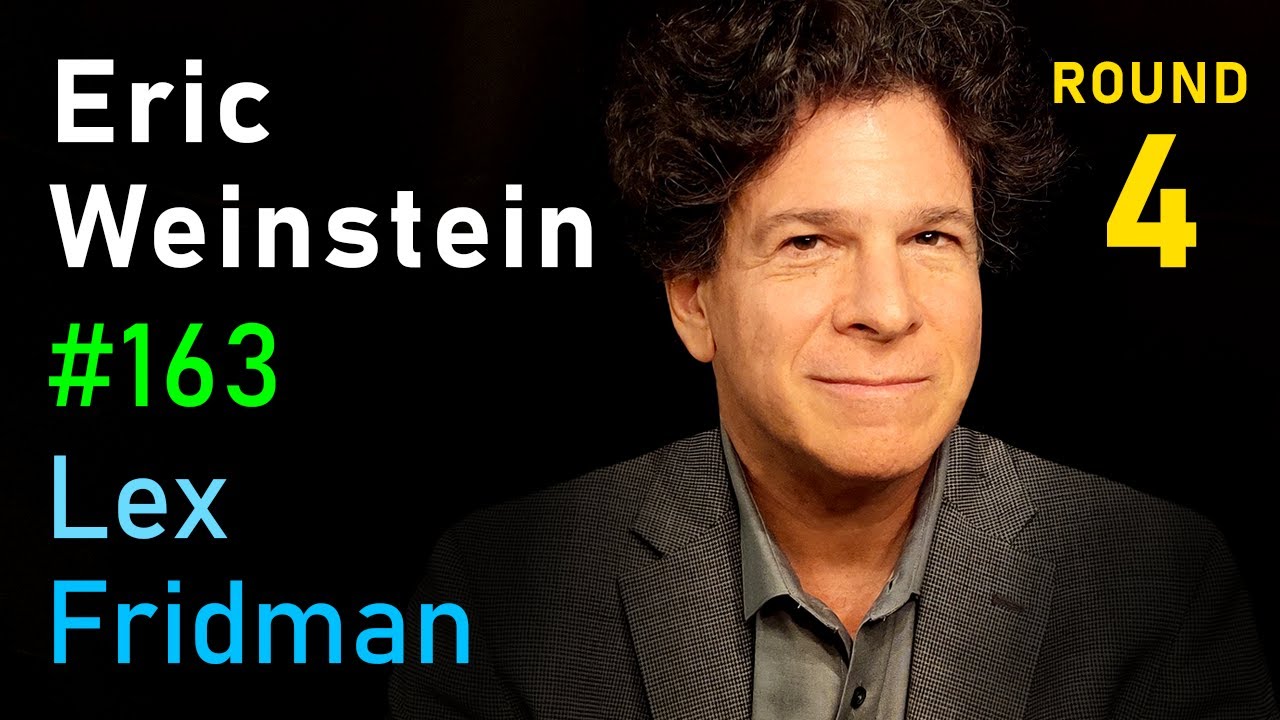
Key Insights
- Eric Weinstein suggests that the simulation hypothesis is replacing traditional religious beliefs, acting as a modern form of escapism.
- Weinstein argues that the US government's contradictory objectives in military and science have led to a decay in coherence since 1945.
- He criticizes the current economic indices, proposing that gauge theory should inform economic models to better capture dynamics.
- Weinstein claims that the Intellectual Dark Web challenges social norms but its utility and existence are debated.
- He asserts that academic freedom is compromised by funding constraints and peer review, limiting innovation.
How the conversation moved
The conversation opens with Eric Weinstein discussing the implications of extraterrestrial life and the limitations of current scientific frameworks. He suggests that speculation about extraterrestrial life often serves as escapism during difficult times, and introduces the idea of worlds with more than one temporal dimension to break conventional thinking about physics. This sets the stage for a broader critique of how societal and scientific norms can limit our understanding and imagination.
Weinstein then shifts to discuss the complexities of government coherence and the influence of figures like Jeffrey Epstein on science funding. He argues that the US government's contradictory objectives between military and science have led to a lack of coherent communication among its branches, particularly noted since 1945. This incoherence, he suggests, affects the functionality and effectiveness of government policies and scientific progress, highlighting a systemic issue in how public goods are funded and supported.
The discussion moves to the Intellectual Dark Web (IDW) and public discourse, where Weinstein challenges the norms and limitations imposed by traditional media and societal expectations. He debates the utility and existence of the IDW, questioning whether it truly serves to enhance public discourse or merely complicates it. Lex Fridman, however, does not provide significant pushback on Weinstein's claims, leaving the tension primarily in Weinstein's critique of the IDW's role.
Finally, the conversation explores the erosion of academic freedom and the implications of civil disobedience in addressing systemic issues. Weinstein criticizes the current model of education and innovation, arguing that academic freedom has been compromised by peer review and funding constraints. He suggests that civil disobedience may be necessary to combat these systemic issues, framing it as a response to the limitations imposed by existing structures. This leaves open questions about the future of academic freedom and innovation.
Surprising moments
In-depth
Extraterrestrial Life and Scientific Frameworks
- Weinstein argues that speculation about extraterrestrial life serves as escapism.
- He suggests the simulation hypothesis is replacing traditional religious beliefs.
- Weinstein introduces worlds with more than one temporal dimension to break conventional thinking.
Government Coherence and Science Funding
- The US government has contradictory objectives between military and science.
- Figures like Jeffrey Epstein influence science funding due to system failures.
- Government coherence has decayed since 1945, affecting functionality.
Economic Models and Free Speech
- Weinstein critiques traditional economic indices, proposing gauge theory for better models.
- The banning of Parler from AWS is seen as a free speech violation.
- Freedom of speech in the digital age requires reevaluation.
Notable Quotes
I worry about, for example, the simulation hypothesis is taking over from religion.
Still open
- Eric Weinstein questions whether the Intellectual Dark Web truly enhances public discourse or complicates it.
- Lex Fridman questions the concept of 'FU money' and its implications for personal freedom and responsibility.