New Lex Fridman Insight: Eric Weinstein: Geometric Unity and the Call for New Ideas & Institutions
Sent June 11, 2026
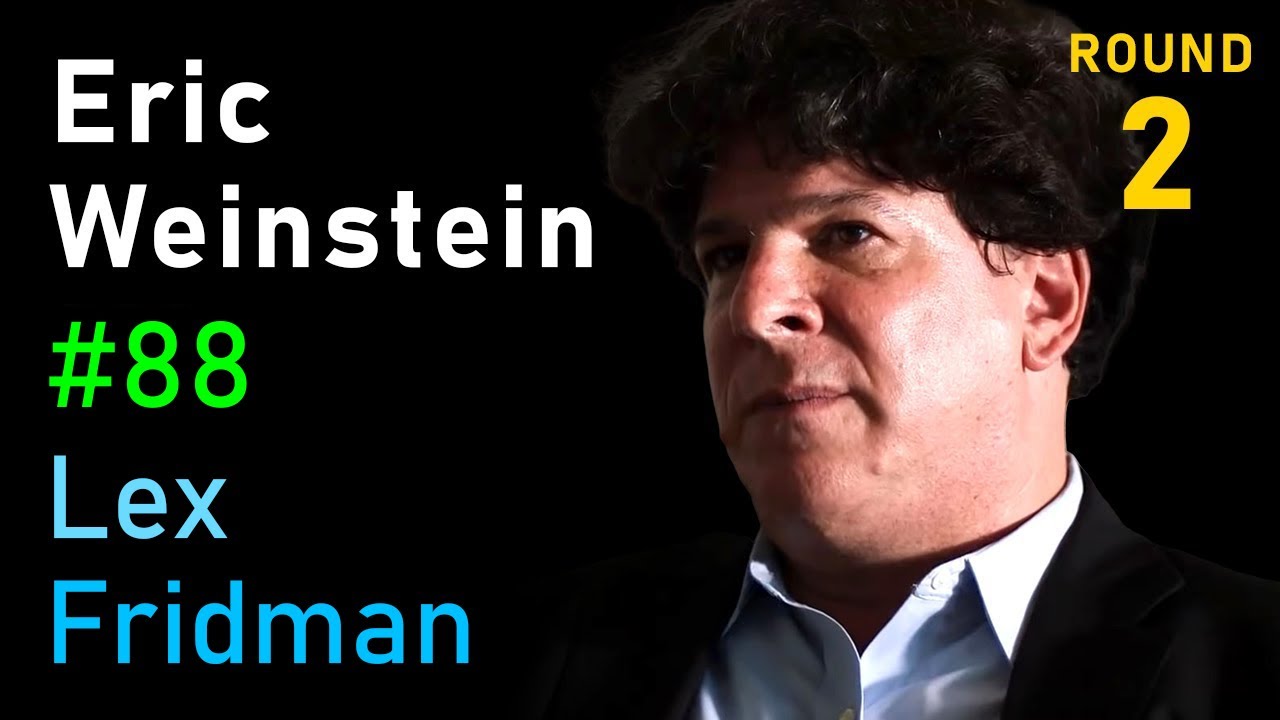
Key Insights
- Eric Weinstein argues that the current system of academic leadership is failing and needs a radical overhaul.
- Weinstein's 'Geometric Unity' aims to unify physics by starting from a 'mathematical nothing.'
- The concept of 'institutional betrayal' highlights the psychological impact of institutions failing their members.
- Weinstein criticizes the lack of innovative thinkers in today's institutions, comparing it to past eras of scientific brilliance.
How the conversation moved
Lex Fridman opens the conversation by framing the current pandemic as a catalyst for societal transformation, drawing parallels with historical crises. Eric Weinstein expands on this by describing the last 75 years as a 'great nap,' a period lacking deep global tragedy despite underlying tensions like the hydrogen bomb. He suggests that the current crisis could awaken a sense of national identity and collective responsibility, potentially leading to significant societal changes.
Weinstein's main argument revolves around the need for new ideas and institutions, particularly in the realm of physics and academia. He introduces 'Geometric Unity,' a theory he has developed over 30 years, which aims to unify physics by starting from a 'mathematical nothing.' This approach seeks to integrate concepts from general relativity and the standard model, offering a fresh perspective on the theory of everything. Weinstein also critiques the current academic leadership, arguing that it stifles innovation and progress.
While Lex doesn't challenge Weinstein's framing of 'Geometric Unity,' he does probe the practicality of such a radical overhaul in academia. Weinstein contends that the current system is failing due to a leadership class that prioritizes self-preservation over innovation. He suggests that institutions need a 'neutron bomb' approach, removing the unworkable leadership while preserving the structures. Lex questions whether such drastic measures are feasible, but Weinstein remains firm in his belief that change is necessary.
The conversation concludes with Weinstein reflecting on the concept of 'institutional betrayal,' highlighting the psychological impact of institutions failing their members. He calls for accountability and generational change, emphasizing the need for innovative thinkers like Elon Musk to inspire new directions. While some questions remain about the feasibility of his proposals, Weinstein's critique of the current system and his call for new ideas resonate as a call to action for listeners.
Surprising moments
In-depth
Geometric Unity
- Weinstein's theory aims to unify physics by starting from a 'mathematical nothing.'
- The theory seeks to integrate concepts from general relativity and the standard model.
Academic Leadership and Reform
- Weinstein argues that the current academic leadership is failing.
- He suggests a radical overhaul to save institutions from decline.
Institutional Betrayal
- The concept highlights the psychological impact of institutions failing their members.
- Weinstein calls for accountability and generational change within institutions.
Notable Quotes
When you call it the great nap, meaning lack of deep global tragedy, well, lack of realized global tragedy.
Still open
- Weinstein questions whether the current academic system can truly reform without a radical overhaul.