New Lex Fridman Insight: Eric Weinstein: On the Nature of Good and Evil, Genius and Madness
Sent June 11, 2026
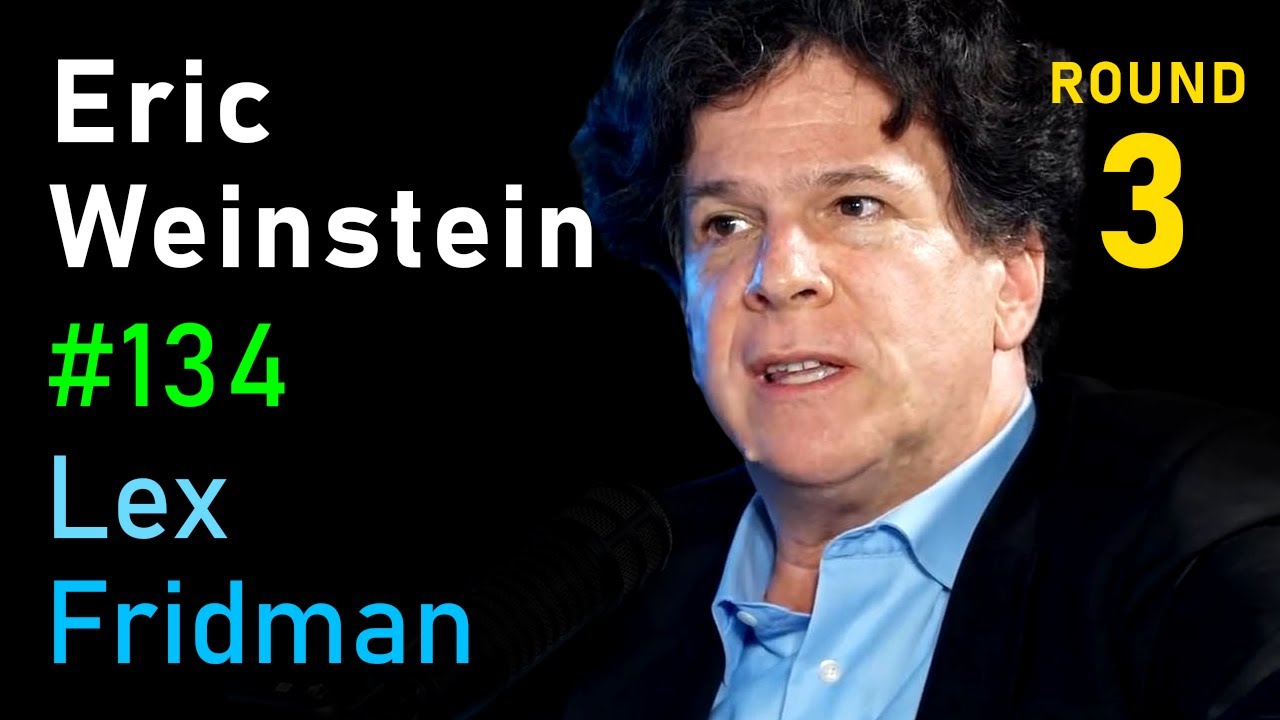
Key Insights
- Eric Weinstein argues that the current political leadership is unsalvageable, advocating for younger and more competent leaders.
- Weinstein claims cancel culture is used to control influential individuals, citing examples like Joey Diaz and Brian Callan.
- The silence around Jeffrey Epstein's actions at MIT is seen as a societal weakness rather than a conspiracy.
- Weinstein believes the renormalization revolution in physics was catastrophically misinterpreted by the physics community.
- Weinstein suggests that the current societal upheaval is a 'no name revolution' rather than a civil war.
How the conversation moved
The episode begins with Eric Weinstein reflecting on the legacy of Eddie Van Halen, using it as a springboard to discuss broader themes of innovation and emotional connection in music. Weinstein draws parallels between Van Halen's musical innovations and those in other fields, like skateboarding, to illustrate the concept of discontinuous innovation. This sets the stage for a broader discussion on the nature of genius and the societal structures that support or hinder it.
Weinstein then shifts to critique the current political landscape, arguing that both major parties are failing to provide competent leadership. He emphasizes the need for younger leaders and new platforms to foster meaningful dialogue. This critique extends to societal mechanisms like cancel culture, which he claims are used to control influential figures, stifling innovation and free speech. The conversation touches on Joe Rogan's influence as a counterexample to traditional media narratives.
Lex Fridman challenges Weinstein's views on the potential for current leaders to adapt with better platforms, suggesting that the issue may not be the individuals but the systems they operate within. Weinstein counters by highlighting the systemic nature of reputational attacks and institutional failures, using Jeffrey Epstein's case at MIT as an example of societal weaknesses. This tension underscores the complexity of navigating personal beliefs amidst divisive political climates.
The episode concludes with Weinstein's reflections on scientific revolutions and the misinterpretations that can hinder progress. He critiques the physics community's handling of the renormalization revolution and shares his experiences with geometric unity. The conversation broadens to discuss the current societal upheaval, which Weinstein frames as a 'no name revolution' rather than a civil war, suggesting a more nuanced understanding of societal change. This framing leaves open questions about the future direction of societal and scientific progress.
Surprising moments
In-depth
Political Leadership
- Weinstein argues for younger, more competent leadership.
- Critiques the current political landscape as unsalvageable.
- Advocates for new platforms to foster dialogue.
Cancel Culture and Media Influence
- Cancel culture is used to control influential individuals.
- Joe Rogan's podcast challenges conventional media wisdom.
Institutional Failures and Evil
- Epstein's actions at MIT highlight institutional weaknesses.
- The silence around Epstein is seen as societal weakness.
Scientific Revolutions and Misinterpretations
- Renormalization revolution was misinterpreted by the physics community.
- Weinstein's geometric unity video received mixed reactions.
Societal Upheaval and Revolution
- Current societal issues are framed as a 'no name revolution'.
- History rhymes rather than repeats, influencing societal change.
Notable Quotes
It's painful to look at an Eddie Van Halen solo now.
Still open
- Lex asked whether the silence around Epstein was a sign of societal weakness or indicative of a conspiracy.
- Weinstein questioned how the current political landscape could foster new leadership amidst entrenched systems.