New Lex Fridman Insight: Eric Weinstein: Revolutionary Ideas in Science, Math, and Society
Sent June 11, 2026
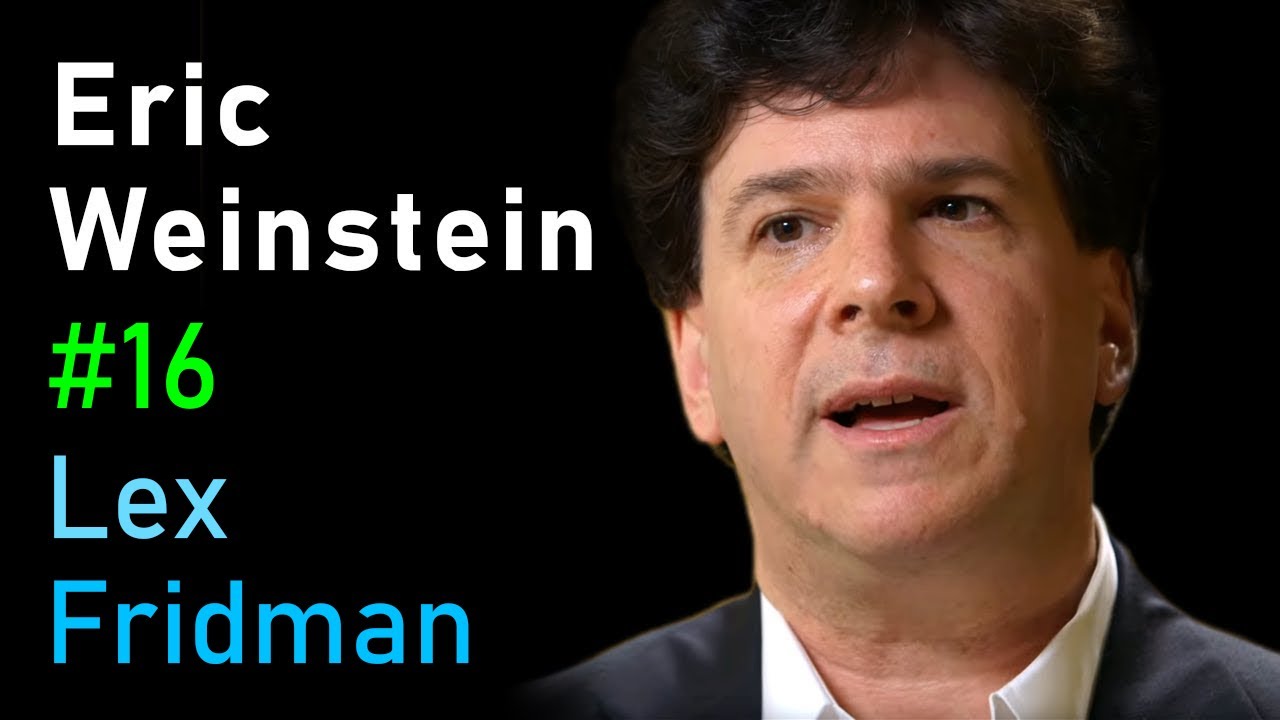
Key Insights
- Eric Weinstein argues that artificial life, created through software, already poses a threat without reaching general intelligence.
- Weinstein suggests that the aging academic population, particularly in theoretical physics, stifles innovation and clings to outdated ideas.
- AI algorithms on social media prioritize engagement over meaningful discourse, potentially leading to societal manipulation.
- Theoretical physics, despite its past contributions, faces neglect in funding and interdisciplinary communication.
- Weinstein believes capitalism's failure to address individual dignity may lead to social unrest.
How the conversation moved
The host introduces the episode by framing it around revolutionary ideas in science, math, and society, setting the stage for Eric Weinstein's exploration of these themes. Weinstein begins by discussing the influence of Tom Lehrer on his thinking, particularly highlighting Lehrer's ability to challenge conventional wisdom through humor. This sets up Weinstein's broader argument about the importance of questioning established norms in various fields, including science and technology.
Weinstein's main argument centers on the idea that artificial life, created through software, already poses a significant threat without needing to reach artificial general intelligence. He supports this claim by pointing out that software systems can replicate and evolve, drawing parallels to biological systems. Weinstein also critiques the current state of academia, particularly in theoretical physics, where he argues that an aging population is stifling innovation and clinging to outdated ideas, such as string theory.
Lex doesn't challenge Weinstein's framing of artificial life as an immediate threat, though the obvious counter-position would be that these systems lack the autonomy and intent of biological organisms. The conversation also touches on the potential societal manipulation by AI algorithms on social media, which Weinstein argues prioritize engagement over meaningful discourse. This point raises questions about the ethical responsibilities of tech companies in shaping public discourse.
The conversation concludes with a reflection on capitalism and its failure to address individual dignity, which Weinstein believes could lead to social unrest. He emphasizes the need for a societal shift towards recognizing the importance of personal dignity beyond mere economic productivity. The episode ends without resolving these complex issues, leaving open questions about how society can adapt to these challenges in the face of rapid technological advancement.
Surprising moments
In-depth
Artificial Life and Intelligence
- Artificial life through software is already a reality and poses risks.
- AI systems demonstrate capabilities without needing general intelligence.
Academic Stagnation
- The aging academic population hinders innovation.
- Theoretical physics faces neglect despite past contributions.
Social Media and AI
- AI algorithms prioritize engagement over meaningful discourse.
- This prioritization can lead to societal manipulation.
Capitalism and Societal Dignity
- Capitalism's failure to address individual dignity may lead to unrest.
- There is a need to distinguish between economic productivity and personal dignity.
Still open
- Weinstein questions whether the current academic structures can adapt to foster true innovation in theoretical physics.