New Lex Fridman Insight: Francis Collins: National Institutes of Health (NIH)
Sent June 11, 2026
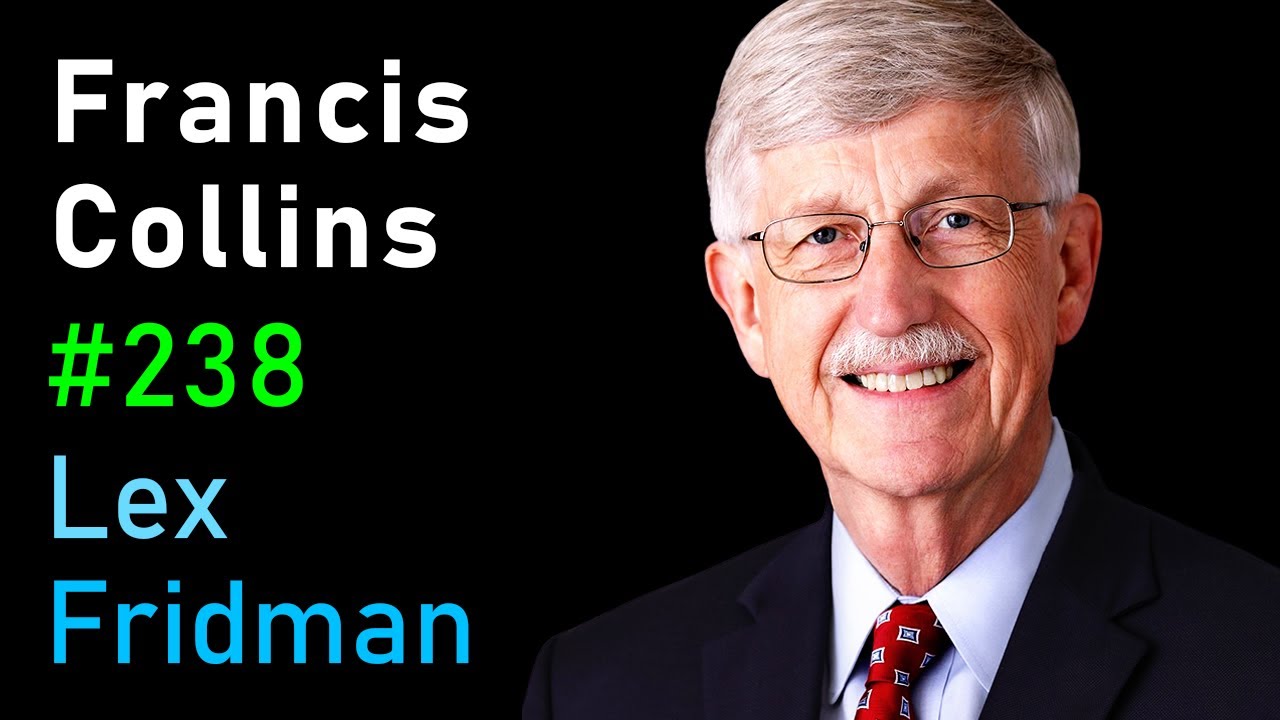
Key Insights
- Francis Collins oversaw the Human Genome Project and the NIH's response to COVID-19, including the development of vaccines.
- Gain-of-function research is tightly regulated, with only three approved studies in recent years, all concerning influenza.
- The NIH's Rapid Acceleration of Diagnostics program significantly increased COVID-19 testing capabilities, projecting 410 million tests by December.
- Collins believes science and faith can coexist, founding BioLogos to promote their harmony.
- The BRAIN Initiative, led by Collins, involves 600 investigators aiming to map the human brain's neural circuitry.
How the conversation moved
The conversation began with Francis Collins discussing the origins of COVID-19 and the implications of gain-of-function research. Collins emphasized the importance of understanding virus origins to prepare for future pandemics, while also acknowledging the controversies surrounding gain-of-function research. He noted that the NIH lifted the ban on such research in 2017, and only a few studies have been approved since, all related to influenza. This set the stage for a broader discussion on the balance between scientific inquiry and public safety.
Collins argued that while gain-of-function research is essential for understanding potential pandemic pathogens, it is heavily regulated to mitigate risks. He provided concrete examples, such as the limited number of approved studies and the strict oversight of federally funded projects. Collins also addressed public misconceptions about Dr. Anthony Fauci, defending his integrity and the necessity of truthful communication in building public trust. This highlighted the challenges of science communication in a politically charged environment.
Despite the gravity of the topics, Lex did not challenge Collins on the potential risks of gain-of-function research or the NIH's handling of public health messaging. The conversation lacked explicit pushback, though Collins himself acknowledged the ethical dilemmas and public skepticism surrounding these issues. The absence of direct confrontation allowed Collins to elaborate on his views without interruption, but it also left some critical questions unexplored, such as the broader implications of increasing accessibility to biotechnology.
The discussion concluded with Collins reflecting on his career and the intersection of science and faith. He shared his personal journey from atheism to Christianity and his efforts to reconcile these seemingly opposing views through initiatives like BioLogos. This pivot from the technical to the personal provided a holistic view of Collins as a scientist and a person, emphasizing his belief in the coexistence of science and spirituality. The conversation left open questions about the future of public health policy and the ongoing role of faith in scientific discourse.
Surprising moments
In-depth
COVID-19 and Public Health
- NIH's RADx program aims to increase COVID-19 testing capacity.
- Gain-of-function research is crucial but controversial, with strict regulations.
- Public health communication faced challenges with mask mandates and vaccine hesitancy.
- The development of COVID-19 vaccines is a major scientific achievement.
Science and Faith
- Collins transitioned from atheism to Christianity, finding harmony between science and faith.
- BioLogos was founded to promote dialogue between science and religion.
- Collins' friendship with Christopher Hitchens exemplifies civil discourse across differing beliefs.
Notable Quotes
I can't exclude that. I think it's fairly unlikely.
Still open
- What are the broader implications of increasing accessibility to biotechnology and its potential misuse?
- How can public health communication be improved to address vaccine hesitancy and misinformation?