New Lex Fridman Insight: Garry Kasparov: Chess, Deep Blue, AI, and Putin
Sent June 11, 2026
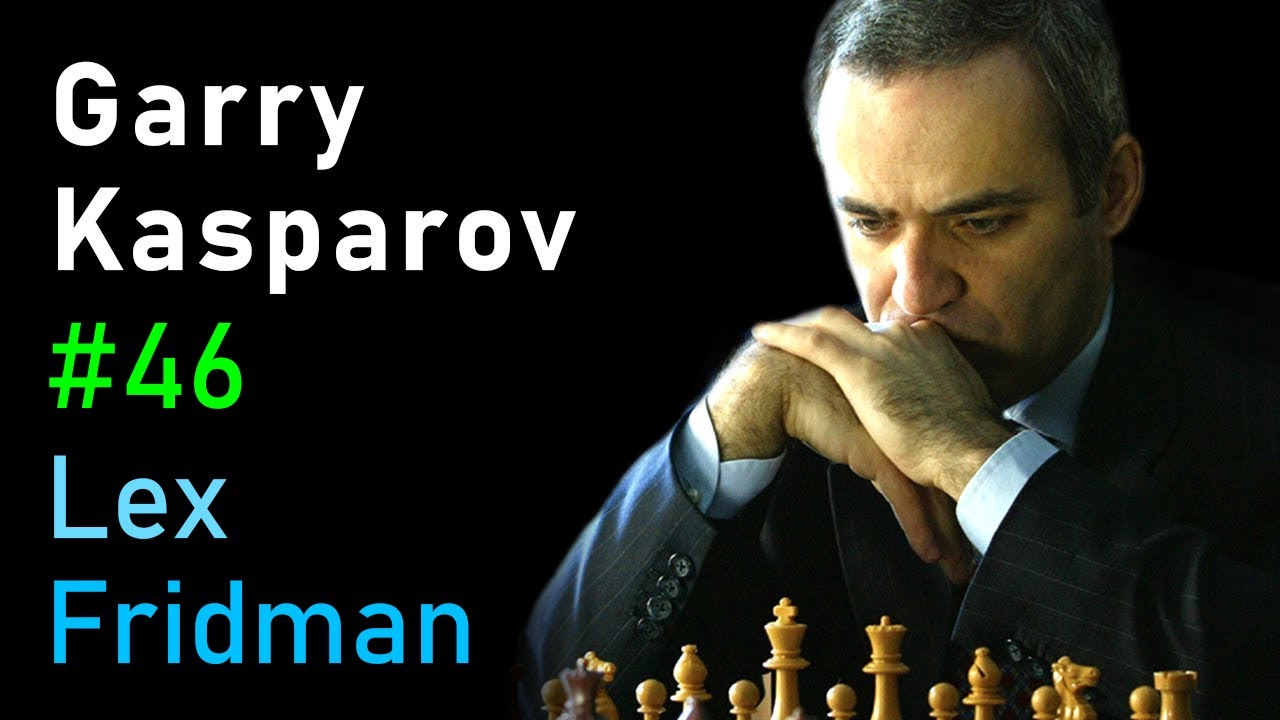
Key Insights
- Kasparov argues that machines will always outperform humans in closed systems like chess, as demonstrated by Deep Blue.
- Kasparov believes that AI will amplify existing societal biases rather than eliminate them, highlighting a critical limitation of technology.
- Kasparov asserts that Russian interference in the 2016 US election was aimed at electing Trump and will likely continue in future elections.
- Kasparov emphasizes that dictatorships like Putin's can end abruptly and unpredictably, posing both a threat and an opportunity.
How the conversation moved
The host framed the conversation around Kasparov's legendary chess career, his encounter with AI through Deep Blue, and his views on global politics, particularly regarding Russia. Kasparov began by reflecting on his motivations in chess, emphasizing the psychological aspects of decision-making and the physical demands of the game. He shared insights into his career, including his pivotal match against Anatoly Karpov, which marked his rise to world champion at age 22.
Kasparov's main argument centered on the evolution of chess and the impact of AI, asserting that machines will always outperform humans in closed systems like chess. He highlighted the advancements in AI since his matches with Deep Blue, noting that modern chess engines are far superior. Kasparov argued that chess should not be seen as the pinnacle of human intellect, as machines excel in closed systems but struggle with open-ended problems.
Lex did not challenge Kasparov's assertion that machines outperform humans in closed systems, but the conversation pivoted to the broader implications of AI. Kasparov argued that AI would amplify existing societal biases rather than eliminate them, a point that challenges the optimistic narrative of AI as a societal panacea. This tension between AI's capabilities and its limitations was a recurring theme, with Kasparov emphasizing the need for human oversight.
The conversation concluded with a discussion on global politics, particularly Russian interference in US elections and the unpredictability of dictatorships like Putin's regime. Kasparov expressed concerns about the implications of Trump's re-election on NATO and American democracy, highlighting the fragility and unpredictability of authoritarian regimes. The episode ended on a note of uncertainty, with Kasparov acknowledging the challenges and opportunities posed by AI and global politics.
Surprising moments
In-depth
Chess and AI
- Kasparov's career highlights include being world number one for 19 years and defeating Karpov in 1985.
- He argues that machines will always beat humans in closed systems like chess.
- Modern chess engines surpass Deep Blue, illustrating rapid AI advancement.
AI Limitations
- Kasparov believes AI will amplify societal biases rather than solve them.
- Machines struggle with open-ended systems, unlike humans who can adapt and question.
- AI's inability to reach perfection highlights the need for human oversight.
Russian Politics and Global Impact
- Kasparov claims Russian interference in the 2016 US election aimed to elect Trump.
- He warns that Trump's re-election could threaten NATO and American democracy.
- Kasparov notes the unpredictability of dictatorships like Putin's regime.
Notable Quotes
Losing was always painful. For me, it was almost like a physical pain, because I knew that if I lost the game, it's just because I made a mistake.
Still open
- Kasparov questioned the long-term impact of AI on societal biases, acknowledging the uncertainty in how these biases will manifest.