New Lex Fridman Insight: Harvey Silverglate: Freedom of Speech
Sent June 11, 2026
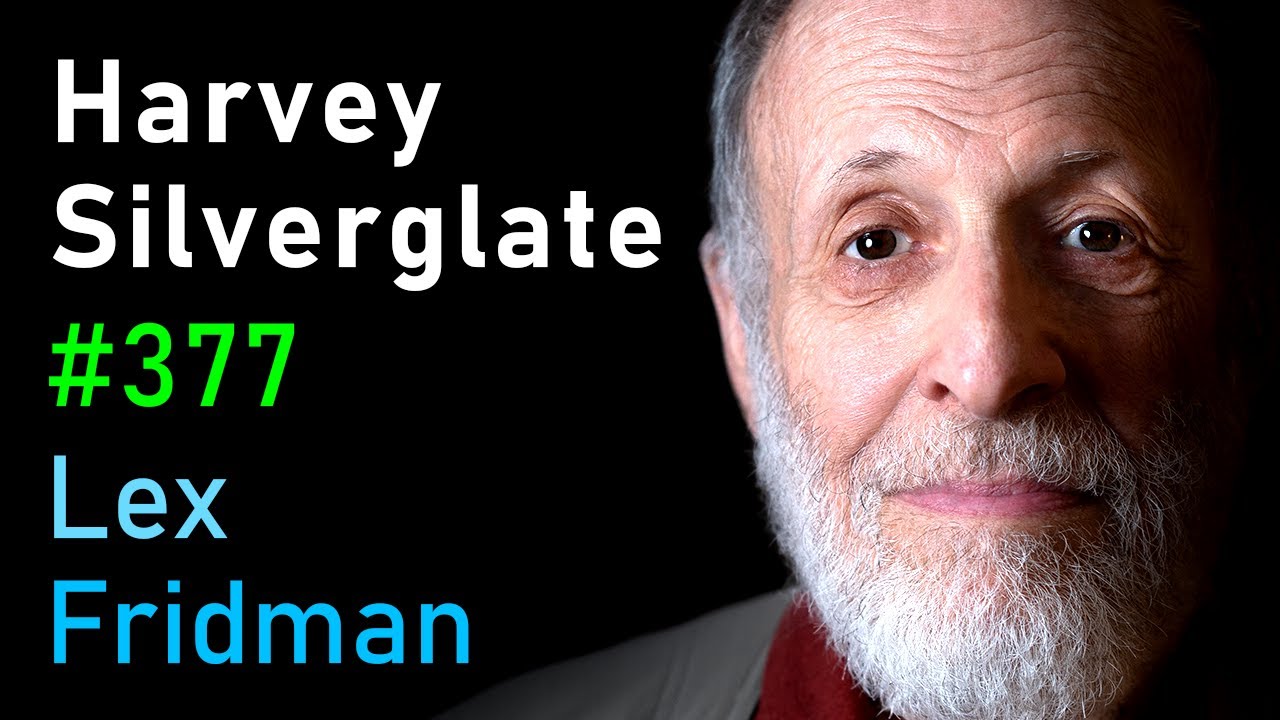
Key Insights
- Harvey Silverglate claims that hate speech is more informative than love speech, as it identifies potential threats.
- Silverglate argues that the ACLU's shift left has left FIRE as the primary defender of free speech.
- He suggests firing 95% of university administrators could slash tuition by 40% and restore academic freedom.
- Silverglate predicts the Supreme Court will abolish affirmative action, viewing it as a violation of equal protection.
- He believes public sector unions, especially in education, hinder the quality of teaching and student preparedness.
How the conversation moved
The episode begins with Harvey Silverglate discussing the founding of FIRE (Foundation for Individual Rights in Education) in 1999, originally aimed at defending free speech in educational settings. Silverglate contrasts FIRE's mission with the ACLU's current stance, arguing that the latter has become more progressive and less focused on free speech absolutism. He emphasizes the importance of hate speech as a tool for identifying potential threats, suggesting that it is more informative than love speech. This sets the stage for a broader discussion on the necessity of free expression in a functioning society, where discomfort and exposure to differing opinions are seen as essential.
Silverglate's main argument revolves around the excessive administrative presence in universities, which he claims stifles academic freedom and inflates costs. He suggests that firing 95% of administrators could reduce tuition by 40%, thereby enhancing the academic environment. This radical proposal is supported by his critique of the current educational system, which he believes fails to prepare students adequately due to bureaucratic inefficiencies. Furthermore, Silverglate predicts that the Supreme Court will abolish affirmative action, viewing it as a violation of equal protection under the law, and suggests that improving K-12 education is a more effective solution.
Despite the provocative nature of Silverglate's claims, the episode lacks significant pushback or counterarguments from the host. The conversation does not deeply explore the potential consequences of such drastic administrative cuts or the complexities of affirmative action policies. The absence of pushback leaves some of Silverglate's assertions, such as the impact of firing administrators on tuition costs, unchallenged. This lack of tension in the dialogue might leave listeners questioning the feasibility and broader implications of his proposals.
The conversation concludes with a critique of public sector unions, particularly in education, which Silverglate argues hinder the quality of teaching and student preparedness. He believes that dismantling these unions would lead to improved educational outcomes, thereby reducing the need for affirmative action. The discussion touches on the broader implications of legal representation and civil liberties, highlighting the complexities of power dynamics in universities and the importance of protecting controversial figures like Jordan Peterson. The episode ends with Silverglate reflecting on his life choices and the transformative impact of his experiences in Paris, providing a personal context to his advocacy for free speech and education reform.
Surprising moments
In-depth
Free Speech and Its Defenders
- Harvey Silverglate co-founded FIRE to defend free speech, especially in education.
- He argues that the ACLU has become too progressive, leaving FIRE as the main defender.
- Silverglate stresses the importance of allowing hate speech to identify potential threats.
University Administration and Costs
- Silverglate claims that administrative bloat in universities stifles academic freedom.
- He suggests firing 95% of administrators could cut tuition by 40%.
- This reduction could improve the academic atmosphere by focusing resources on education.
Affirmative Action and Legal System
- Silverglate predicts the Supreme Court will abolish affirmative action.
- He views affirmative action as a violation of equal protection under the law.
- Improving K-12 education is suggested as a solution to issues affirmative action seeks to address.
Impact of Public Sector Unions
- Silverglate argues that public sector unions harm education quality.
- He believes abolishing these unions would improve teaching and student outcomes.
- This change could reduce the need for affirmative action by better preparing students.
Still open
- What are the potential consequences of drastically reducing university administration on tuition and academic freedom?
- How will the predicted Supreme Court decision on affirmative action impact educational and employment policies?
References & Resources
- The Shadow University by Alan Charles Kors — Search
- Free Speech for Me but Not for Thee by Nat Hentoff — Search
- Mein Kampf by Adolf Hitler — Search
- Get Trump, the Threat to Civil Liberties Due Process and Our Constitutional Rule of Law by Alan Dershowitz — Search
- Three Felonies a Day by Harvey Silverglate — Search
- Casablanca by Michael Curtiz — Search