New Lex Fridman Insight: Hikaru Nakamura: Chess, Magnus, Kasparov, and the Psychology of Greatness
Sent June 11, 2026
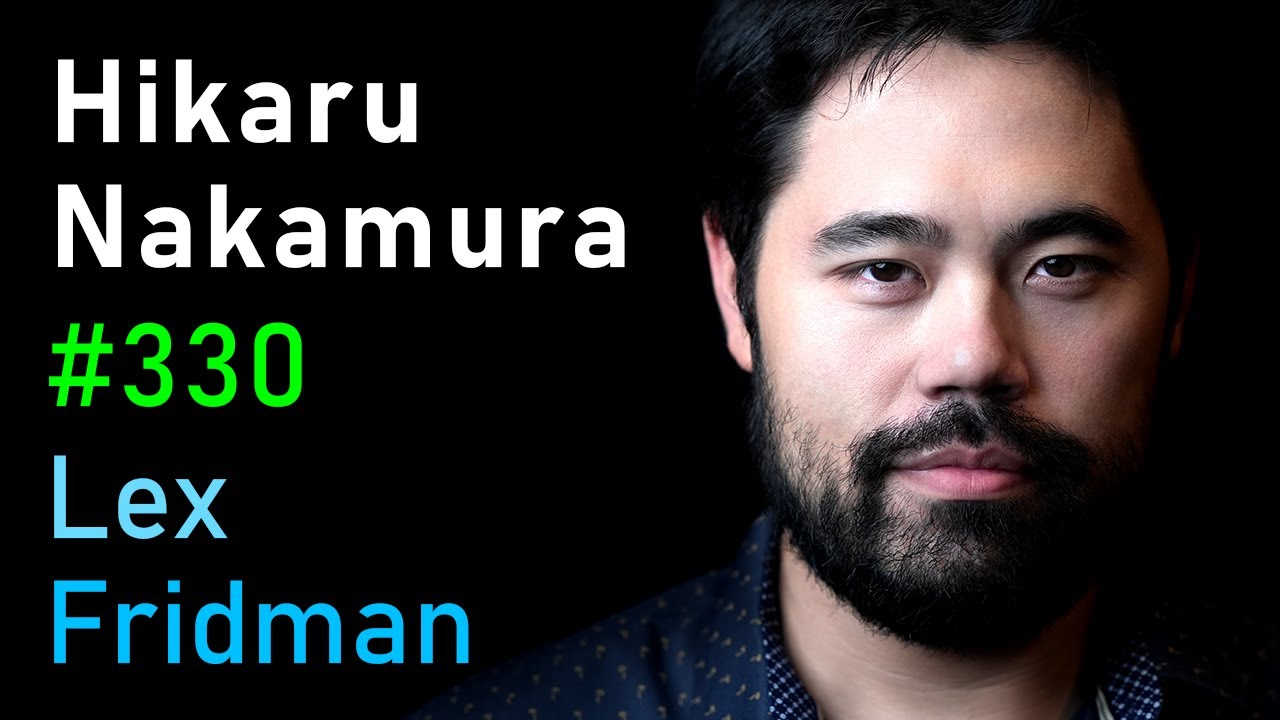
Key Insights
- Nakamura lost a private blitz match to Carlsen 24.5-15.5, which he views as a strategic mistake.
- The Berlin Defense became prominent after Kasparov struggled against it in 2001.
- Nakamura believes chess won't be solved without quantum computing advances.
- Hans Niemann's games are under scrutiny for cheating, with no hard evidence yet.
- Nakamura sees love as a double-edged sword in chess performance.
How the conversation moved
The episode opens with Hikaru Nakamura reflecting on a pivotal moment in his chess career: a private blitz match against Magnus Carlsen in 2010. Nakamura describes this match as a strategic mistake, as it allowed Carlsen to gain a deeper understanding of his playing style. This set the stage for a broader discussion on the evolution of chess strategies, particularly the impact of specific openings like the Berlin Defense, which gained prominence after Garry Kasparov struggled against it in 2001. The conversation explores how these strategic elements have shaped the competitive landscape of chess.
Nakamura delves into the psychological aspects of chess competition, particularly when facing a formidable opponent like Magnus Carlsen. He highlights Carlsen's ability to save seemingly lost positions, which has a significant psychological impact on opponents. This discussion transitions into an analysis of the broader complexities of chess, with Nakamura expressing skepticism about the possibility of solving chess without major advances in quantum computing. He argues that the inherent complexity of chess, including the tension between different pieces, contributes to its enduring intrigue and challenge.
Despite the depth of the conversation, there was a notable lack of pushback from the host on several key points, particularly Nakamura's views on the unsolvable nature of chess. The host did not challenge Nakamura's assertions about the limitations of current computational approaches to chess or explore potential counterarguments. This absence of pushback leaves open questions about alternative perspectives on the future of chess and the role of technology in advancing our understanding of the game.
The episode concludes with a discussion on the ongoing controversy surrounding Hans Niemann and allegations of cheating in chess. Nakamura reflects on the challenges of proving cheating without concrete evidence and the implications for the chess community. The conversation also touches on the personal aspects of Nakamura's life, including his views on love and competition, suggesting that personal experiences and emotions play a significant role in shaping a player's performance and approach to the game. This multifaceted discussion provides a comprehensive look at the intersection of strategy, psychology, and personal growth in chess.
Surprising moments
In-depth
Nakamura's Strategic Mistake
- Nakamura lost a private blitz match to Carlsen 24.5-15.5.
- He considers this a mistake as it revealed his style to Carlsen.
- Carlsen's defensive skills were highlighted in the match.
Chess Strategy and the Berlin Defense
- The Berlin Defense gained prominence after Kasparov's struggles in 2001.
- Kasparov had extensive files on the Berlin Defense.
- Modern strategies emphasize pressure when playing white.
The Complexity of Chess
- Chess may not be solved without quantum computing advances.
- Symmetrical openings likely lead to draws with optimal play.
- Tension between bishops and knights adds complexity to chess.
Hans Niemann Cheating Allegations
- Niemann's games are under scrutiny for cheating allegations.
- No hard evidence exists; future statistics may clarify the situation.
- Previous scandals didn't involve top-level players.
Love and Chess Performance
- Love can inspire great achievements but also distract from focus.
- Many players perform worse when in love due to lack of drive.
Notable Quotes
Magnus really started to understand my style because we played all sorts of different openings.
Still open
- Nakamura questioned whether chess could ever be fully solved without quantum computing advances.
- The potential impact of Hans Niemann's game statistics on proving cheating allegations remains uncertain.