New Lex Fridman Insight: Ian Hutchinson: Nuclear Fusion, Plasma Physics, and Religion
Sent June 11, 2026
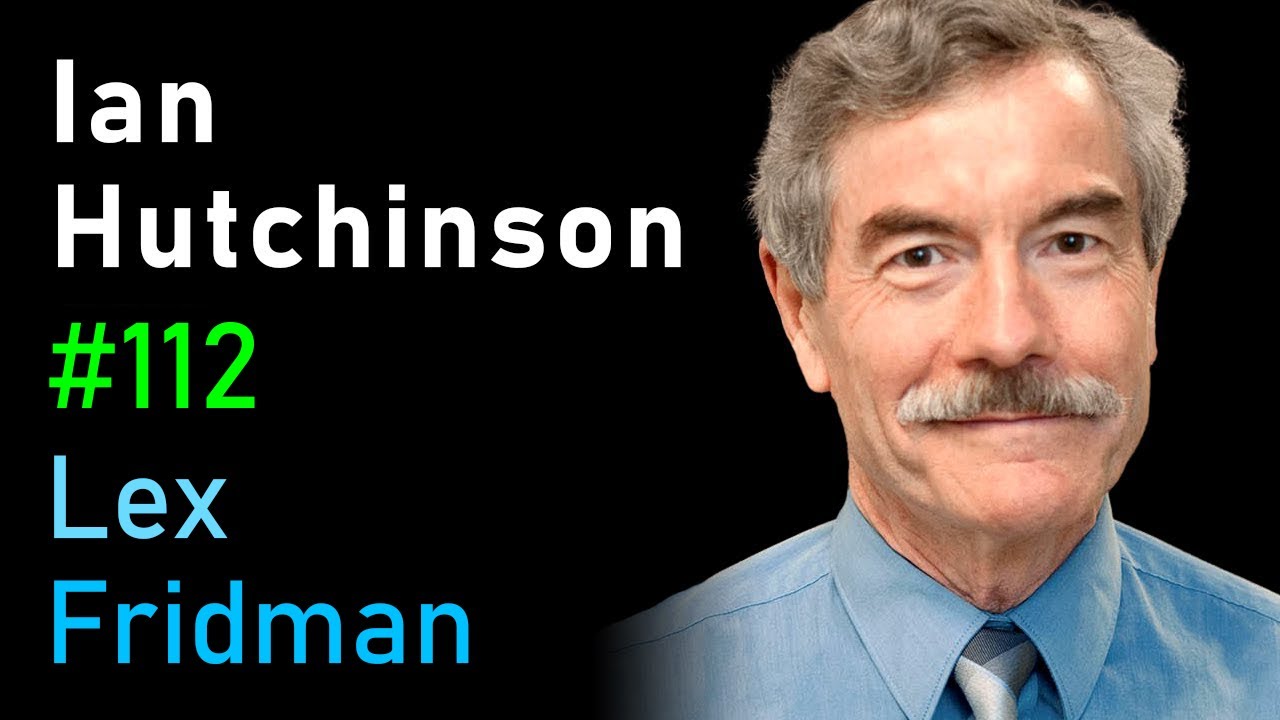
Key Insights
- Nuclear fusion requires temperatures of tens of millions of degrees Celsius, making it far more challenging than fission.
- The tokamak design uses magnetic fields to confine plasma, crucial for achieving fusion on Earth.
- Scientism, the belief that science is the only real knowledge, is criticized as intellectually flawed.
- Fusion energy, while promising, is not a magic bullet for all energy needs and remains experimental.
- Compassion, defined as suffering alongside others, is emphasized as key in addressing human suffering.
How the conversation moved
Lex Fridman opens the discussion with Ian Hutchinson by framing the central question around the feasibility and challenges of nuclear fusion as an energy source. Hutchinson begins by distinguishing between nuclear fission and fusion, explaining the immense technical challenges of achieving fusion on Earth, such as the need for temperatures of tens of millions of degrees Celsius. He notes that magnetic confinement, particularly through the tokamak design, is crucial for stabilizing plasma, which is a key component in the fusion process. This setup establishes the technical and scientific foundation for the conversation, highlighting the complexity and potential of fusion energy.
Hutchinson argues that while fusion energy holds promise, it remains an experimental technology and is not a magic bullet for solving global energy needs. He supports this by discussing the ITER project, which aims to demonstrate the feasibility of fusion but will not produce electricity for the grid. Hutchinson contrasts the slower progress in fusion with the rapid development of fission reactors, emphasizing the ongoing challenges and the need for continued research and innovation. This argument underscores the importance of managing expectations around fusion energy and recognizing the need for a diverse mix of energy solutions.
Lex does not challenge Hutchinson's framing of fusion energy's potential and limitations, though an obvious counter-position would be to question whether the resources invested in fusion could be better allocated to other renewable energy technologies. Hutchinson also critiques scientism, the belief that science is the only valid form of knowledge, describing it as a significant intellectual error. This critique introduces tension by challenging the dominant cultural narrative that often elevates scientific knowledge above other forms of understanding, such as faith and moral reasoning.
The conversation pivots towards broader philosophical topics, including the relationship between faith and knowledge, and the role of compassion in addressing human suffering. Hutchinson argues that faith provides a moral foundation that transcends mere pragmatism, and he emphasizes compassion as a key response to suffering. The discussion concludes with reflections on the limitations of technology in solving existential threats, suggesting that human choices and sociological factors are the primary obstacles. This resolution leaves open questions about the future role of technology and the importance of integrating ethical considerations into scientific and technological advancements.
Surprising moments
In-depth
Nuclear Fusion Challenges
- Fusion requires extremely high temperatures, unlike fission.
- Magnetic confinement is crucial for plasma stability in fusion.
- Fusion energy is not yet viable for grid electricity.
Critique of Scientism
- Scientism is seen as an intellectual error.
- Faith offers a basis for moral beliefs beyond pragmatism.
Compassion and Human Experience
- Compassion is key in addressing suffering.
- Suffering is integral to life's consistency and beauty.
Notable Quotes
The vast majority of matter in the universe is plasma.
Still open
- Hutchinson questions whether the resources invested in fusion research could be better allocated to other renewable energy technologies.