New Lex Fridman Insight: Israel-Palestine Debate: Finkelstein, Destiny, M. Rabbani & Benny Morris
Sent May 30, 2026
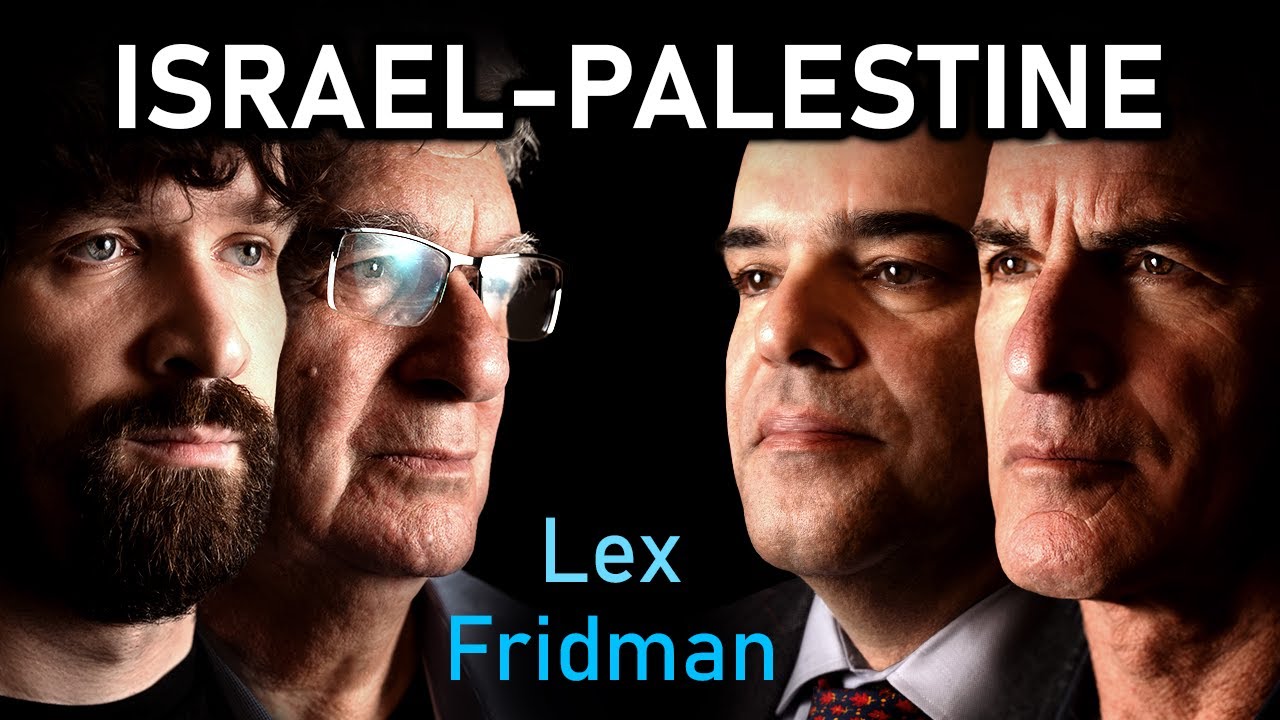
Key Insights
- Benny Morris claims that the 1948 Palestinian refugee crisis resulted from Arab aggression, not a Zionist expulsion policy.
- Mouin Rabbani argues that Zionism inherently included plans for Palestinian displacement, contradicting Morris's claims.
- Norman Finkelstein challenges the notion that international law is irrelevant, asserting its importance in the Israeli-Palestinian conflict.
- The 1979 Egypt-Israel peace treaty was driven by Egypt's determination to recover its territories, not just Israeli desire for peace.
How the conversation moved
The episode opens with a discussion on the 1948 partition of Palestine, examining the differing perspectives on its implications for Israelis and Palestinians. Benny Morris presents the argument that the Arab rejection of the partition resolution led to the ensuing conflict and refugee crisis. This framing sets the stage for a deeper exploration of the historical narratives surrounding the establishment of Israel and the displacement of Palestinians.
Benny Morris argues that the refugee crisis was a consequence of Arab aggression, not a premeditated Zionist expulsion policy. He supports this claim by stating that the Zionist movement did not formally adopt expulsion as a policy, although some leaders considered it during historical moments like the Peel Commission in 1937. This argument is countered by Mouin Rabbani, who asserts that the idea of transfer was inherent in Zionist ideology and not merely a reaction to Arab aggression.
The conversation becomes tense as Norman Finkelstein challenges Morris's dismissal of international law's relevance, asserting that it provides a necessary standard for assessing the conflict. This pushback highlights the divergent views on the role of legal frameworks in the Israeli-Palestinian conflict, with Morris maintaining that international law has little impact on the ground realities. The debate underscores the complexities of historical narratives and the legal dimensions of the conflict.
The episode concludes with a discussion on the 1979 Egypt-Israel peace treaty, where Morris and Rabbani debate the motivations behind the treaty. While Morris suggests that Israelis genuinely desired peace, Rabbani argues that the treaty was strategically motivated by Egypt's determination to recover its territories. This conversation leaves open questions about the role of strategic interests versus genuine peace efforts in Middle Eastern diplomacy, reflecting broader themes of the episode.
Surprising moments
In-depth
1948 Refugee Crisis
- Benny Morris claims Arab aggression caused the refugee crisis.
- Mouin Rabbani argues displacement was inherent in Zionism.
Role of International Law
- Finkelstein argues international law is crucial for conflict assessment.
- Morris claims international law is irrelevant to negotiations.
Egypt-Israel Peace Treaty
- The treaty was influenced by Egypt's territorial recovery goals.
- Israeli leadership viewed the treaty strategically.
Notable Quotes
A removing of a population was needed. Without a population expulsion, a Jewish state would not have been established.
Still open
- Mouin Rabbani questions whether the establishment of a Palestinian state in the occupied territories remains realistic despite claims of a point of no return.
- Norman Finkelstein asks if international law can ever be a significant factor in resolving the Israeli-Palestinian conflict.