New Lex Fridman Insight: Jack Dorsey: Square, Cryptocurrency, and Artificial Intelligence
Sent June 11, 2026
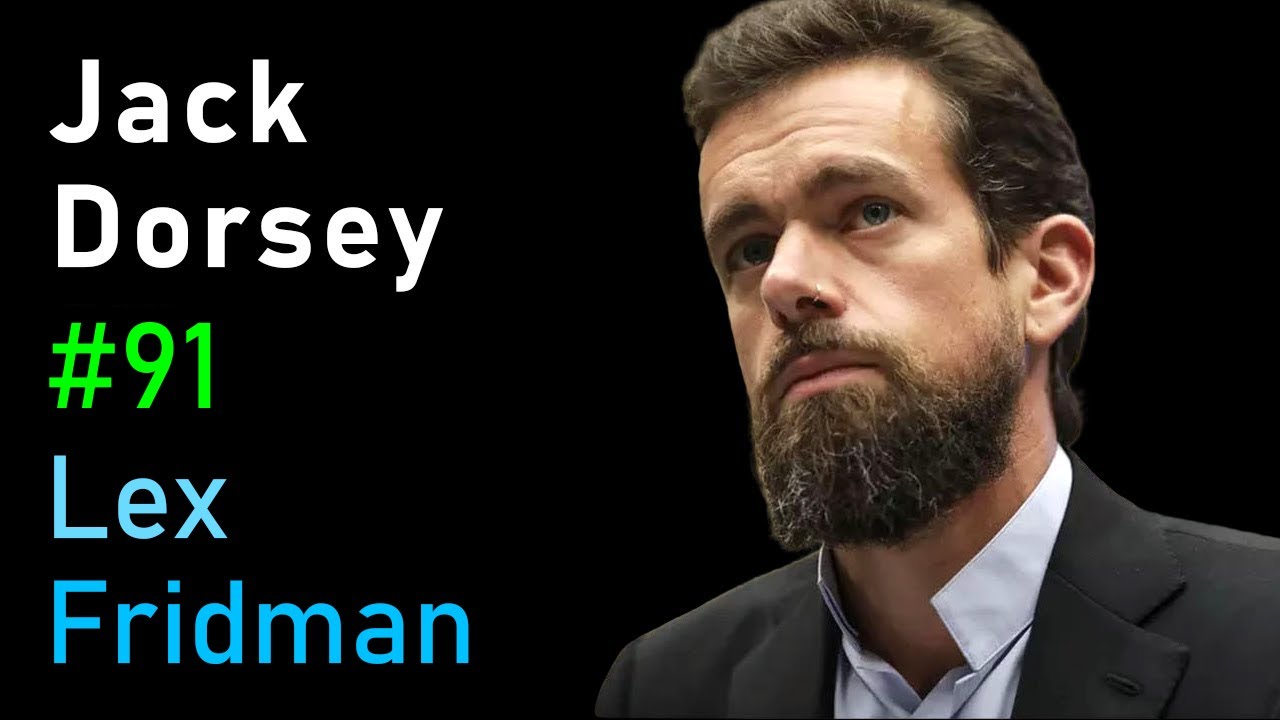
Key Insights
- Jack Dorsey moved $1 billion of Square equity to fund COVID-19 relief, showcasing his commitment to philanthropy.
- Square improved merchant credit card approval rates from 30-40% to 99% by shifting from distrust to a trust-and-verify model.
- Dorsey views Bitcoin as the internet's native currency, emphasizing its role in global financial inclusion.
- AI's rapid development outpaces detection technologies, complicating identity verification in financial systems.
- Dorsey supports universal basic income as a buffer against job displacement from AI, suggesting $1,000/month as a minimum.
How the conversation moved
The episode begins with Lex framing the discussion around Jack Dorsey's dual role in leading Square and his vision for cryptocurrency and AI. Dorsey introduces Square's mission to democratize access to the economy, emphasizing how machine learning has been pivotal in transforming the company's approach to merchant services. He highlights a significant philanthropic gesture, moving $1 billion of his equity to COVID-19 relief, underscoring his commitment to social impact beyond corporate success.
Dorsey elaborates on Square's evolution, particularly how they increased the merchant approval rate from 30-40% to 99% by adopting a trust-and-verify model. This shift was enabled by machine learning and data science, which allowed Square to better assess risk and verify merchants. He also discusses his belief in Bitcoin as the internet's native currency, arguing that it can provide financial inclusion on a global scale, particularly in regions with limited access to traditional banking systems.
While Lex does not overtly challenge Dorsey's views, the conversation touches on potential tensions, such as the rapid development of AI outpacing detection technologies, which complicates identity verification in financial systems. Dorsey notes the philosophical implications of Bitcoin's pseudonymous launch, suggesting it reflects a deeper commitment to decentralization and trust, which could be contentious in traditional financial circles. Lex doesn't press on these points, leaving some areas of potential debate unexplored.
The discussion concludes with Dorsey advocating for universal basic income (UBI) as a necessary response to AI-driven job displacement. He suggests a baseline of $1,000 per month to ensure financial stability during technological transitions. The conversation wraps up with reflections on the broader implications of AI and cryptocurrency on society, leaving open questions about the balance between innovation and regulation, particularly concerning data ownership and equitable access to digital financial systems.
Surprising moments
In-depth
Square's Economic Access Mission
- Dorsey donated $1 billion of Square equity for COVID-19 relief.
- Square's merchant approval rate increased to 99% by changing verification models.
- Machine learning has been crucial in Square's risk modeling.
Cryptocurrency's Role in Society
- Bitcoin is seen as the internet's native currency by Dorsey.
- The Bitcoin white paper is a seminal work in computer science.
- Cryptocurrency can drive innovation in regions lacking payment systems.
AI and Job Displacement
- AI is advancing faster than detection technologies, posing verification challenges.
- Dorsey supports universal basic income to mitigate AI-driven job loss.
- Data centralization changes the landscape of automation concerns.
Notable Quotes
If there was one word that I think represents what we're trying to do at Square, it is that word access.
Still open
- Lex asked about the implications of Bitcoin's pseudonymous launch on trust and decentralization, which Dorsey touched on but left largely unexplored.