New Lex Fridman Insight: James Sexton: Divorce Lawyer on Marriage, Relationships, Sex, Lies & Love
Sent May 30, 2026
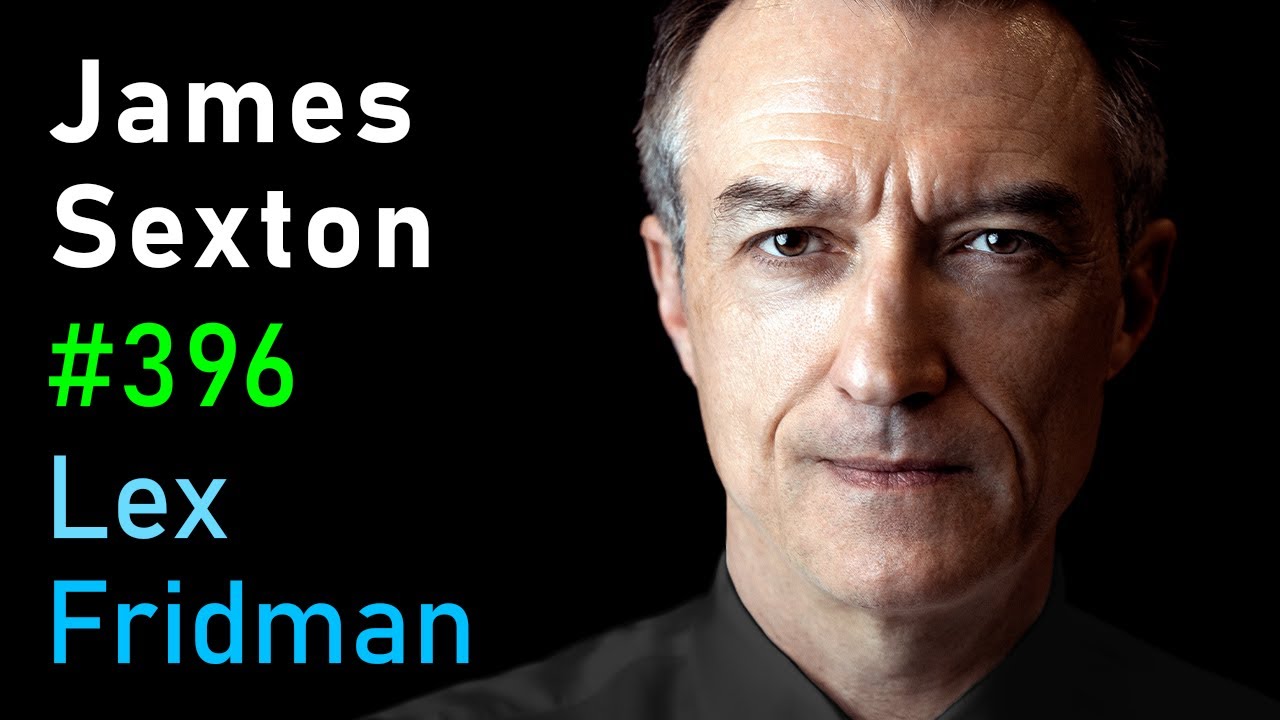
Key Insights
- Disconnection, not infidelity, is the primary cause of marriage failures, developing slowly before manifesting in major issues.
- Sexton argues that enduring an unhappy marriage is not a success, but a form of endurance, challenging conventional views.
- 56% of marriages end in divorce, yet 84% of those individuals remarry within five years, indicating a persistent belief in marriage.
- Infidelity often arises from impulse rather than a lack of love, complicating the narrative around cheating.
- Sexton suggests using psilocybin in controlled settings for divorcing couples to foster empathy and resolve conflicts.
How the conversation moved
Lex Fridman introduces James Sexton, a divorce lawyer, to explore the complexities of marriage and relationships. Sexton begins by identifying disconnection as the primary cause of marital failure, rather than infidelity, emphasizing that disconnection develops slowly before manifesting in significant issues. He argues that cultural narratives often promote criticism in relationships, which can be toxic and detrimental to connection. Sexton also challenges the notion that enduring unhappy marriages is a success, suggesting instead that it is a form of endurance rather than a true measure of marital success.
Sexton presents data showing that 56% of marriages end in divorce, yet 84% of those individuals remarry within five years, indicating a persistent belief in the institution of marriage. He critiques the conventional view that a long marriage is inherently successful, arguing that a conscious choice to appreciate and support one's partner is more valuable. Sexton also delves into the nature of infidelity, suggesting that it often results from impulse rather than a lack of love, which complicates the traditional narrative around cheating and relationship failures.
Lex Fridman pushes back on Sexton's view that memory is a deliberate choice, suggesting that trauma can overshadow positive memories. Sexton acknowledges this but maintains that how relationships end can overshadow the positive memories, comparing it to how a bad ending can ruin a good movie experience. He argues that memory can be kind, allowing people to remember loved ones positively despite difficult endings, and suggests viewing relationships as chapters in a life story rather than binary successes or failures.
The conversation pivots to innovative solutions for divorce, with Sexton proposing the use of psilocybin in controlled settings to foster empathy and resolve conflicts in divorcing couples. He acknowledges the logistical challenges but believes this approach could transform conflict resolution. The discussion concludes with Sexton reflecting on the transformative potential of divorce and the role of love in human behavior, emphasizing that despite the challenges, love remains a driving force in relationships and societal dynamics.
Surprising moments
In-depth
Relationship Dynamics
- Disconnection is a slow, primary cause of marital failure.
- Criticism in relationships is culturally normalized but toxic.
- Enduring unhappy marriages is not a success.
Divorce and Remarriage
- 56% of marriages end in divorce, yet 84% remarry within five years.
- High divorce rates coexist with a strong belief in marriage's value.
Infidelity
- Infidelity often stems from impulse, not lack of love.
- Cheating complicates the narrative around relationship failures.
Innovative Divorce Solutions
- Psilocybin could foster empathy in divorce mediation.
- Controlled settings for psychedelics could transform conflict resolution.
Notable Quotes
Disconnection happens very slowly and then all at once.
Still open
- Lex asked whether psilocybin could realistically be integrated into divorce mediation given current legal constraints; Sexton acknowledged the challenge but saw potential.