New Lex Fridman Insight: Jamie Metzl: Lab Leak Theory
Sent June 11, 2026
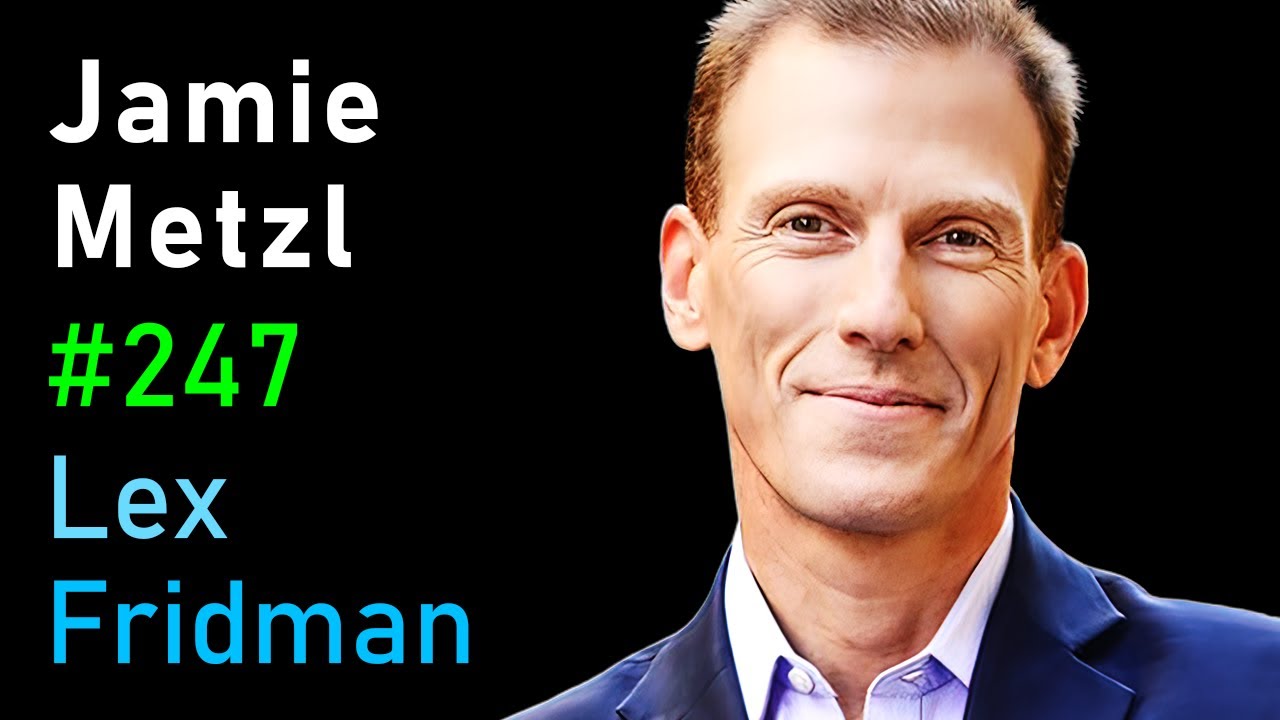
Key Insights
- Jamie Metzl assigns an 85% probability to the lab leak hypothesis for COVID-19's origin, citing circumstantial evidence.
- The Wuhan Institute of Virology's database went offline in September 2019, raising suspicions about its role in the pandemic.
- Metzl argues that the Chinese government's cover-up contributed to 15 million deaths globally, based on The Economist's estimate.
- Gain-of-function research, including a DARPA proposal involving EcoHealth Alliance, raises questions about SARS-CoV-2's origins.
- The WHO's investigation into COVID-19 origins was heavily influenced by Chinese officials, limiting its effectiveness.
How the conversation moved
Lex Fridman opens the discussion by framing the central question around the origins of COVID-19, specifically the lab leak hypothesis. Jamie Metzl, the guest, presents a strong stance, estimating an 85% probability that the virus originated from a lab incident in Wuhan. Metzl supports his argument with circumstantial evidence, noting the stability of SARS-CoV-2 and the lack of evolutionary history leading to human infection, unlike previous outbreaks. The conversation sets the stage for a detailed examination of the evidence surrounding the pandemic's origins.
Metzl elaborates on the evidence that supports the lab leak hypothesis, including the Wuhan Institute of Virology's database going offline in September 2019, which he finds suspicious. He also highlights the lack of evidence for a natural origin, pointing out that the Chinese have sequenced over 80,000 animal samples without finding a precursor to SARS-CoV-2. The discussion touches on the geopolitical implications of the Chinese government's actions and the need for transparency in global health crises.
Lex Fridman does not challenge Metzl's framing directly but raises questions about the broader implications of the lab leak theory. The conversation explores the role of gain-of-function research, with Metzl discussing a DARPA proposal involving EcoHealth Alliance that included plans to insert furin cleavage sites into bat coronaviruses. This proposal raises ethical questions about the origins of SARS-CoV-2 and the responsibilities of scientific research. The lack of direct pushback leaves some areas of the discussion open to interpretation.
The conversation concludes with a critique of the World Health Organization's investigation into the origins of COVID-19. Metzl argues that the investigation was compromised by Chinese influence, limiting its effectiveness. The episode ends with a call for greater transparency and accountability in international health governance, emphasizing the need for independent investigations into pandemic origins. The discussion leaves open questions about the future of global health policies and the role of international organizations in addressing such crises.
Surprising moments
In-depth
Lab Leak Hypothesis
- Jamie Metzl estimates an 85% probability of a lab leak origin for COVID-19.
- All evidence for both lab leak and natural origin theories is circumstantial.
- SARS-CoV-2's stability suggests it was already adapted to humans.
Wuhan Institute of Virology
- The institute's database went offline in September 2019.
- French intelligence warned about safety at the institute in 2018.
- The Chinese government claims the database was taken offline due to cyberattacks.
Global Impact of Chinese Government Actions
- The cover-up contributed to 15 million deaths globally, according to The Economist.
- The Chinese government's actions highlight the need for transparency in global health crises.
Gain-of-Function Research Controversy
- EcoHealth Alliance's DARPA proposal involved engineering bat coronaviruses.
- The proposal included plans to insert furin cleavage sites, present in SARS-CoV-2.
WHO's Compromised Investigation
- The WHO's investigation was influenced by Chinese officials.
- Peter Ben-Embarek admitted misrepresenting the likelihood of a lab incident due to pressure.
Notable Quotes
I would stand by what I've been saying since really the middle of last year. It's more likely and not, in my opinion, that the pandemic stems from an accidental lab incident in Wuhan.
Still open
- Metzl questioned whether the NIH's response to the lab leak theory was sufficient, suggesting preconceived conclusions.
- Lex questioned the ethical implications of gain-of-function research and its potential link to the pandemic.