New Lex Fridman Insight: Jason Calacanis: Startups, Angel Investing, Capitalism, and Friendship
Sent June 11, 2026
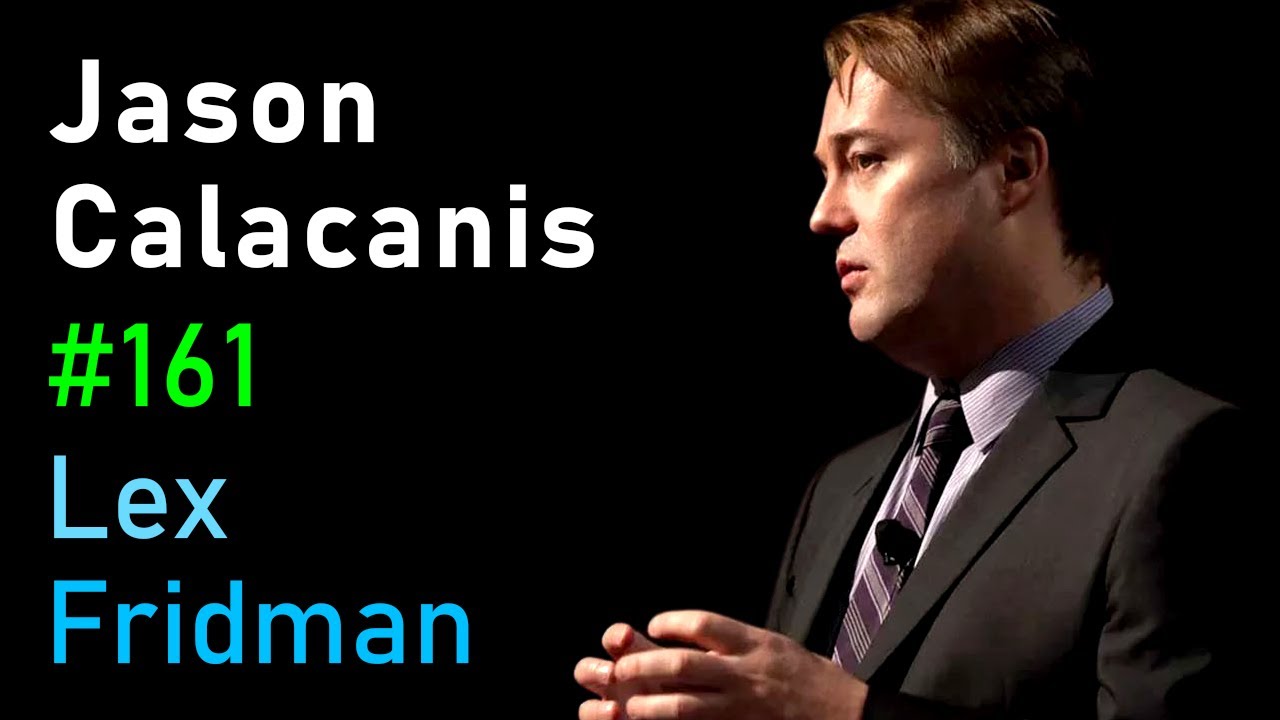
Key Insights
- Jason Calacanis believes that the most successful startups create new markets, as seen with Robinhood, Uber, and Airbnb.
- Calacanis argues that capitalism is a force for good, but warns that China's version poses a global threat.
- He emphasizes the importance of purpose in entrepreneurship, citing Elon Musk's sacrifices for Tesla.
- Calacanis is fiercely loyal to founders, even defending controversial companies like Uber and Robinhood.
- He suggests individuals should have personal algorithms for social media to counter negativity.
How the conversation moved
Lex Fridman opens the conversation by framing the central question around the dynamics of startups, capitalism, and the role of angel investing in shaping the future. Jason Calacanis immediately dives into his experiences with Robinhood and WallStreetBets, illustrating how disruptive startups can create new markets and challenge traditional financial systems. Calacanis sets the stage by emphasizing that the most successful startups are those that defy conventional wisdom and create entirely new opportunities.
Calacanis argues that capitalism, despite its flaws, is fundamentally a force for good because it drives competition and innovation that benefit society. He contrasts this with China's version of capitalism, which he describes as a hybrid of communism and capitalism that could pose a significant threat to global democracy. Calacanis provides concrete examples of how China's rise in capitalism could undermine democratic values worldwide, framing this as an existential threat to humanity.
Lex doesn't challenge Calacanis's framing of capitalism as a force for good, nor does he push back on the assertion that China's model is uniquely dangerous. However, the tension arises from the potential oversimplification of global dynamics, as some might argue that China's economic strategies are more complex and nuanced than portrayed. This lack of pushback leaves room for debate on whether Calacanis's views on capitalism and global competition fully capture the intricacies of international relations.
The conversation pivots to the importance of purpose in entrepreneurship, with Calacanis highlighting Elon Musk's sacrifices for Tesla as a prime example of purpose-driven leadership. They explore how having a clear mission can drive innovation and resilience, particularly in challenging industries. The episode concludes with Calacanis advocating for personalized algorithms in social media to combat negativity, suggesting that individuals should have more control over the content they consume to improve mental health.
Surprising moments
In-depth
Startups and Market Creation
- Calacanis believes successful startups create new markets, challenging traditional industries.
- Robinhood, Uber, and Airbnb are examples of startups that succeeded against expectations.
Capitalism and Global Dynamics
- Calacanis views capitalism as beneficial but warns of China's authoritarian capitalism.
- China's rise in capitalism could threaten global democracy.
Purpose-Driven Entrepreneurship
- Elon Musk's sacrifices for Tesla highlight the importance of purpose in business.
- Purpose can drive innovation and resilience in entrepreneurship.
Loyalty and Founder Support
- Calacanis is loyal to founders, defending companies like Uber and Robinhood.
- He believes in supporting founders publicly, even during controversies.
Social Media and Personal Algorithms
- Calacanis suggests personalized algorithms for social media to reduce negativity.
- Personalized feeds could improve mental health by promoting positive content.
Notable Quotes
In almost all cases, the crazy outlandish ideas that nobody believes in are the ones that have the greatest returns.
Still open
- Calacanis wonders if China's version of capitalism could eventually dominate global markets, posing a threat to democracy.
- He questions whether personalized algorithms could effectively reduce social media's negative impact on mental health.