New Lex Fridman Insight: Jay Bhattacharya: The Case Against Lockdowns
Sent June 11, 2026
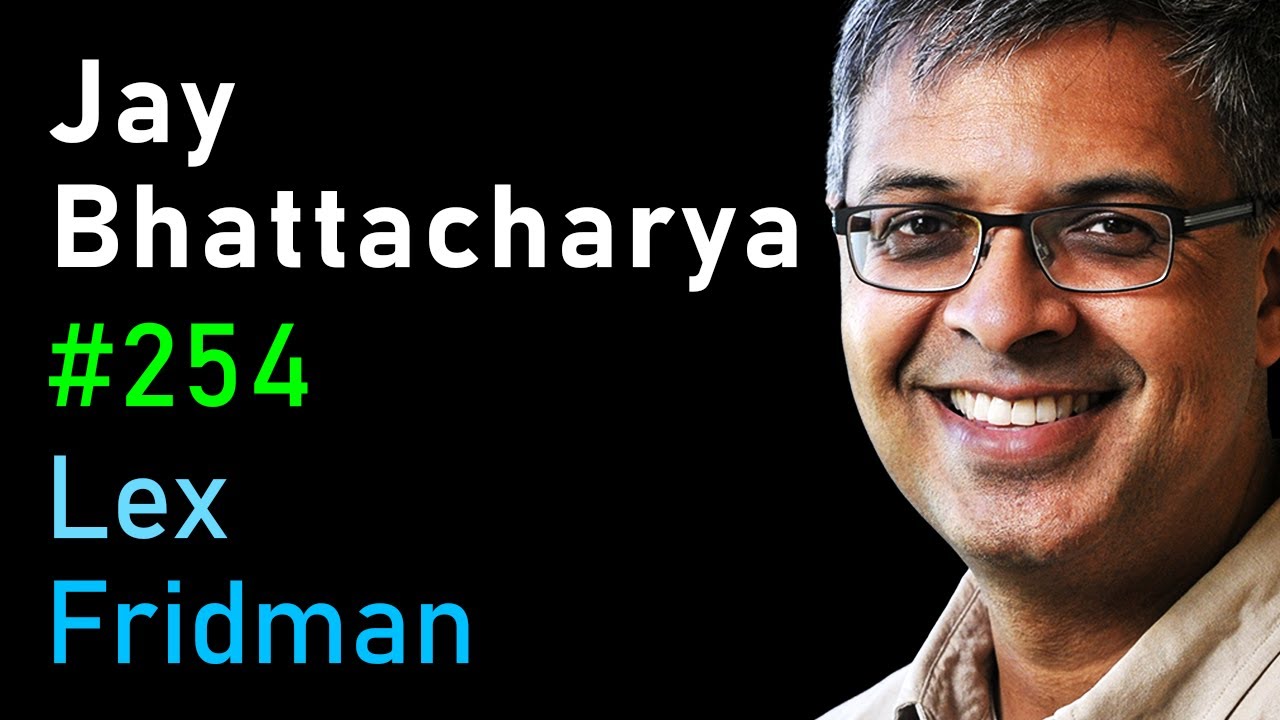
Key Insights
- Jay Bhattacharya argues that lockdowns were ineffective and caused widespread harm, advocating for focused protection instead.
- The Great Barrington Declaration, co-authored by Bhattacharya, suggests protecting vulnerable populations while allowing others to live normally.
- COVID-19's infection fatality rate is much lower than initially feared, with seroprevalence studies showing a global median of 0.15%.
- Lockdowns disproportionately affected poorer populations, exacerbating existing inequalities and causing significant collateral damage.
- The NIH's dual role in policy and funding created conflicts of interest, complicating the pandemic response.
How the conversation moved
Lex Fridman opens the conversation by framing the debate around the effectiveness of COVID-19 lockdowns, questioning whether they were the best response to the pandemic. Jay Bhattacharya, a co-author of the Great Barrington Declaration, argues that lockdowns were not only ineffective but also caused significant harm. He suggests that a focus protection strategy, which involves safeguarding the most vulnerable while allowing others to live normally, would have been a more effective approach. Bhattacharya's position is grounded in data from seroprevalence studies, which indicate that the infection fatality rate of COVID-19 is much lower than initially feared.
Bhattacharya presents evidence from various studies, including the Santa Clara County study, which revealed a death rate of 0.2% in the community population. He argues that the actual infection fatality rate is approximately 0.15% globally, based on seroprevalence data. This evidence challenges the perception that COVID-19 was universally deadly, highlighting that age is a significant risk factor, with older populations facing higher fatality rates. Bhattacharya emphasizes that public health policies should have been more targeted, focusing on protecting vulnerable groups rather than implementing broad lockdowns that caused widespread economic and social harm.
Lex Fridman does not explicitly challenge Bhattacharya's data or conclusions, but the conversation reveals tension in the broader public health community's response to the Great Barrington Declaration. Bhattacharya disputes the characterization of the declaration as fringe and argues that it represents a legitimate alternative to lockdown policies. He points out that lockdowns disproportionately affected poorer populations, exacerbating existing inequalities and causing collateral damage, such as increased mental health issues and educational disruptions.
The conversation concludes with a discussion on the role of public health authorities and the conflicts of interest that arose during the pandemic. Bhattacharya criticizes the NIH's dual role in policy-making and funding scientific research, arguing that it led to conflicts of interest that complicated the pandemic response. He advocates for a separation of these roles to ensure that public health decisions are based on sound science rather than political or financial considerations. The episode leaves open questions about how future pandemics should be managed and the role of public health institutions in shaping policy.
Surprising moments
In-depth
Lockdown Critique
- Lockdowns were ineffective and caused harm, according to Bhattacharya.
- Focus protection is proposed as an alternative to lockdowns.
- The Great Barrington Declaration argues for protecting the vulnerable.
COVID-19 Fatality Rates
- Global median infection fatality rate is approximately 0.15%.
- Age is a significant risk factor, with higher rates in older populations.
Public Health Policy and Inequality
- Lockdowns exacerbated inequalities, affecting poorer populations more severely.
- The NIH's dual role led to conflicts of interest, complicating pandemic responses.
Notable Quotes
The landscape of suffering is vast and must be fully considered in calculating the response to the pandemic with humility and with rigorous, open-minded scientific debate.
Still open
- What role should public health institutions play in shaping future pandemic policies?
- How can conflicts of interest in public health policy-making be effectively managed?