New Lex Fridman Insight: Jeff Atwood: Stack Overflow and Coding Horror
Sent June 11, 2026
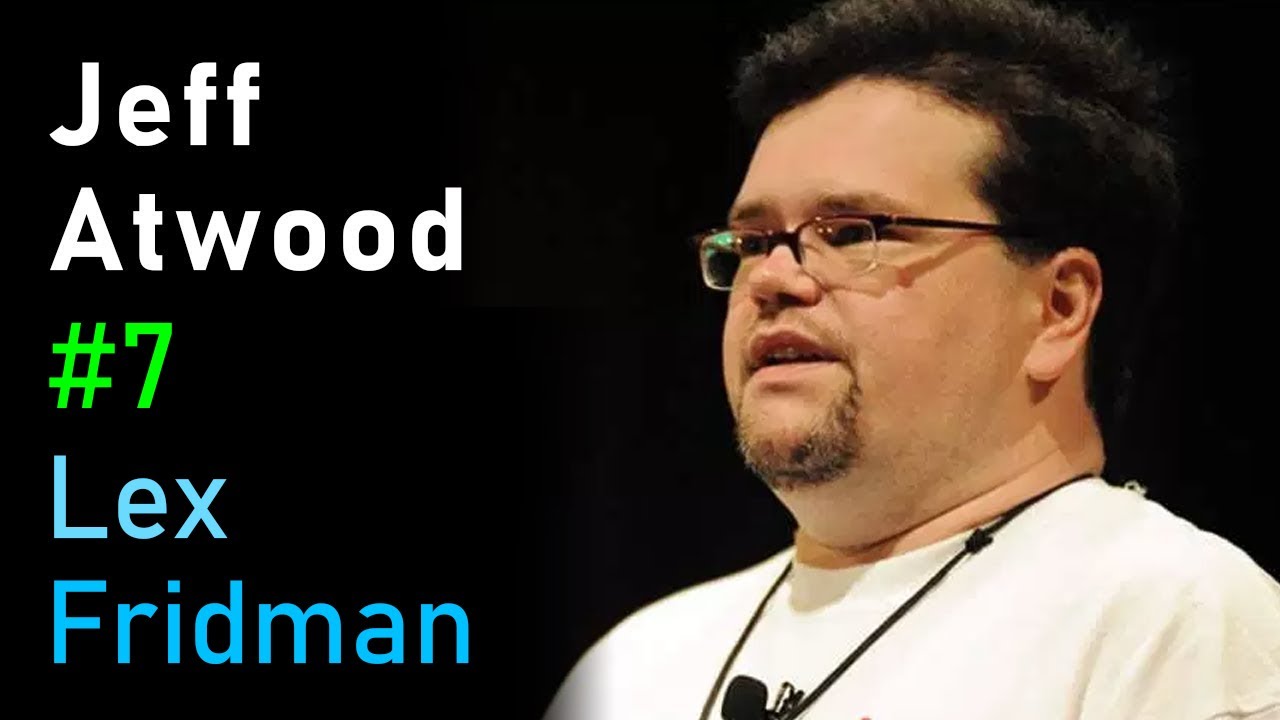
Key Insights
- Jeff Atwood argues that Stack Overflow's reputation system prioritizes peer recognition over monetary incentives, which shapes user behavior.
- Stack Overflow was not designed for beginners, who need different tools like live screen sharing and chat for effective learning.
- Atwood suggests that the future of programming will involve more integration of existing tools rather than traditional coding, likening it to stacking LEGO bricks.
- He claims that AI is often oversold, with many predictions based more on human predictability than true artificial intelligence.
- The minimum server cost for running Discourse is now five dollars a month, reflecting a trend towards more affordable hosting solutions.
How the conversation moved
Lex introduces the episode by framing the conversation around the evolution of Stack Overflow and its impact on the programming community. Jeff Atwood begins by discussing the motivations behind Stack Overflow's creation, emphasizing the need for a platform that prioritizes peer recognition over monetary incentives. He reflects on the initial challenges and how the platform evolved from a general discussion site to a focused Q&A platform, which helped maintain high-quality content and user engagement.
Atwood argues that Stack Overflow was not designed for beginners, who require different tools such as live screen sharing and chat to effectively learn and solve problems. He highlights the importance of community ownership and the role of platforms like Discourse in allowing communities to set their own norms. Atwood shares insights on the persistence required in content creation and the value of engaging directly with an audience to build a strong community foundation.
Lex does not explicitly challenge Atwood's views, though there is an implicit tension in the discussion about the accessibility of Stack Overflow for beginners. Atwood's assertion that the platform was not intended for novices suggests a gap in resources for new programmers, which could be seen as a limitation of the platform. This tension highlights the need for alternative resources and tools to support beginner programmers in their learning journey.
The conversation pivots to the future of programming, where Atwood suggests that integration of existing tools will become more prevalent than traditional coding. He likens this to stacking LEGO bricks, emphasizing the potential for democratizing programming. Atwood also critiques the overselling of AI, arguing that many predictions are based on human predictability rather than true artificial intelligence. The discussion concludes with reflections on the decreasing costs of running platforms like Discourse, making them more accessible to small communities.
Surprising moments
In-depth
Programmer Motivation and Leadership
- Programmers are often motivated by solving puzzles independently.
- Effective leadership involves leading by example and clear communication.
Stack Overflow's Evolution
- Stack Overflow evolved from a discussion platform to a Q&A site.
- Reputation system focuses on peer recognition, not monetary incentives.
Community Building and Ownership
- Discourse allows communities to set their own norms.
- Persistence and engaging content are key to community growth.
Programming and AI
- Programming will focus more on integrating tools than traditional coding.
- AI is often oversold, with predictions based on human predictability.
Notable Quotes
Language is code.
Still open
- Lex asked whether Stack Overflow's design inherently excludes beginners and what alternative tools might better serve novice programmers.