New Lex Fridman Insight: Jeremi Suri: History of American Power
Sent June 11, 2026
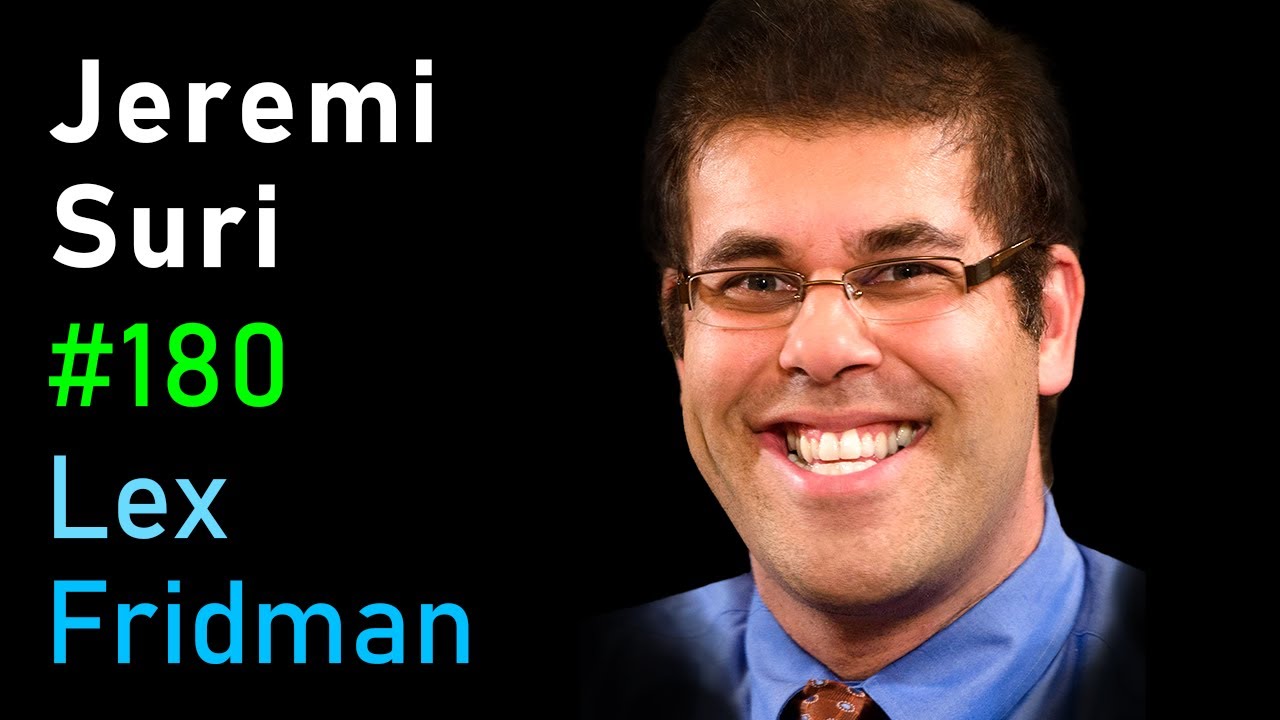
Key Insights
- Lincoln's leadership was transformative, turning politics into an art and giving voice to marginalized groups.
- The presidency's power has grown dangerously, with capabilities like targeted assassinations raising democratic concerns.
- Kissinger's realpolitik focused on power manipulation, often sidelining less powerful nations and drawing human rights criticism.
- The U.S. spent over $2 trillion in Afghanistan with questionable outcomes, highlighting the complexity of military ethics.
- Gun ownership debates should focus on self-defense definitions and weapon types, not just individual rights.
How the conversation moved
The episode begins with a discussion on Abraham Lincoln's leadership, highlighting his ability to transform politics into an art form and his role in giving a voice to marginalized groups. Suri emphasizes Lincoln's unique qualities, such as his mastery of language despite limited formal education and his ability to connect with people through storytelling. This sets the stage for understanding the evolution of American leadership and the foundational principles of the Republican Party, which sought to empower poor white men, slaves, and immigrants.
The conversation then shifts to the evolution of the presidency, focusing on how the power of the office has expanded since Lincoln's time. Suri discusses the modern president's ability to communicate directly with the public through platforms like Twitter, which has changed the dynamics of presidential power and public perception. The discussion raises concerns about the potentially dangerous level of power concentrated in the presidency, including the ability to conduct targeted assassinations, which poses a threat to democratic principles.
Suri delves into Henry Kissinger's realpolitik approach to foreign policy, highlighting his focus on manipulating power dynamics to serve U.S. interests. This strategy, while effective in some respects, often sidelined less powerful nations, drawing criticism from human rights activists. The guest pushes back against the notion that Kissinger's approach was purely effective, arguing that it can be self-defeating and undermine the values it aims to uphold. This tension underscores the ethical complexities inherent in prioritizing national interests over global equity.
The episode concludes with a discussion on the cultural roots of American individualism and the ongoing debate over gun rights. Suri and Lex explore how the U.S.'s foundational ideas of individual freedoms and property rights differentiate it from collectivist cultures. The conversation emphasizes the need for a nuanced discussion about gun ownership, focusing on the definition of self-defense and the types of weapons allowed for that purpose. This pivot highlights the broader theme of balancing individual rights with societal responsibilities, a recurring challenge in American history.
Surprising moments
In-depth
Leadership and Influence
- Lincoln's leadership style transformed politics into an art, emphasizing storytelling and charisma.
- Effective leadership requires listening and understanding, not just speaking.
- Washington's relinquishment of power enhanced his legacy as a statesman.
Presidential Power and Democracy
- The presidency's power has expanded, raising concerns about democratic accountability.
- Direct communication platforms like Twitter have changed how presidents engage with the public.
- The ability to conduct targeted assassinations exemplifies the dangerous growth of presidential power.
Realpolitik and Foreign Policy
- Kissinger's approach prioritized U.S. interests, often at the expense of less powerful nations.
- His diplomatic efforts with China marked a significant shift in U.S. foreign policy.
- Realpolitik involves building alliances among powerful nations while containing adversaries.
Ethics of War and Policy
- The U.S. spent over $2 trillion in Afghanistan with limited success, questioning policy effectiveness.
- A just war requires both a just cause and proportional means to minimize casualties.
- Policymaking should be evaluated continuously to ensure actions are beneficial.
Cultural Individualism and Gun Rights
- American individualism is deeply rooted in cultural and historical contexts.
- Gun ownership debates should focus on self-defense definitions and weapon types.
- Most mass shootings involve weapons not intended for self-defense, highlighting legislative gaps.
Notable Quotes
The power the president has. It's inhuman, actually. And this is one of my critiques of how the office has changed.
Still open
- Suri questions whether the U.S. has learned from its financial and strategic investments in Afghanistan, given the ongoing challenges.
- Lex raises the issue of how to balance individual gun rights with public safety in the context of mass shootings.