New Lex Fridman Insight: Jocko Willink: War, Leadership, and Discipline
Sent June 11, 2026
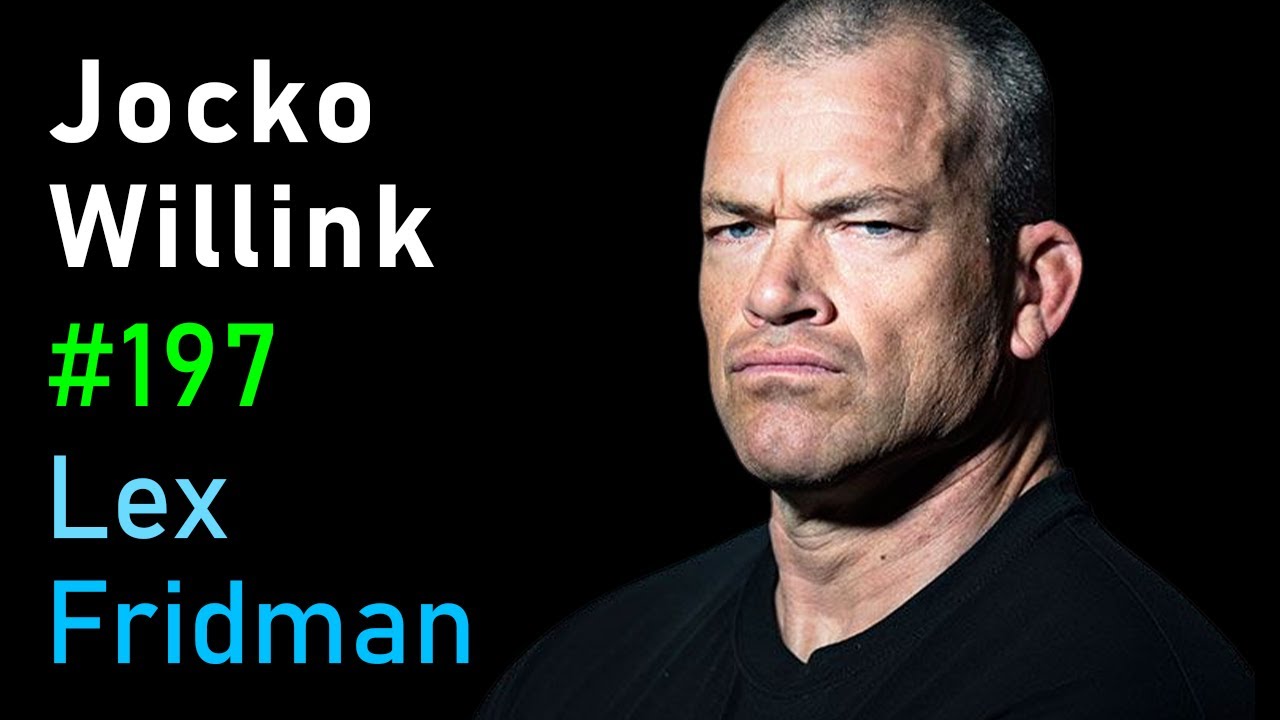
Key Insights
- Jocko Willink argues that true leadership is about inspiring love and respect, not instilling fear, for effective team dynamics.
- Willink highlights the importance of discipline in daily routines, exemplified by his 4:00 AM wake-up and rigorous exercise regimen.
- He believes that dehumanization is a tactic used in war, but argues that leadership can mitigate its effects by focusing on humanizing the enemy.
- Willink expresses skepticism about autonomous weapons, emphasizing the need for human oversight and ethical considerations in AI military applications.
- He contrasts leadership styles, citing Sundar Pichai's humility and listening skills as more effective than Steve Jobs' harshness.
How the conversation moved
The conversation begins with Jocko Willink discussing the deep bonds formed through shared suffering in war, using World War II as a backdrop to illustrate how existential threats can drive nations to adopt attrition warfare strategies. He emphasizes that military training fosters teamwork and reliance on one another, which is crucial for survival in combat situations. This sets the stage for his exploration of leadership dynamics, where he argues that effective leadership is not about instilling fear but about inspiring love and respect among team members.
Willink's main argument revolves around the importance of discipline and leadership in both military and civilian contexts. He cites his own disciplined routine, starting at 4:00 AM, as a psychological and actual win, reinforcing the idea that discipline is foundational to success. He contrasts different leadership styles, praising Sundar Pichai's humility and listening skills over the harshness of leaders like Steve Jobs. This highlights his belief that empathy and collaboration drive better team outcomes than authoritarian approaches.
Lex Fridman challenges Willink's views on leadership by suggesting that fear-based leadership can be effective, prompting Willink to push back. He argues that while fear might achieve short-term compliance, it fails to inspire the long-term dedication and creativity that love and respect foster. This tension underscores the broader debate about the most effective leadership styles, with Willink firmly advocating for a more empathetic and inclusive approach.
The discussion pivots to the ethical implications of autonomous weapon systems, where Willink expresses skepticism about the increasing reliance on AI in military applications. He emphasizes the need for human oversight and ethical considerations, warning of the potential unintended consequences of removing human judgment from warfare. The conversation closes with reflections on the complexities of leadership and the importance of maintaining ethical standards in an increasingly automated world.
Surprising moments
In-depth
War and Leadership
- War creates strong bonds through shared suffering, enhancing teamwork.
- Leadership is crucial in military effectiveness, with bad leaders leading to bad teams.
- Dehumanization is a tactic in war but can be mitigated by strong leadership.
Discipline
- Willink's daily routine exemplifies discipline, starting at 4:00 AM.
- Jiu Jitsu connects different aspects of life, reinforcing discipline.
- Discipline is seen as a psychological and actual win in daily life.
Leadership Styles
- Effective leadership is about inspiring respect, not instilling fear.
- Humility and listening are more effective than harshness in leadership.
- Ego can drive success but needs to be managed to avoid team disruption.
Autonomous Warfare
- Autonomous weapons raise ethical concerns requiring human oversight.
- AI in military applications could lead to unintended consequences.
- Protocols are essential but questioned for their effectiveness.
Notable Quotes
It's awful when a soldier dies. It's awful when a civilian dies. It's awful when 10 civilians or 10 soldiers. And it's even more awful when millions and millions of soldiers and civilians die.
Still open
- Willink questions whether human oversight can effectively manage the ethical dilemmas posed by autonomous weapon systems.