New Lex Fridman Insight: John Abramson: Big Pharma
Sent June 11, 2026
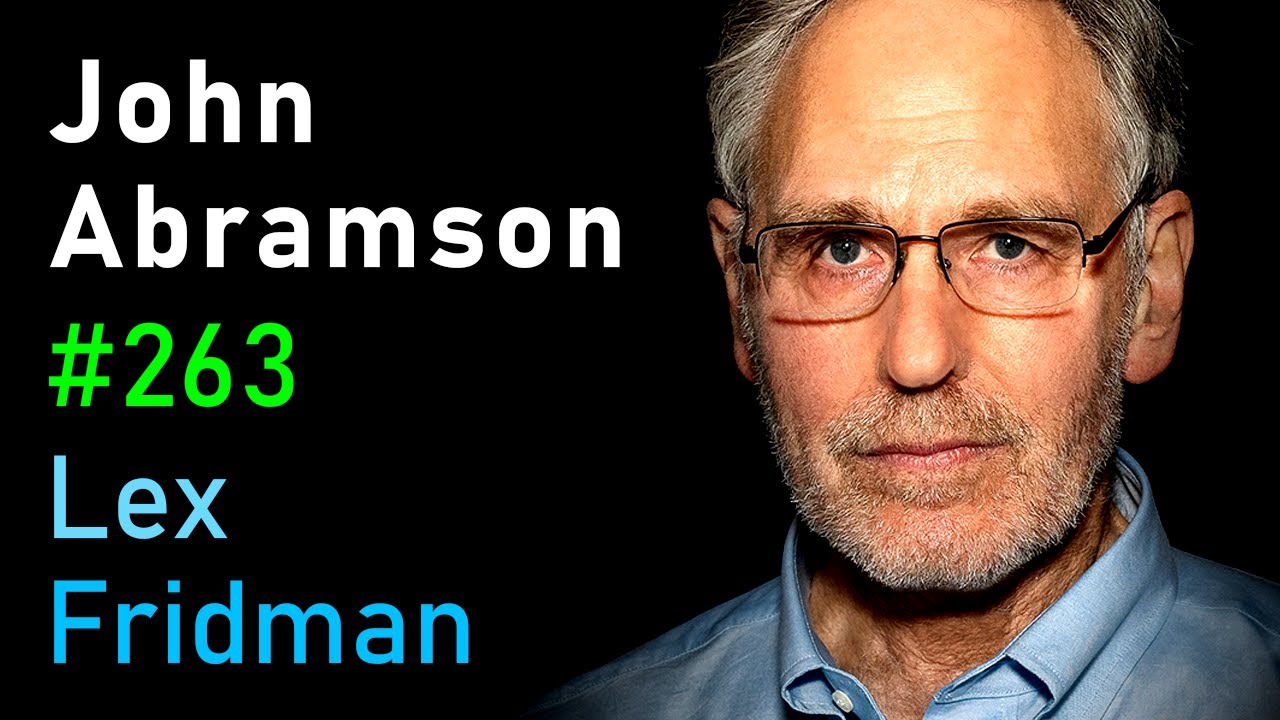
Key Insights
- Pharmaceutical companies prioritize profits over patient health, influencing medical knowledge and treatment decisions.
- From 1991 to 2017, drug companies paid $38 billion in fines, yet continue to misrepresent data.
- Pfizer was found guilty of fraud and racketeering in 2010, highlighting systemic issues.
- The FDA took 55 years to release Pfizer vaccine data, raising transparency concerns.
- 85% of early COVID vaccines went to the first world, leaving Africa with an 8.9% vaccination rate.
How the conversation moved
The episode begins with John Abramson critiquing the pharmaceutical industry's influence on healthcare, particularly how profit motives skew medical knowledge and treatment decisions. Abramson argues that the industry's primary goal is to maximize shareholder returns, which compromises the integrity of medical information that doctors rely on to care for patients. This setup frames the central question of whether the current healthcare system can balance profit and patient care effectively.
Abramson supports his argument with concrete examples, such as the $38 billion in fines paid by drug companies from 1991 to 2017 for misrepresenting data, yet these fines have not deterred unethical practices. He highlights the 2010 case where Pfizer was found guilty of fraud and racketeering, illustrating systemic issues within the industry. Abramson also points out the exorbitant costs of drugs like Trulicity compared to cheaper alternatives like metformin, despite similar efficacy.
Despite the compelling evidence presented, Lex Fridman does not challenge Abramson's framing directly. However, the conversation touches on the broader implications of these practices, such as the lack of independent evaluation of drug efficacy compared to lifestyle changes. The absence of pushback from Lex leaves the critique largely unchallenged, though the conversation implicitly questions whether stronger regulatory measures could address these issues.
The discussion pivots to the topic of data transparency, particularly the FDA's handling of vaccine data. Abramson criticizes the FDA's 55-year delay in releasing Pfizer's vaccine data, suggesting potential regulatory capture. The conversation also explores global vaccine distribution inequalities, with 85% of early vaccines going to the first world, leaving Africa with low vaccination rates. This shift highlights the broader consequences of pharmaceutical practices on global health and the need for reform in both regulatory oversight and healthcare priorities.
Surprising moments
In-depth
Pharmaceutical Influence
- Pharmaceutical companies prioritize profits over patient care.
- Medical knowledge is shaped by industry interests, not patient health.
Regulatory Failures
- Drug companies paid $38 billion in fines without deterring unethical practices.
- Pfizer's 2010 fraud case exemplifies systemic issues in pharma.
Data Transparency
- The FDA's 55-year delay in releasing Pfizer data raises transparency concerns.
- Pfizer's opposition to data release suggests close ties with the FDA.
Vaccine Distribution
- 85% of early vaccines went to the first world, leaving Africa with low rates.
- Unequal distribution risks new COVID variants.
Notable Quotes
The biggest problem is the way they determine the content, the accuracy, and the completeness of what doctors believe to be the full range of knowledge that they need to best take care of their patients.
Still open
- Lex Fridman questioned whether stronger regulatory measures could effectively address the systemic issues in the pharmaceutical industry.
References & Resources
- Sickening by John Abramson — Search
- Overdosed America by John Abramson — Search
- Capitalism and Freedom by Milton Friedman — Search
- Diabetes Prevention Program by NIH — Search
- Vioxx by Merck — Search
- Freedom of Information Act by Unknown — Search
- Operation Warp Speed by U.S. Government — Search
- The Medium is the Message by Marshall McLuhan — Search
- Adjahilm by Biogen — Search
- Sickening by Eric Turner — Search