New Lex Fridman Insight: Jordan Peterson: Life, Death, Power, Fame, and Meaning
Sent June 11, 2026
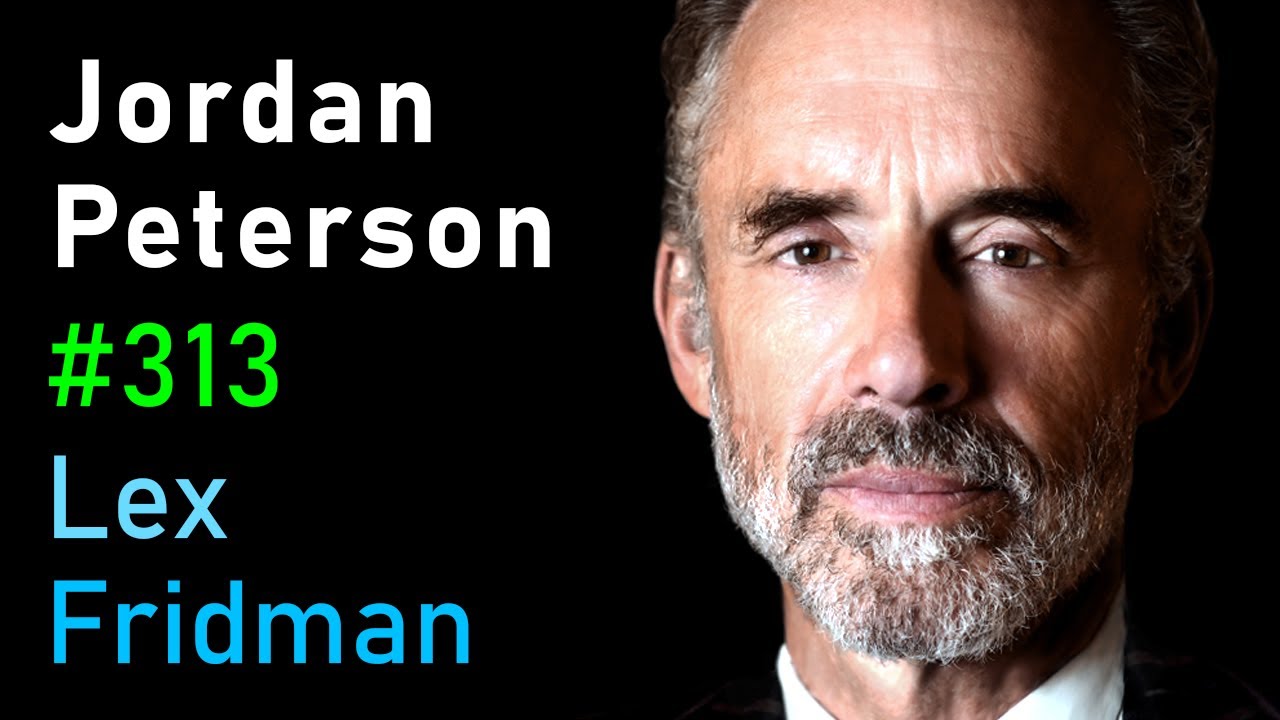
Key Insights
- Peterson argues that beauty is a balance between order and chaos, serving as a pointer to the divine.
- Peterson claims that compassion is a reflex, not a virtue, emphasizing the need for judgment in leadership.
- Trudeau's policies are criticized for harming Canada's oil and gas industry and increasing food prices.
- Peterson views voluntary exposure to fear as curative, contrasting with involuntary suffering.
- Peterson believes fame can corrupt perspective, necessitating critical feedback to maintain integrity.
How the conversation moved
The episode begins with Jordan Peterson exploring the nature of beauty and its connection to the divine. He argues that beauty is not merely about clarity and simplicity but is a balance between order and chaos, serving as a pointer to the divine. This sets the stage for a broader discussion on how art and beauty have influenced human civilization for thousands of years, drawing on the works of Dostoevsky and Solzhenitsyn to emphasize beauty's profound impact. Peterson's initial framing positions beauty as an essential component of understanding and navigating the world, suggesting that it holds a deeper, almost spiritual significance.
Peterson then shifts to critique the relationship between science and belief in the transcendent, arguing that scientific progress necessitates an acknowledgment of a transcendent reality. He challenges the reductionist view of nature, suggesting it presumes too much about reality's nature. In this context, Peterson controversially claims that compassion is a reflex, not a virtue, advocating for the importance of judgment alongside compassion in leadership. This argument is supported by his critique of political ideologies that fail to consider the complexities of human nature and the necessity of a moral framework.
The conversation takes a political turn as Peterson critiques Canadian Prime Minister Justin Trudeau's policies, particularly their impact on the oil and gas industry and Canadian farmers. He argues that these policies are detrimental, leading to increased food prices and disproportionately affecting the poor. This segment highlights Peterson's concern with the real-world implications of political decisions, particularly how they affect the most vulnerable populations. However, there is little pushback from the host, Lex Fridman, on these claims, leaving the critique largely unchallenged in the conversation.
The episode concludes with a reflection on the personal and societal impacts of fame, suffering, and mental health. Peterson discusses the burden of public admiration and the importance of critical feedback to maintain integrity. He also explores the psychological implications of voluntary exposure to fear, suggesting it can be transformative and curative. This ties back to his earlier discussions on the nature of reality and human experience, offering a holistic view of how individuals can navigate life's challenges. The conversation ends with open questions about the balance between personal responsibility and societal influence, leaving room for further exploration.
Surprising moments
In-depth
Beauty and the Divine
- Beauty is a balance between order and chaos.
- Art and beauty have survived for thousands of years.
- Dostoevsky and Solzhenitsyn highlight beauty's importance.
Science and Compassion
- Compassion is a reflex, not a virtue.
- Judgment is crucial in leadership.
- Science requires belief in a transcendent reality.
Political and Economic Critique
- Trudeau's policies harm the oil and gas industry.
- Food prices are rising due to these policies.
- Poor people suffer from elite decisions.
Fame and Personal Integrity
- Fame can corrupt perspective.
- Critical feedback is necessary to maintain integrity.
- Peterson's health improved with a meat-only diet.
Notable Quotes
Beauty is a terrible pointer to God.
Still open
- Lex Fridman asked about the intensity of Peterson's anger and concern about societal issues, questioning if it might drive him off a constructive path.
- Peterson expressed uncertainty about the impact of fame on his perspective and the challenge of maintaining integrity amidst public admiration.
References & Resources
- Maps of Meaning by Jordan Peterson — Search
- 12 Rules for Life by Jordan Peterson — Search
- Beyond Order by Jordan Peterson — Search
- The Idiot by Fyodor Dostoevsky — Search
- Nobel Prize Acceptance Speech by Aleksandr Solzhenitsyn — Search
- The God Delusion by Richard Dawkins — Search
- The Communist Manifesto by Karl Marx — Search
- Putin's speeches by Vladimir Putin — Search
- The Scapegoat by Rene Girard — Search