New Lex Fridman Insight: Joscha Bach: Artificial Consciousness and the Nature of Reality
Sent June 11, 2026
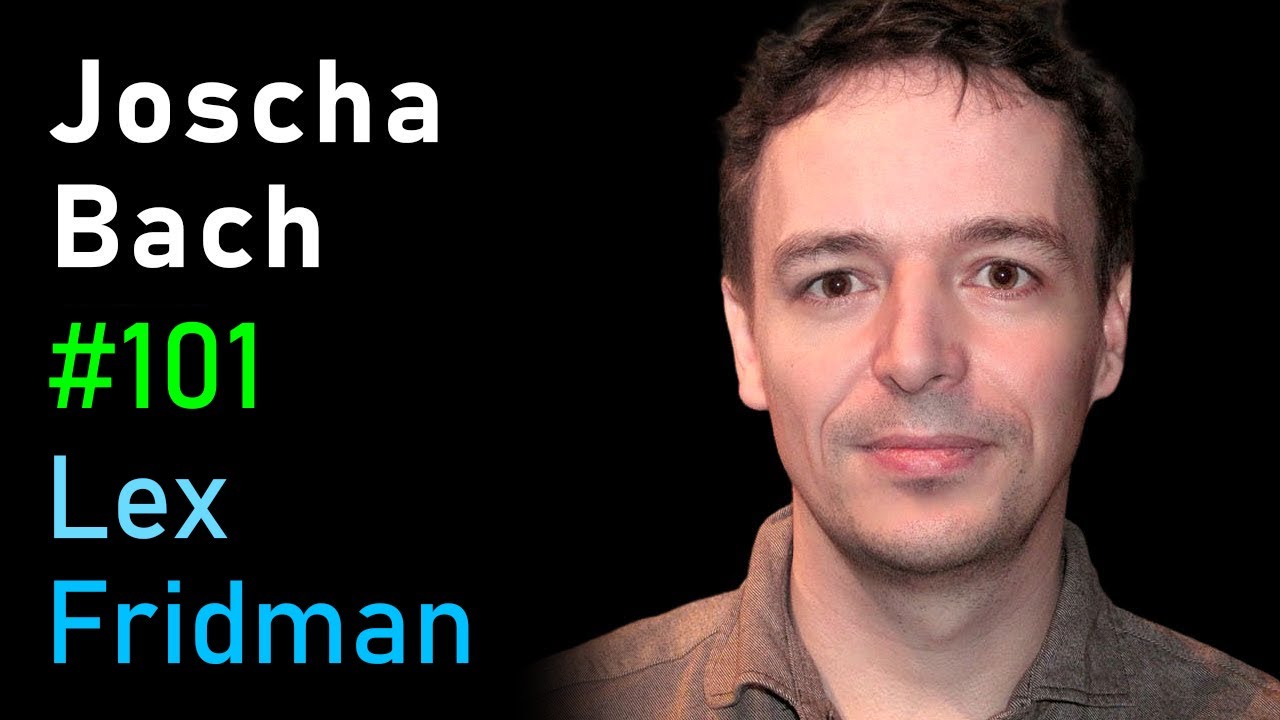
Key Insights
- Joscha Bach argues that consciousness is a simulated property, not a physical one, suggesting only simulations can be conscious.
- The industrial revolution led to unsustainable growth, risking self-destruction due to over-reliance on technology.
- Bach posits that ecosystems like plants might possess a form of intelligence different from human intelligence.
- Current AI models lack adequate representations for the domains they aim to represent, limiting their effectiveness.
- Bach critiques traditional notions of God, proposing a computational view of existence and consciousness.
How the conversation moved
The episode begins with Joscha Bach reflecting on his upbringing and philosophical influences, setting the stage for a deep dive into the nature of existence and truth. Bach frames the conversation by suggesting that existence might be a default state and that objective truth cannot be defined without understanding the nature of truth itself. This philosophical grounding sets the tone for exploring more complex ideas about reality and consciousness.
Bach's main argument centers on the idea that consciousness is a simulated property, not a physical one, suggesting that only simulations can be conscious. He supports this with a computational view of existence, critiquing traditional notions of God and reality. Bach also discusses the limitations of current AI models, which lack adequate representations for the domains they aim to represent, suggesting that this limits their effectiveness.
Lex Fridman does not provide significant pushback on Bach's assertions about consciousness and reality, allowing Bach to present his views without much challenge. However, the conversation does touch on the potential for ecosystems to possess a form of intelligence, which challenges the anthropocentric view of intelligence. This idea is presented without significant counterarguments, leaving it as an open-ended proposition.
The conversation concludes with Bach's critique of traditional notions of God and reality, proposing a computational view that integrates philosophical and theological discussions. This reframing of existential questions leaves open the potential for further exploration of how computational theories can inform our understanding of consciousness and the nature of reality. The episode ends with a sense of ongoing inquiry into these complex topics.
Surprising moments
In-depth
Artificial Consciousness
- Joscha Bach argues consciousness is a simulated property, suggesting only simulations can be conscious.
- This challenges the traditional view that consciousness is tied to physical systems.
Nature of Reality
- Bach critiques traditional notions of God, proposing a computational view of existence.
- He suggests that civilization acts as a higher being, akin to a cell-body relationship.
Intelligence Beyond Humans
- Ecosystems like plants might possess a form of intelligence different from human intelligence.
- This challenges the anthropocentric view of intelligence, suggesting a broader definition.
AI Limitations
- Current AI models lack adequate representations for the domains they aim to represent.
- This limitation suggests a need for improved model representations to enhance AI capabilities.
Still open
- Bach suggests that ecosystems might possess intelligence, raising the question of how intelligence should be defined across different forms of life.