New Lex Fridman Insight: Kate Darling: Social Robots, Ethics, Privacy and the Future of MIT
Sent June 11, 2026
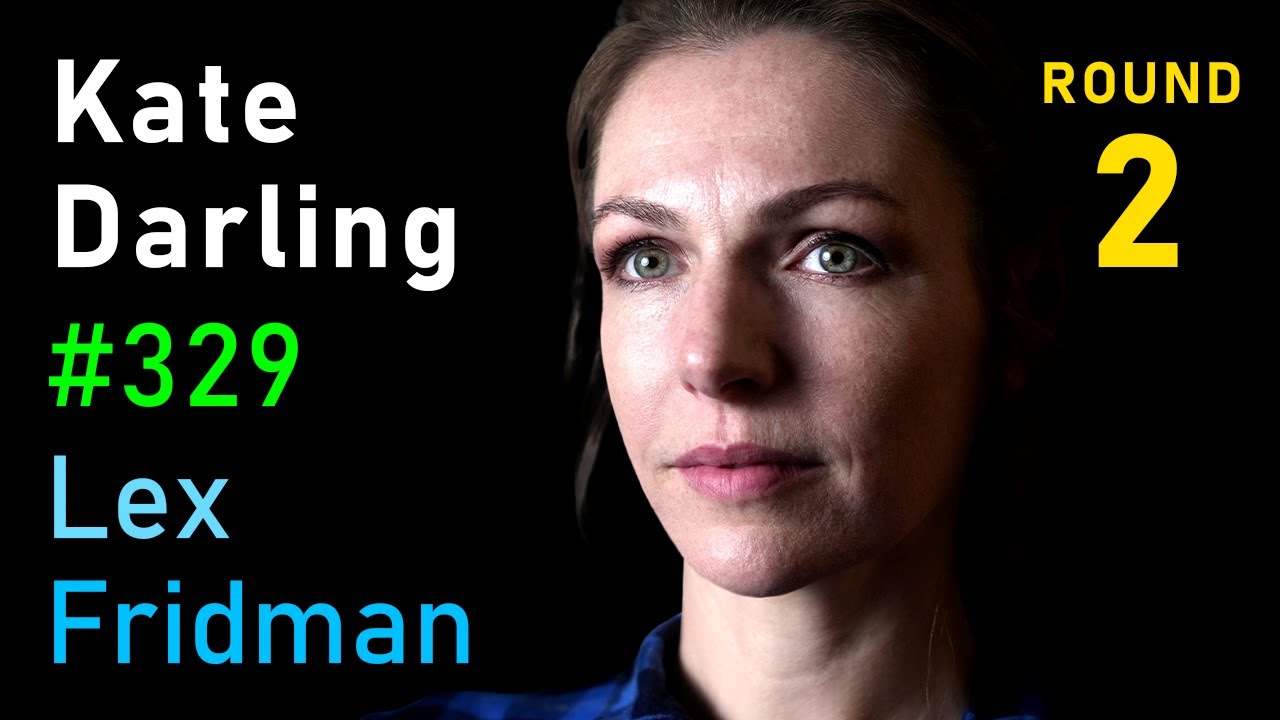
Key Insights
- Kate Darling argues that robots should not be compared to humans but rather to animals, as this reflects historical uses and societal adaptations.
- Negative perceptions of robots like Marty often stem from misunderstandings about their functions, such as being seen as surveillance tools.
- Robots named with female-gendered names often reflect societal biases, particularly in roles associated with care and assistance.
- The future of work will involve robots taking over unsafe jobs, leading to job transformation rather than outright loss.
- Privacy and trust are critical for the success of robotics companies, especially as AI systems are perceived as sentient.
How the conversation moved
The episode begins with Kate Darling discussing the evolving definition of robots, emphasizing the need to move beyond humanoid comparisons. Darling argues that robots should be compared to animals rather than humans, as this reflects historical uses and societal adaptations. This perspective challenges the traditional view of robots as human-like entities and suggests a shift in how we understand and interact with them. Lex Fridman introduces the topic by questioning the limitations of current definitions and how they impact the development and integration of robots into society.
Darling's main argument is that the focus on humanoid robots limits our understanding of their potential applications. She provides evidence by highlighting how societal biases are reflected in robot design, such as naming robots with female-gendered names in caregiving roles. Darling also discusses the challenges of human-robot interaction and the negative perceptions that arise when robots are misunderstood, such as the case with Marty being perceived as a surveillance tool. These points underscore the need for a broader perspective on robot design and functionality.
Lex Fridman does not provide significant pushback on Darling's arguments, but the conversation does touch on the tension between innovation and societal acceptance. A notable moment of friction is when the guest challenges the idea that humor and edginess in design must come at the expense of social sensitivity, arguing for creativity that avoids harm. This highlights the ongoing debate about the ethical implications of robot design and the need for responsible innovation.
The conversation concludes with a discussion on the future of robotics in the workforce and the importance of privacy and trust. Darling emphasizes that robots will transform job roles rather than replace them, requiring new skills and adaptations. The episode ends on the note that successful robotics companies will be those that prioritize privacy and earn public trust, particularly as AI systems become more integrated into daily life. This resolution points to the broader societal implications of robotics and the ethical considerations that must be addressed.
Surprising moments
In-depth
Redefining Robots
- Robots should be compared to animals, not humans, to better understand their roles.
- The definition of robots is evolving and not universally agreed upon.
Social Perceptions of Robots
- Negative perceptions of robots often stem from misunderstandings about their functions.
- Human-robot interaction is crucial for public acceptance of robots.
Gender Bias in Robotics
- Robots with female-gendered names often reflect societal biases in caregiving roles.
- Design decisions in robotics can perpetuate stereotypes.
Robots and the Workforce
- Robots will take over unsafe jobs, leading to job transformation, not loss.
- The future workforce will require new skills as robots integrate into various sectors.
Privacy and Trust in Robotics
- Privacy and trust are critical for the success of robotics companies.
- AI systems' perceived sentience raises ethical and trust issues.
Notable Quotes
I think that's a pretty good technical definition even though it really breaks down when you come to things like the smartphone because the smartphone can do all of those things.
Still open
- What are the implications of robots being perceived as sentient, and how will this affect societal trust?
- How can companies address gender biases in robot design to avoid perpetuating stereotypes?