New Lex Fridman Insight: Kevin Spacey: Power, Controversy, Betrayal, Truth & Love in Film and Life
Sent May 30, 2026
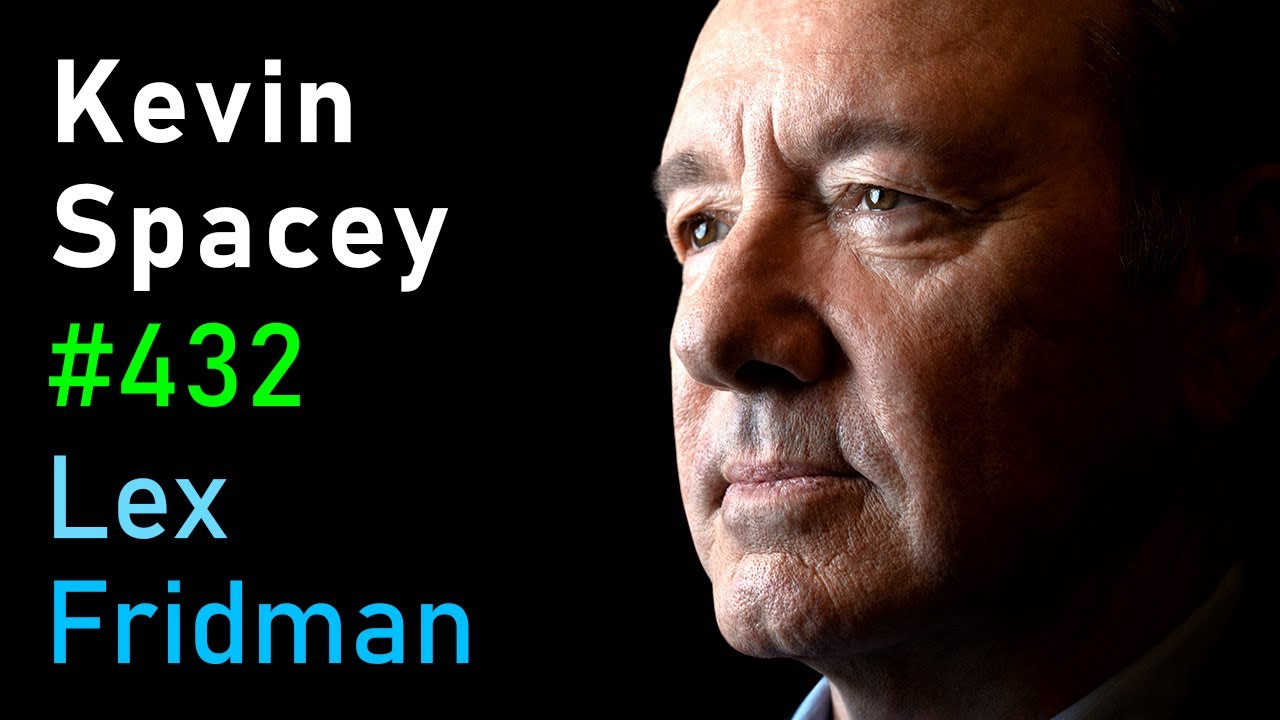
Key Insights
- Kevin Spacey was cast in 'Se7en' last-minute, choosing not to be billed to keep his character's reveal a surprise.
- David Fincher's directing style involves extensive takes, sometimes 25-65 per scene, to achieve naturalism and pace.
- Spacey acknowledges past inappropriate behavior, admitting he was often too pushy in flirting but denies serious allegations.
- The original 'American Beauty' script included a trial scene that was cut, altering the film's narrative focus.
- Spacey credits Jack Lemmon's influence on his acting approach, emphasizing spreading positivity.
How the conversation moved
The episode begins with Lex framing the conversation around the themes of power, controversy, and truth in film and life, with Kevin Spacey reflecting on his unexpected casting in 'Se7en' and the subtlety required in his performance as John Doe. Spacey shares how he was called back to the role after the original actor was fired and chose to forgo billing to maintain the surprise of his character's reveal. This decision highlights the lengths actors and directors go to preserve narrative integrity and audience experience, setting the stage for a deeper exploration of filmmaking and acting philosophies.
Spacey delves into the directing style of David Fincher, emphasizing the importance of naturalism and pace in filmmaking. Fincher is known for his meticulous approach, often requiring 25 to 65 takes per scene to achieve the desired effect, a stark contrast to the industry norm of fewer than 10 takes. This method, while time-consuming, ensures that the final product aligns with the director's vision and maintains the integrity of the narrative. Spacey also discusses the significance of serving the writing, aligning with the director's vision to create a cohesive and impactful performance.
Lex does not challenge Spacey's insights into Fincher's directing style, but there is a moment of tension when Spacey addresses his past behavior. Spacey acknowledges being too pushy in his flirting, a candid admission that touches on the broader issues of accountability and personal growth in the entertainment industry. He denies more serious allegations, arguing that relationships are complex and involve mutual choices, which could be seen as a controversial stance given the current climate of accountability in Hollywood. This moment underscores the complexities of fame and personal responsibility.
The conversation concludes with Spacey reflecting on the influence of Jack Lemmon on his acting philosophy and the creative process behind 'American Beauty.' Spacey credits Lemmon's ethos of spreading positivity and Mendes' theatrical techniques for shaping his approach to acting and character development. The episode closes with Spacey expressing hope for forgiveness and redemption, acknowledging the industry's lack of a clear path for redemption compared to other fields. This resolution leaves open questions about the future of accountability and redemption in the entertainment industry.
Surprising moments
In-depth
Casting and Performance
- Spacey was cast in 'Se7en' last-minute after the original actor was fired.
- He chose not to be billed to maintain the surprise of his character's reveal.
- David Fincher emphasized subtlety in Spacey's portrayal of John Doe.
Directing and Acting Philosophy
- Fincher averages 25-65 takes per scene, focusing on naturalism and pace.
- Spacey believes serving the writing is crucial for an actor's success.
- Improvisation is more common in film than theater, where scripts are paramount.
Influences and Creative Processes
- Jack Lemmon's philosophy of spreading positivity influenced Spacey.
- Sam Mendes used theatrical techniques in 'American Beauty' to evolve characters.
- The original 'American Beauty' script included a trial scene that was cut.
Accountability and Personal Reflection
- Spacey admits to past inappropriate behavior but denies serious allegations.
- He reflects on the impact of his sexuality on his life and career.
- Spacey discusses the complexities of fame and personal accountability.
Notable Quotes
I want to work in such a way that that’s the experience I give to the audience when they first see it, that they have the experience I had when I read it.
Still open
- Spacey questioned whether the entertainment industry will ever establish a clear path for redemption, unlike other fields.
References & Resources
- It Should Happen to You by George Cukor — Search
- Now in the Wings on a World Stage by Sam Mendes — Search
- Glengarry Glen Ross by David Mamet — Search
- Lost in Yonkers by Neil Simon — Search
- A Long Day's Journey Into Night by Eugene O'Neill — Search
- The Apartment by Billy Wilder — Search
- American Beauty by Sam Mendes — Search
- The Iceman Cometh by Eugene O'Neill — Search
- The Godfather by Mario Puzo — Search
- Scent of a Woman by Gioachino Rossini — Search
- Hurlyburly by David Rabe — Search
- Gulag Archipelago by Aleksandr Solzhenitsyn — Search