New Lex Fridman Insight: Keyu Jin: China's Economy, Tariffs, Trade, Trump, Communism & Capitalism
Sent May 30, 2026
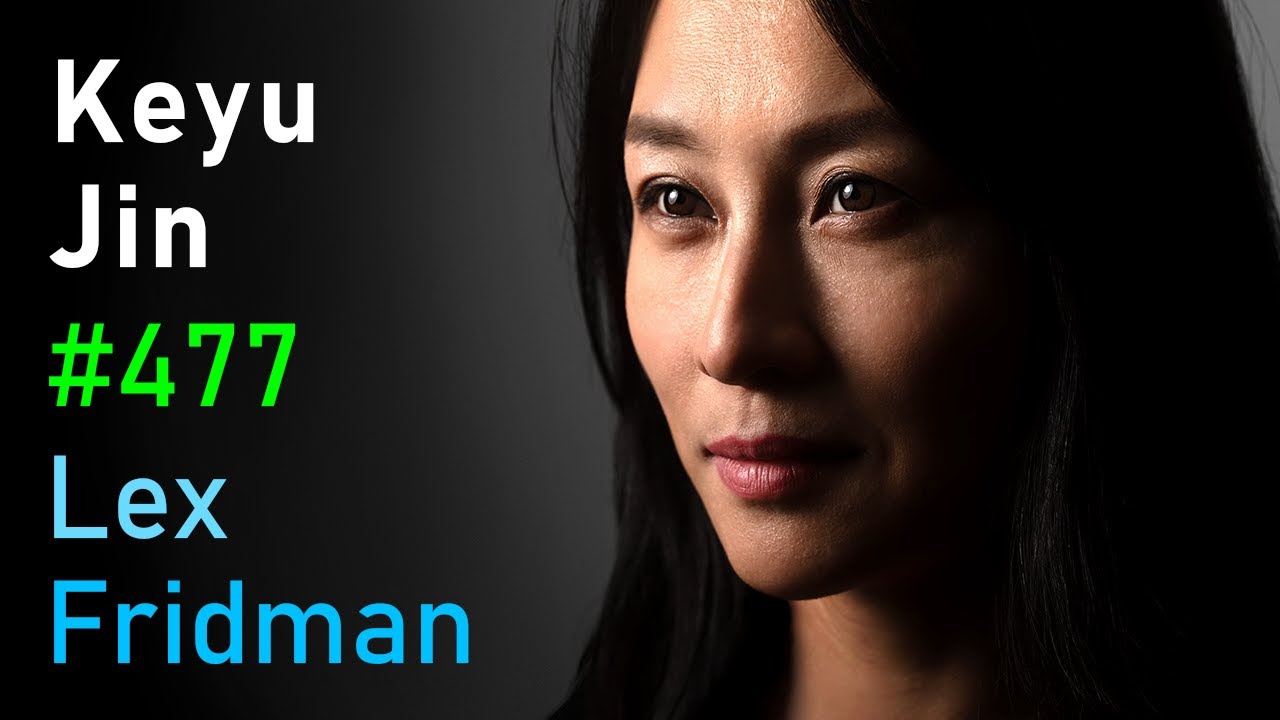
Key Insights
- China's economy is decentralized, with local mayors driving reforms and innovation, despite political centralization.
- Keyu Jin argues China's economic model is more capitalist than perceived, with intense competition and consumer ambition.
- US tariffs have not closed trade deficits with China, highlighting their ineffectiveness in addressing trade imbalances.
- The one-child policy has led to demographic shifts impacting China's labor market and economic dynamics.
- US export controls have inadvertently accelerated China's technological innovation, contrary to their intended effect.
How the conversation moved
Lex Fridman opens the conversation by probing Keyu Jin on the common misconceptions about China's economy, particularly the belief that it is centrally controlled by a few individuals. Jin counters this by explaining the decentralized nature of China's economic power, where local mayors are pivotal in driving reforms and innovation. She emphasizes that this decentralized governance allows for dynamic economic growth and adaptation, contrary to the Western perception of a monolithic, centrally controlled economy.
Jin's main argument is that China's economic model is far more capitalist than many in the West realize, characterized by intense competition and consumer ambition. She provides evidence of China's highly competitive companies and the ambitious nature of its consumers, which she argues are indicative of a capitalist economy. Jin also discusses the role of local governance in incentivizing economic reforms, which has been a significant driver of China's economic success.
Despite the compelling narrative, Lex does not challenge Jin's framing of China's capitalism, though a potential counterpoint could be the ongoing influence of the Communist Party in regulating and directing economic activities. Jin also discusses US tariffs, arguing they have failed to address trade imbalances with China, which could have been an area for deeper exploration or challenge, especially considering the broader geopolitical context.
The conversation concludes with Jin discussing the unintended consequences of US export controls, which have accelerated China's technological innovation rather than hindering it. She notes that these policies have pushed China to rapidly develop its domestic capabilities, particularly in semiconductors. The discussion leaves open questions about the future of US-China trade relations and the potential for policy adjustments in response to these dynamics.
Surprising moments
In-depth
China's Economic Structure
- China's economy is decentralized, relying on local governance for reforms.
- The mayor economy incentivizes aggressive local reforms for personal advancement.
- China's economic model is more capitalist than perceived, with competitive companies.
Trade and Tariffs
- US tariffs have not closed trade deficits with China.
- Historical competition with Japan led to US innovation, not tariffs.
- Tariffs punish foreigners but don't strengthen domestic competitiveness.
Demographic and Social Dynamics
- The one-child policy has led to demographic shifts impacting labor markets.
- Chinese youth rely on intergenerational support for housing.
- Aging economies have become richer due to technology adoption.
Technological Innovation and Export Controls
- US export controls have accelerated China's technological innovation.
- China leverages existing technologies and scales them effectively.
- The gap in leading-edge technologies between China and the US is smaller than expected.
Notable Quotes
The biggest misunderstanding is somehow that a group of people or even just one person runs the entire Chinese economy.
Still open
- Keyu Jin questions whether tariffs can ever effectively address global trade imbalances, given their historical ineffectiveness.