New Lex Fridman Insight: Kyle Vogt: Cruise Automation
Sent June 11, 2026
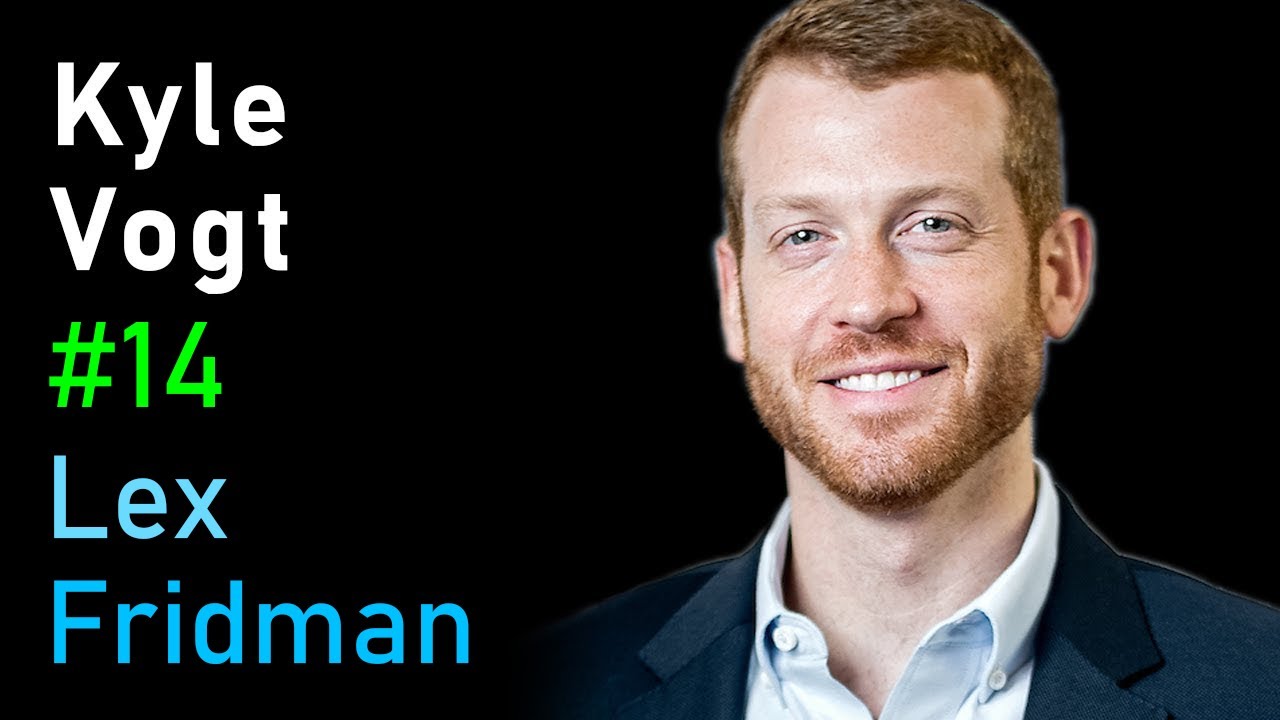
Key Insights
- Kyle Vogt transitioned from BattleBots to autonomous vehicles, realizing computers could handle long highway drives.
- Cruise Automation, founded in 2013 and acquired by GM for $1 billion in 2016, exemplifies the commercial interest in driverless technology.
- Autonomous vehicle development faces challenges in retrofitting existing cars, including safety, liability, and integration complexities.
- Self-driving cars could significantly reduce road rage and stress, potentially lowering societal blood pressure.
- Cruise aims to achieve superhuman performance in autonomous vehicles by 2019, marking a pivotal moment in AI development.
How the conversation moved
The episode begins with Kyle Vogt reflecting on his early experiences with robotics and programming, which eventually led him to develop an interest in autonomous vehicles. Vogt's journey started with building BattleBots, where he applied innovative techniques like using DC motors at higher voltages for increased power output. This experience laid the groundwork for his transition to autonomous vehicles, where he initially focused on automating highway driving, a task he believed computers could handle efficiently. Vogt's early work involved heuristic methods for perception systems, which were later supplanted by deep learning techniques as technology advanced.
Vogt's main argument centers around the significant impact of the DARPA Grand Challenge on the autonomous vehicle industry, which he describes as a catalyst for modern development in the field. He recounts his entrepreneurial journey from MIT to founding Cruise Automation in 2013, which was acquired by GM for $1 billion in 2016. This acquisition underscores the commercial interest in autonomous vehicle technology and highlights the strategic importance of such innovations. Vogt emphasizes the need to address existentially meaningful problems through technology, aiming for direct societal impact and scalability in his ventures.
Despite the enthusiasm, the conversation lacks explicit pushback from the host, missing an opportunity to challenge Vogt on the feasibility and timeline of achieving fully autonomous vehicles. However, Vogt acknowledges the challenges in retrofitting existing cars, citing safety, liability, and integration complexities as significant hurdles. He also notes the cultural differences between traditional automakers and Silicon Valley companies, which can impede collaboration. These challenges highlight the need for integrated solutions rather than piecemeal retrofitting, impacting industry strategies.
The discussion concludes with Vogt's vision for Cruise Automation to achieve superhuman performance in autonomous vehicles by 2019, marking a pivotal moment in AI development. He envisions self-driving cars significantly reducing road rage and stress, potentially lowering societal blood pressure. Vogt is optimistic about the potential for autonomous vehicles to exceed human driving capabilities, suggesting that they could be 20 to 1,000 times better over time. The conversation leaves open questions about the timeline for deploying autonomous vehicles at scale and the societal implications of such advancements.
Surprising moments
In-depth
Transition to Autonomous Vehicles
- Vogt's interest in robotics led to exploring autonomous vehicles.
- He realized computers could handle highway driving.
- BattleBots experience informed his approach to automation.
Cruise Automation's Strategic Importance
- Cruise was founded in 2013 and acquired by GM in 2016.
- The acquisition reflects the significant commercial interest in autonomous driving technology.
- Cruise's development was influenced by the DARPA Grand Challenge.
Challenges in Retrofitting Vehicles
- Retrofitting existing cars presents significant challenges.
- Safety, liability, and integration complexities are key issues.
- Cultural differences impact collaboration between tech and auto industries.
Societal Benefits of Autonomous Vehicles
- Self-driving cars could reduce road rage and stress.
- Potential to lower societal blood pressure by reducing stress.
- Autonomous vehicles could exceed human driving performance.
Notable Quotes
I think the idea of, you know, this radio controlled machine that can do various things, if it has like a weapon or something was pretty interesting.
Still open
- Vogt leaves open the timeline for deploying hundreds of thousands of autonomous vehicles, acknowledging environmental challenges.
- The societal implications of significantly reducing road rage and stress through autonomous vehicles remain uncertain.