New Lex Fridman Insight: Magatte Wade: Africa, Capitalism, Communism, and the Future of Humanity
Sent June 11, 2026
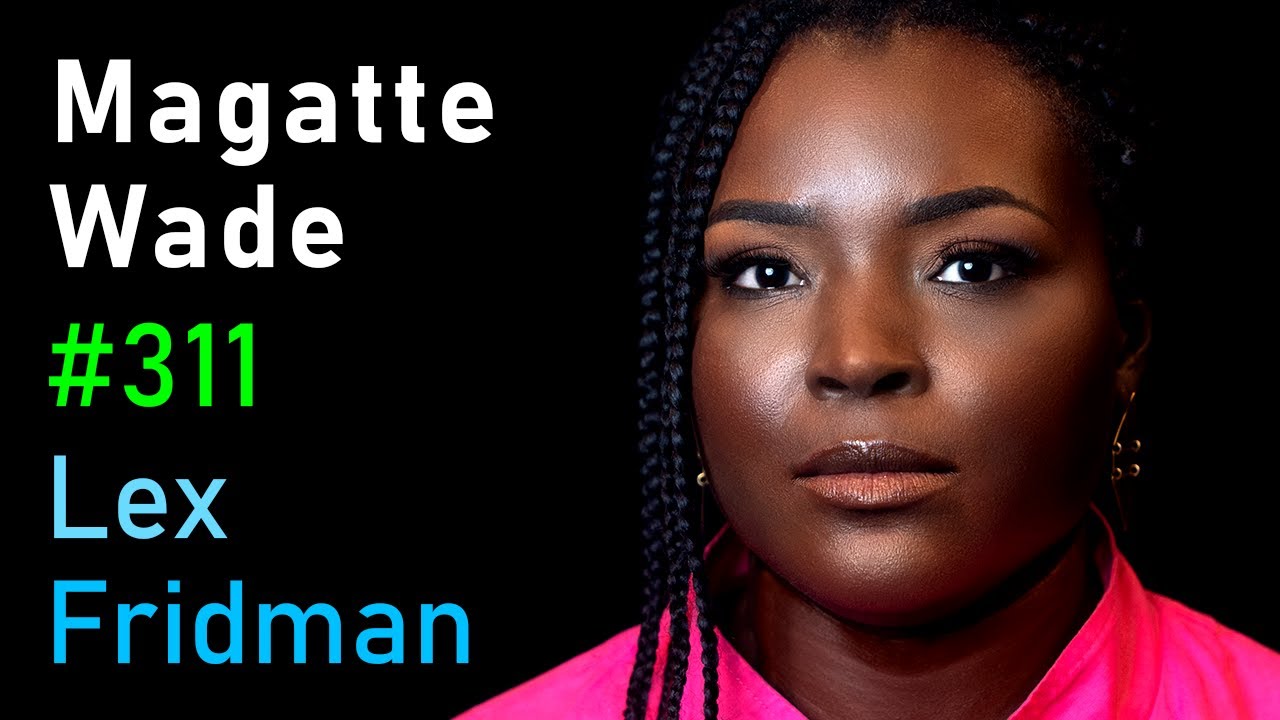
Key Insights
- Magatte Wade argues that Africa remains impoverished due to overregulation, not a lack of resources.
- High tariffs and restrictive trade policies significantly hinder African entrepreneurs from competing globally.
- Wade critiques the Black Lives Matter movement for its Marxist leanings, arguing it undermines economic empowerment.
- Africa's youth population is a potential economic powerhouse if systemic barriers are removed.
- Startup cities with innovative legal frameworks could unlock Africa's economic potential.
How the conversation moved
The episode begins with Lex introducing Magatte Wade and setting the stage for a discussion on Africa's economic challenges and potential. Wade opens by emphasizing the importance of free markets for prosperity, critiquing how regulations often harm those they intend to help. She frames Africa's struggle not as a resource issue but as a regulatory one, where overregulation stifles economic growth and entrepreneurship. Wade highlights the cultural value of hospitality in Senegal and how it contrasts with the bureaucratic hurdles faced by entrepreneurs.
Wade argues that Africa's economic potential is hindered by high tariffs and restrictive trade policies, which make it difficult for local entrepreneurs to compete globally. She draws parallels between Africa's situation and historical examples of economic disparity, such as the differences between East and West Germany. Wade asserts that economic freedom is more crucial than political systems for growth, advocating for reforms that would enable Africa to emulate the success of the Asian Tigers.
Lex does not significantly challenge Wade's framing of Africa's economic issues, though Wade herself critiques the Black Lives Matter movement for its Marxist leanings, arguing that it undermines economic empowerment. This moment of tension highlights Wade's belief that ideological movements should not overshadow the need for economic growth and empowerment. The discussion also touches on the potential of Africa's youth, with Wade expressing optimism about their ability to drive future prosperity if systemic barriers are removed.
The conversation concludes with a focus on potential solutions, including the concept of startup cities with innovative legal frameworks to foster economic growth. Wade shares her personal journey and the role of capitalism in empowering African entrepreneurs, arguing against charity and for business development support. The episode ends on a hopeful note, with Wade envisioning a future where Africa's young population can thrive in a reformed economic environment, turning the continent into a global powerhouse.
Surprising moments
In-depth
Economic Freedom in Africa
- Africa's poverty is attributed to overregulation rather than a lack of resources.
- High tariffs and restrictive trade policies hinder African entrepreneurs.
- Economic freedom is crucial for unlocking Africa's potential.
- Startup cities could offer legal frameworks to foster economic growth.
Cultural and Historical Context
- Africa is the birthplace of humanity, influencing global identity.
- Historical experiences of slavery and colonization shape African identity.
- Cultural attitudes towards entrepreneurship vary significantly between regions.
Critique of Ideological Movements
- Wade critiques the Black Lives Matter movement for its Marxist leanings.
- Traditional anti-racism efforts are seen as ineffective without economic empowerment.
Notable Quotes
Having a heart for the poor, that's easy. Having a mind for the poor, that's the challenge.
Still open
- Wade questions whether Africa can implement economic reforms quickly enough to capitalize on its young population's potential.
- The guest wonders if startup cities can effectively bypass national regulatory constraints to foster economic growth.