New Lex Fridman Insight: Manolis Kellis: Biology of Disease
Sent June 11, 2026
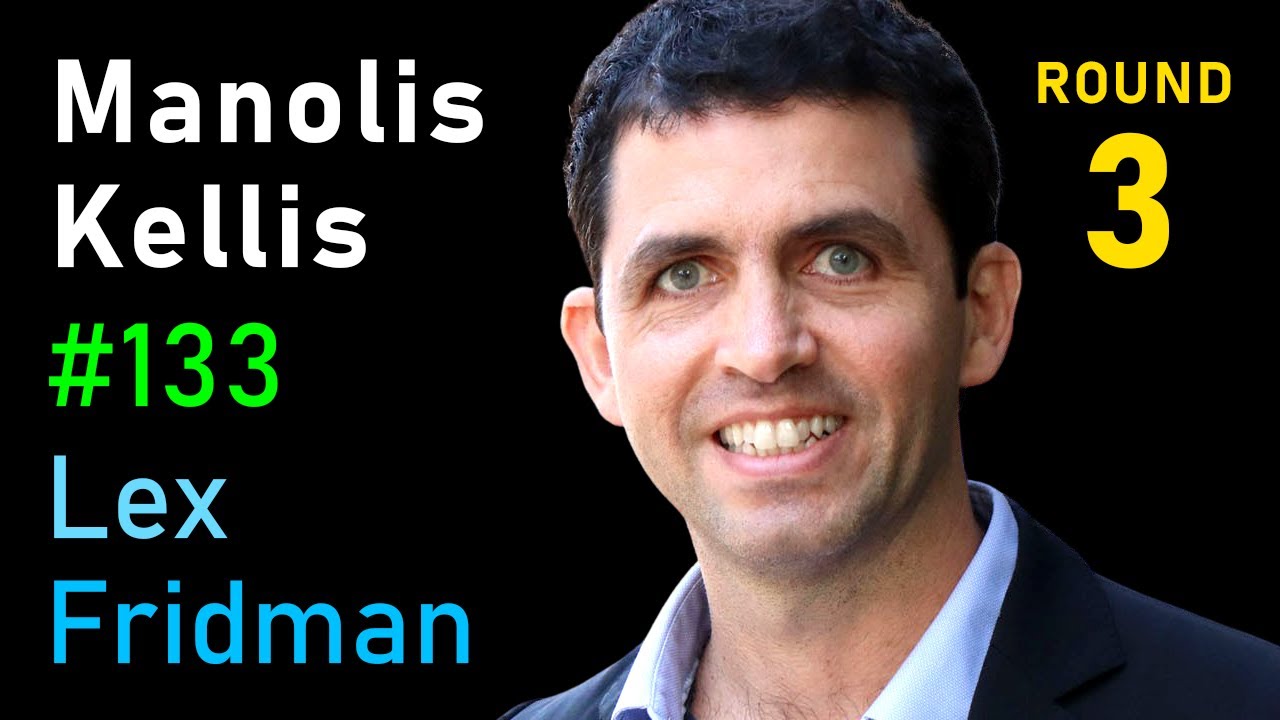
Key Insights
- Manolis Kellis argues that understanding human disease requires embracing the complexity of genetic variants beyond protein-coding genes.
- CRISPR technology revolutionizes genome editing by simplifying the guiding process, not the cutting or fixing.
- The FTO gene, once misunderstood, is linked to obesity through distant gene regulation involving IRX3 and IRX5.
- Alzheimer's disease genetics indicate significant roles for microglia, not neurons or astrocytes, in disease progression.
How the conversation moved
The episode begins with Lex framing the challenge of understanding human disease through the lens of genetic complexity, as Manolis Kellis describes the vast number of genetic perturbations each person carries. Kellis emphasizes that the complexity of human disease is akin to that of the human genome and immune system, with 6 million unique genetic variants per person acting as potential health perturbations. He argues that genetic epidemiology can help establish causality by correlating genetic changes with phenotypic differences, moving beyond traditional family pedigree studies to large cohort analyses.
Kellis then delves into the revolutionary impact of CRISPR technology on genome editing, highlighting its simplicity in guiding RNA sequences to target specific DNA regions. Unlike older methods requiring complex protein engineering, CRISPR allows for straightforward design of RNA guides, streamlining the editing process. Kellis explains that this ease of use accelerates research and therapeutic development, as it enables precise genome edits without the need for extensive protein manipulation. Prime editing, a newer CRISPR technique, offers even more precision by making single-stranded DNA breaks.
Despite the transformative potential of CRISPR, Kellis faces no direct pushback from Lex, who seems to accept the guest's assertions about its revolutionary nature. However, a point of tension arises when discussing the FTO gene's role in obesity. Kellis reveals that previous assumptions about FTO were incorrect; it actually regulates distant genes IRX3 and IRX5, which are crucial for lipid metabolism and thermogenesis. This revelation challenges the conventional understanding of genetic regulation, highlighting the need to consider non-coding regions and distant gene interactions.
The conversation shifts to Alzheimer's disease, where Kellis presents surprising findings about the role of microglia in disease progression. Contrary to the neuron-centric view, genetic studies show that microglia, the brain's immune cells, are significantly enriched in Alzheimer's samples. This suggests a shift in focus for potential treatments, emphasizing the interconnectedness of genetic pathways across various diseases. The episode concludes with Kellis advocating for a holistic approach to disease research, integrating genetic, metabolic, and environmental factors to develop more effective interventions.
Surprising moments
In-depth
Genetic Complexity in Disease
- Human disease complexity rivals that of the human genome and immune system.
- 6 million genetic variants per person act as perturbations affecting health.
- 93% of disease-associated variants lie outside protein-coding regions.
CRISPR Technology
- CRISPR simplifies genome editing by using RNA guides instead of complex protein engineering.
- Prime editing allows for precise single-stranded DNA edits.
Obesity and Genetic Regulation
- The FTO gene regulates obesity through distant genes IRX3 and IRX5.
- 42% of European chromosomes predispose individuals to fat storage.
Alzheimer's Disease Genetics
- Microglia are significantly enriched in Alzheimer's samples, indicating a key role.
- Genetic studies show interconnectedness of various diseases through shared genetic pathways.
Notable Quotes
Understanding human disease is the most complex challenge in modern science.
Still open
- Kellis questions how the interconnectedness of genetic pathways across diseases will impact future treatment strategies.