New Lex Fridman Insight: Manolis Kellis: Meaning of Life, the Universe, and Everything
Sent June 11, 2026
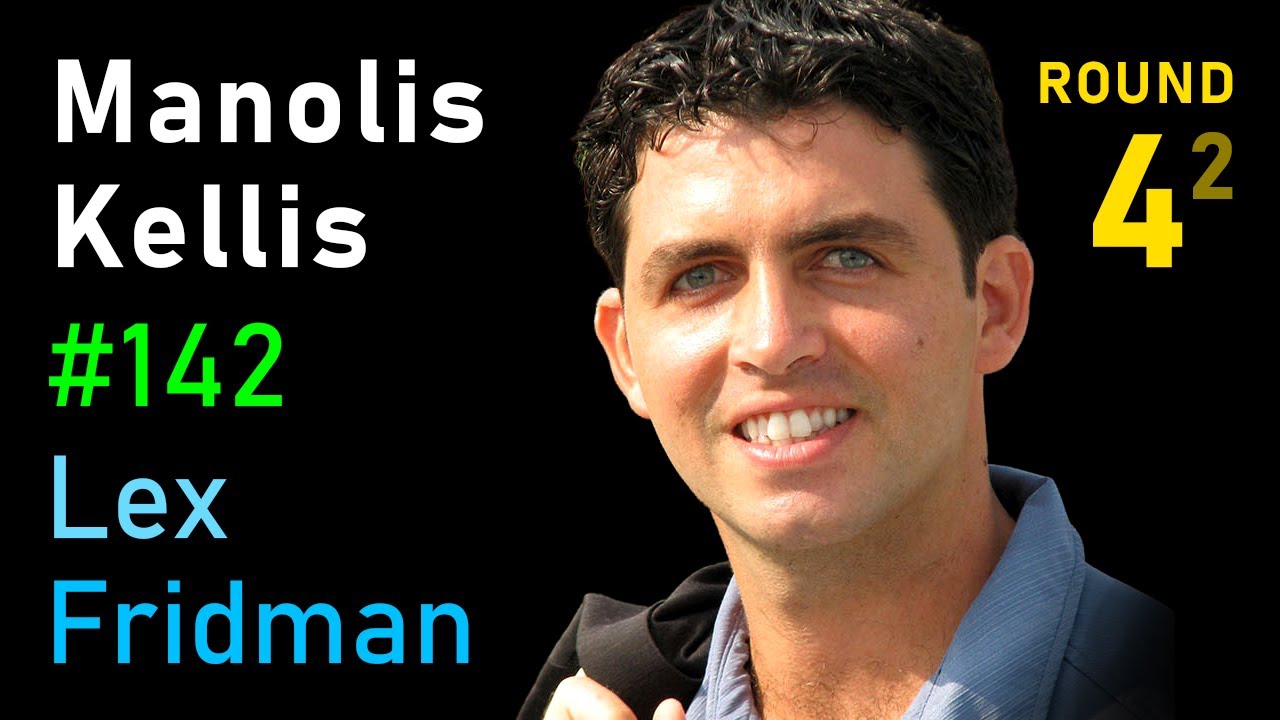
Key Insights
- Manolis Kellis argues that language evolved after music, suggesting early human cognition was tied to musical rituals.
- The asteroid Apophis poses a significant threat to Earth in 48 years, with potential catastrophic impacts.
- AI systems may achieve self-awareness and hardware improvement, mirroring human cognitive evolution.
- The number 42 holds symbolic significance in various contexts, including its role in the creation of rainbows and magic cubes.
- Human cognitive evolution may not have been inevitable, as suggested by the longevity of dinosaurs and the Fermi Paradox.
How the conversation moved
The episode begins with Manolis Kellis discussing the profound impact of music on his life and its connection to language and cognitive evolution. Kellis argues that language evolved after music, suggesting that early human cognitive development was closely tied to musical rituals and mating displays. This sets the stage for a broader exploration of how artistic expression and creativity are interconnected with intelligence, challenging traditional views that prioritize language as the primary driver of cognitive evolution.
Kellis then shifts the conversation to the evolution of human cognition and culture, contrasting it with the capabilities of dinosaurs and discussing the potential future of humanity. He highlights the concept of neoteny, which allows for exponential growth in human cognitive abilities, and the role of central governance in reducing violence and suffering. The discussion also touches on existential threats, such as the asteroid Apophis, and the rapid development of COVID-19 vaccines as examples of technological advancement and knowledge sharing.
The conversation moves to the comparison of human consciousness with AI, exploring the potential for AI systems to achieve self-awareness and improve their hardware. Kellis suggests that the complexity of human cognition arises from a small number of genes, with emergent behavior playing a significant role. He posits that the future of AI may not require fundamentally new architectures but rather more hardware to achieve general intelligence, similar to the evolution from GPT-2 to GPT-3. Lex didn't challenge the framing here, though the obvious counter-position would be the ethical implications of AI self-awareness.
Finally, the discussion delves into the significance of the number 42 and the search for meaning in life. Kellis explores the symbolic significance of 42 in various contexts, including its role in the creation of rainbows and magic cubes, as well as its cultural references. The conversation concludes with reflections on human evolution, the Fermi Paradox, and the potential for intelligent life in the universe. The episode leaves open questions about the uniqueness of human intelligence and the sustainability of cognitive evolution in the face of existential threats.
Surprising moments
In-depth
Music and Cognitive Evolution
- Manolis Kellis argues that language evolved after music, suggesting early human cognition was tied to musical rituals.
- Kellis posits that artistic expression is essential for cognitive capabilities, asserting that creativity is interconnected with intelligence.
Existential Threats and Technological Advancements
- The asteroid Apophis poses a significant threat to Earth in 48 years, with potential catastrophic impacts.
- The rapid development of COVID-19 vaccines demonstrates the power of knowledge sharing and technological advancement.
AI and Human Cognition
- AI systems may achieve self-awareness and hardware improvement, mirroring human cognitive evolution.
- The complexity of human cognition arises from a small number of genes, with emergent behavior contributing significantly to our cognitive functions.
Symbolism of 42 and the Search for Meaning
- The number 42 holds symbolic significance in various contexts, including its role in the creation of rainbows and magic cubes.
- The search for meaning in life is inherent to human nature and is what makes life beautiful.
Human Evolution and the Fermi Paradox
- Human cognitive evolution may not have been inevitable, as suggested by the longevity of dinosaurs and the Fermi Paradox.
- The Fermi Paradox posits that intelligent civilizations may be destroyed by great filters, questioning the sustainability of human cognitive evolution.
Notable Quotes
In my view, language comes after music. Language comes after song.
Still open
- Kellis raises the question of whether human cognitive evolution was inevitable or a unique occurrence in the universe.
- The episode explores whether AI systems could achieve self-awareness and what ethical implications this would entail.