New Lex Fridman Insight: Marc Raibert: Boston Dynamics and the Future of Robotics
Sent May 30, 2026
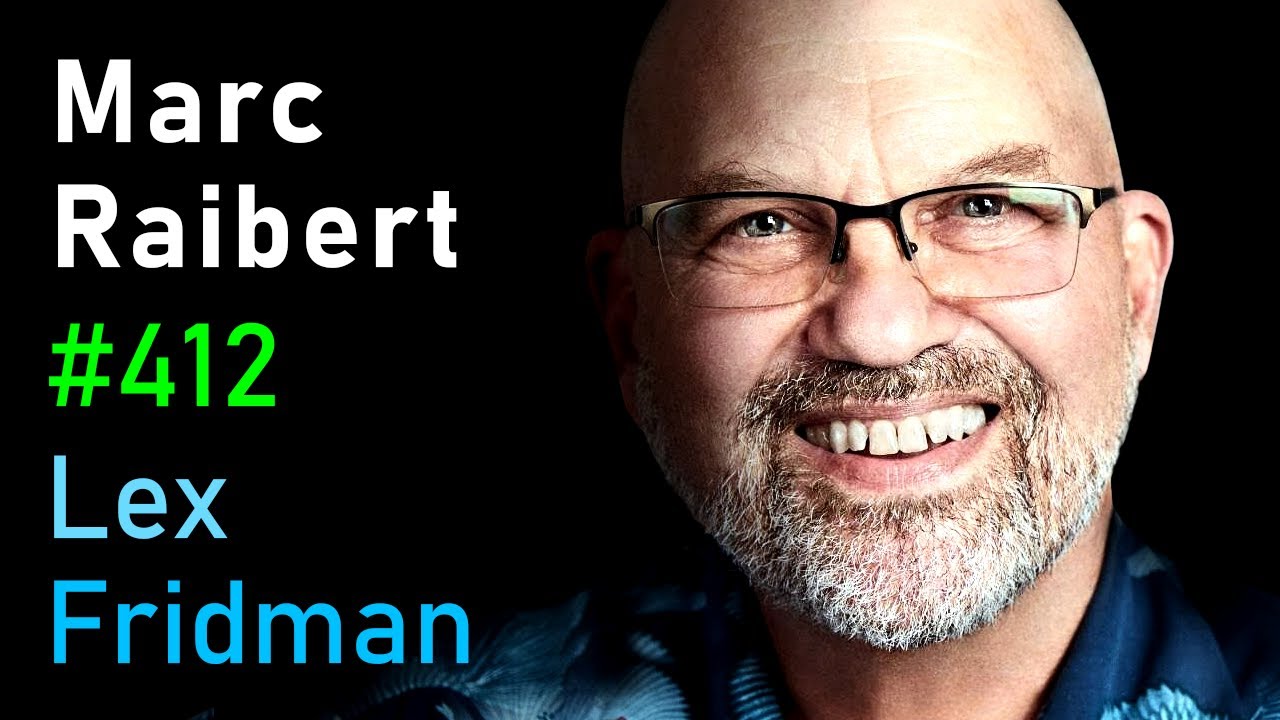
Key Insights
- Marc Raibert's approach to robotics emphasizes aggressive movement, contrasting with the cautiousness of many existing robots.
- Boston Dynamics transitioned from hydraulic to electric power, leading to the development of Spot, designed to be less intimidating.
- Raibert believes humanoid robots, despite early skepticism, have significant public engagement value.
- Technical fearlessness and incremental progress are key to Boston Dynamics' innovation strategy.
- Raibert argues that the fear of superintelligent AI is overstated, focusing instead on balancing opportunities and risks.
How the conversation moved
Lex Fridman opens the conversation by framing the central question around the future of robotics, particularly focusing on Boston Dynamics' contributions. Marc Raibert, the guest, begins by recounting the development of legged robots, emphasizing the philosophy of aggressive movement over cautiousness. This sets the stage for a discussion on how Boston Dynamics has approached robotics differently, challenging conventional design philosophies by focusing on dynamic and agile robots.
Raibert's main argument centers around the importance of hardware innovation and public engagement in robotics. He provides concrete evidence by discussing projects like BigDog and Spot, highlighting their design transitions from hydraulic to electric power. Raibert argues that humanoid robots, initially met with skepticism, have proven to be valuable for public engagement, which he believes is crucial for the broader acceptance of robotics in society.
During the discussion, Raibert pushes back against the notion that humanoid robots were not worth pursuing, arguing that they have significant public engagement value. Lex doesn't challenge Raibert's framing of technical fearlessness and incremental progress as key to innovation, though a potential counter-position could be that such an approach might overlook the need for immediate practical applications. However, Raibert's emphasis on balancing opportunities and risks in AI development provides a counter-narrative to the prevalent fear of superintelligent AI.
The conversation concludes with Raibert discussing the future of robotics and AI, emphasizing the importance of balancing opportunities and risks rather than succumbing to fear. He highlights the need for robots to combine athletic intelligence with cognitive intelligence to improve their functionality. The discussion leaves open questions about how cognitive functions can be effectively demonstrated in robots, marking an area for future exploration.
Surprising moments
In-depth
Robotics Design Philosophy
- Raibert's approach focuses on aggressive movement rather than cautiousness.
- Early legged robots like BigDog were designed to carry heavy loads, testing limits.
- Raibert's work emphasizes the importance of hardware innovation.
Transition to Electric Robots
- Boston Dynamics shifted from hydraulic to electric power with Spot.
- Spot was designed to be less intimidating and more user-friendly.
- This transition marked a strategic shift in robot design.
Public Engagement with Robots
- Humanoid robots initially faced skepticism but proved valuable for public engagement.
- Robots like Spot attract public interest and interaction.
- Public perception of robots can drive broader acceptance.
Innovation and Incremental Progress
- Technical fearlessness is key to tackling complex problems.
- Incremental progress allows for tangible results and motivation.
- Boston Dynamics uses a 'stepping stones to moonshots' approach.
AI and Robotics
- Raibert argues the fear of superintelligent AI is overstated.
- Focus should be on balancing opportunities and risks in AI development.
- AI policy should prioritize practical development over fear.
Notable Quotes
We had it carrying about 1,000 pounds at one time.
Still open
- Raibert acknowledges the difficulty of demonstrating cognitive function in robots, stating it's an area he hasn't quite figured out yet.