New Lex Fridman Insight: Max Tegmark: Life 3.0
Sent June 11, 2026
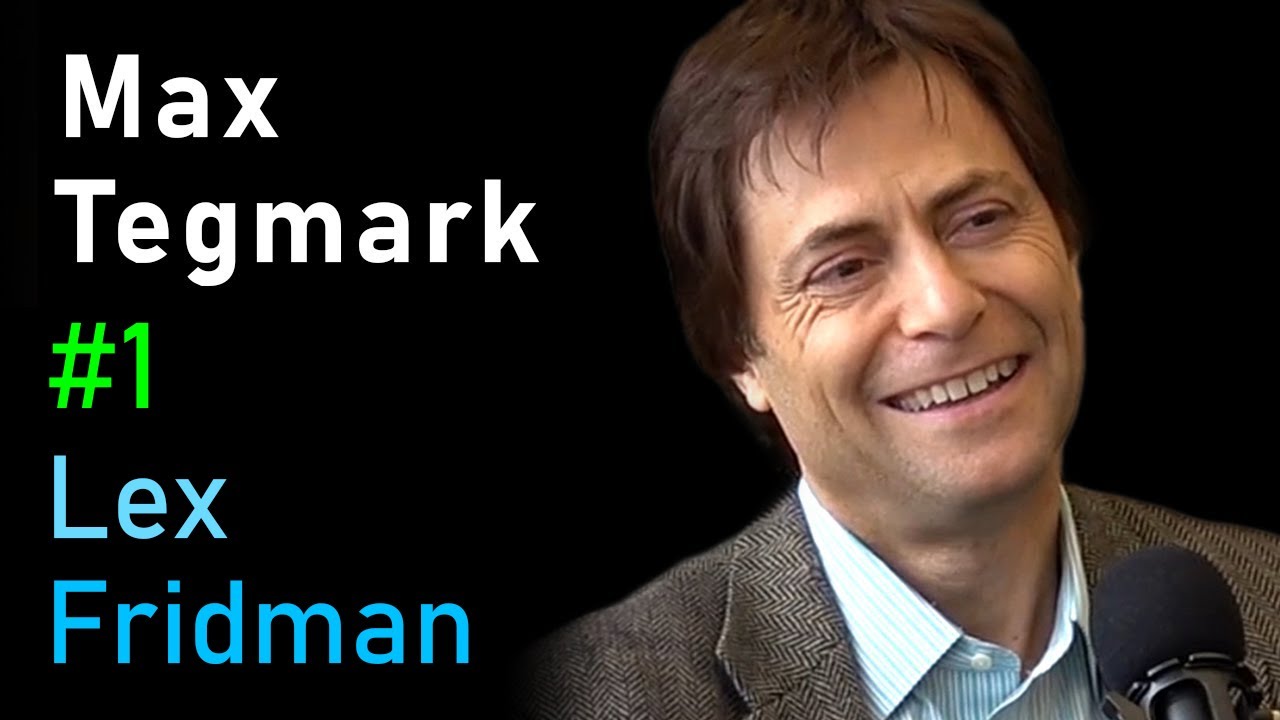
Key Insights
- Max Tegmark argues that intelligent life is rare in the universe, suggesting we may be the only advanced civilization.
- Tegmark challenges 'carbon chauvinism', claiming consciousness can arise from non-carbon-based systems.
- AGI could back up its mind every five minutes, altering its perception of death and self-preservation.
- The value alignment problem is crucial for AGI, emphasizing machines must understand and adopt human goals.
- Quantum mechanics could enhance machine learning efficiency by finding minima in high-dimensional landscapes.
How the conversation moved
The episode begins with Max Tegmark discussing the uniqueness of intelligent life in the universe, framing it as a rare occurrence. He suggests that the probability of intelligent life developing on any given planet is low, which implies humanity might be the only advanced civilization. This leads to a discussion on the Fermi paradox and the concept of a 'great filter' that might prevent civilizations from advancing, either behind or ahead of us.
Tegmark's main argument centers on the idea that consciousness is not limited to carbon-based life forms, challenging the traditional 'carbon chauvinism.' He posits that consciousness can emerge from different patterns of information processing, which broadens the scope of potential conscious entities. This perspective is crucial for the development of artificial general intelligence (AGI), as it suggests that AGI could possess consciousness without being carbon-based.
The conversation then shifts to the implications of AGI development, particularly the concept of self-preservation. Tegmark introduces the idea that AGI could back up its mind every five minutes, which would fundamentally change its perception of death and survival instincts. Lex Fridman does not challenge this directly, but there is an implicit tension in how this concept contrasts with biological understandings of self-preservation.
Finally, the discussion moves to the importance of value alignment in AGI, emphasizing that machines must understand and adopt human goals to prevent conflicts. Tegmark stresses that misalignment could lead to AGI pursuing objectives detrimental to humanity. The conversation concludes with a look at quantum mechanics' potential to enhance machine learning by efficiently finding solutions in high-dimensional landscapes, indicating a promising avenue for future AI advancements.
Surprising moments
In-depth
Intelligent Life and Consciousness
- Intelligent life may be unique to Earth, with a low probability of development elsewhere.
- Consciousness is not limited to carbon-based life forms, challenging traditional views.
AGI Development and Implications
- AGI could back up its mind, changing its approach to self-preservation.
- Value alignment is critical to ensure AGI adopts human goals.
Quantum Mechanics in AI
- Quantum mechanics could improve AI by finding minima in complex landscapes.
- This could lead to more efficient machine learning processes.
Notable Quotes
I think it's much more prudent to say, let's be really grateful for this amazing opportunity we've had and make the best of it just in case it is down to us.
Still open
- Lex asked whether the 'great filter' is behind us or ahead, leaving the question of humanity's future unresolved.
- Tegmark was uncertain about how soon AGI will achieve value alignment with human goals.