New Lex Fridman Insight: Michael Malice: Anarchy, Democracy, Libertarianism, Love, and Trolling
Sent June 11, 2026
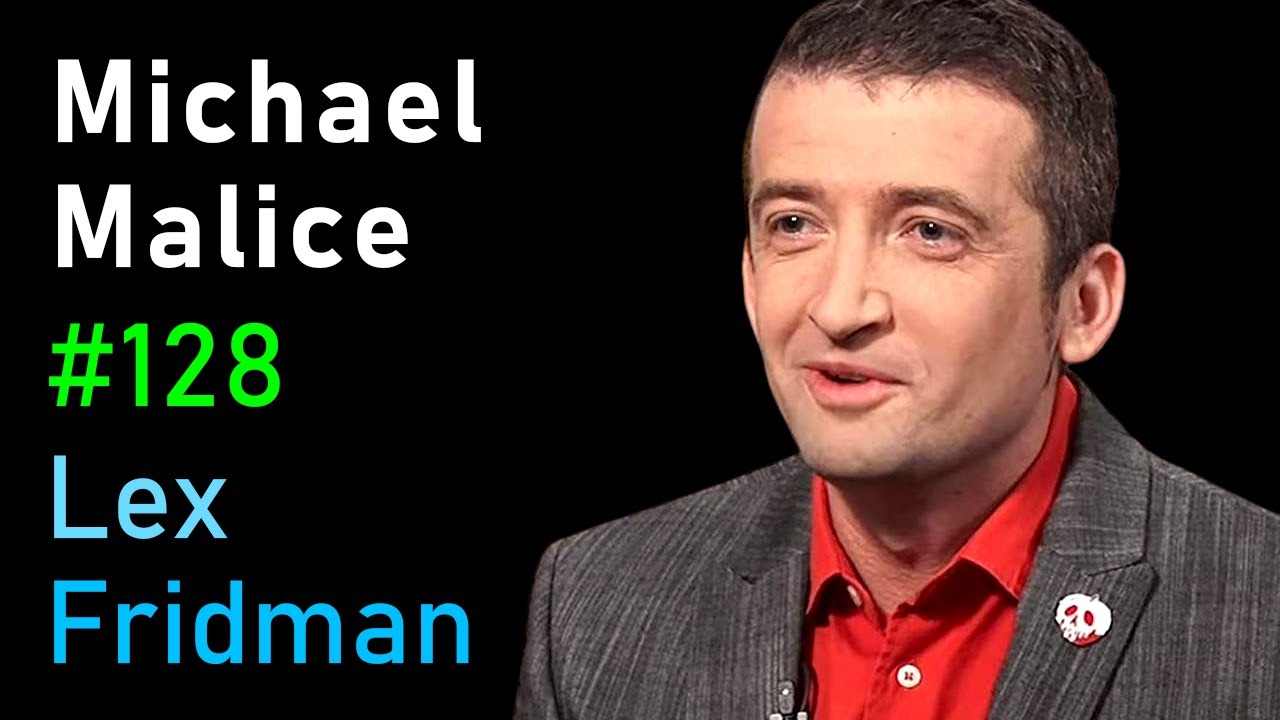
Key Insights
- Michael Malice argues that anarchism, unlike democracy, doesn't require leaders, making it more adaptable and less corruptible.
- Mockery and trolling are seen by Malice as effective tools against power structures, as they undermine authority without direct confrontation.
- Malice contends that conspiracy theories are often used to dismiss valid ideas, citing historical examples like the Constitutional Convention.
- The COVID-19 lockdowns revealed how much state control the public would tolerate, potentially leading to future abuses of power.
- Libertarian ideas, such as criticism of the Patriot Act, have gained traction across political lines, highlighting a shift in mainstream acceptance.
How the conversation moved
Lex Fridman opens the conversation by framing the discussion around the concepts of anarchy, democracy, and libertarianism, asking Michael Malice to elaborate on his views. Malice begins by contrasting democracy and anarchism, arguing that anarchism doesn't require leaders and thus avoids the pitfalls of corruption inherent in democratic systems. He uses language as an example of an anarchic system that functions effectively without centralized control, suggesting that society could operate similarly.
Malice then shifts the conversation to the role of mockery and trolling as tools of resistance against power structures. He argues that these methods can undermine authority by making figures of power appear ridiculous, thus reducing their influence. Malice suggests that this form of social commentary is more effective than direct confrontation, as it allows individuals to challenge societal norms without engaging in conflict. He cites social media as a platform where this dynamic plays out regularly.
Lex challenges Malice's view on the constructive nature of mockery, suggesting it could escalate conflicts rather than resolve them. Malice counters by emphasizing the historical context of conspiracy theories, arguing that they are often used to dismiss legitimate ideas, such as those during the Constitutional Convention. This exchange highlights the tension between using humor as a tool for social change and the potential for it to backfire.
The conversation concludes with a discussion on the implications of state control, particularly in light of the COVID-19 lockdowns. Malice warns that the public's compliance during the pandemic could lead to future abuses of power. He also notes the increasing acceptance of libertarian ideas, such as criticism of the Patriot Act, across political lines. This shift, he argues, reflects a growing skepticism towards government overreach and suggests a potential realignment of political ideologies.
Surprising moments
In-depth
Anarchism vs. Democracy
- Anarchism doesn't require leaders, reducing corruption.
- Democracy's flaw is that unqualified individuals choose leaders.
- Language is an example of an anarchic system that works.
Mockery and Trolling
- Mockery undermines authority without direct confrontation.
- Trolling empowers low-status individuals through humor.
Conspiracy Theories
- Conspiracy theories dismiss valid ideas, like the Constitutional Convention.
- Perceptions of societal collapse recur every 20 years.
State Control and Libertarianism
- Lockdowns showed public tolerance for state control.
- Libertarian criticism of the Patriot Act gained traction.
Notable Quotes
If I'm at someone's house that's not my own, and someone knocks on the door, I wouldn't even think to answer it.
Still open
- Malice questioned whether the public's compliance during the COVID-19 lockdowns could lead to future abuses of power.
- Lex asked if mockery could truly be a constructive form of resistance without escalating conflicts.