New Lex Fridman Insight: Michael Malice: Freedom, Hope, and Happiness Amidst Chaos
Sent June 11, 2026
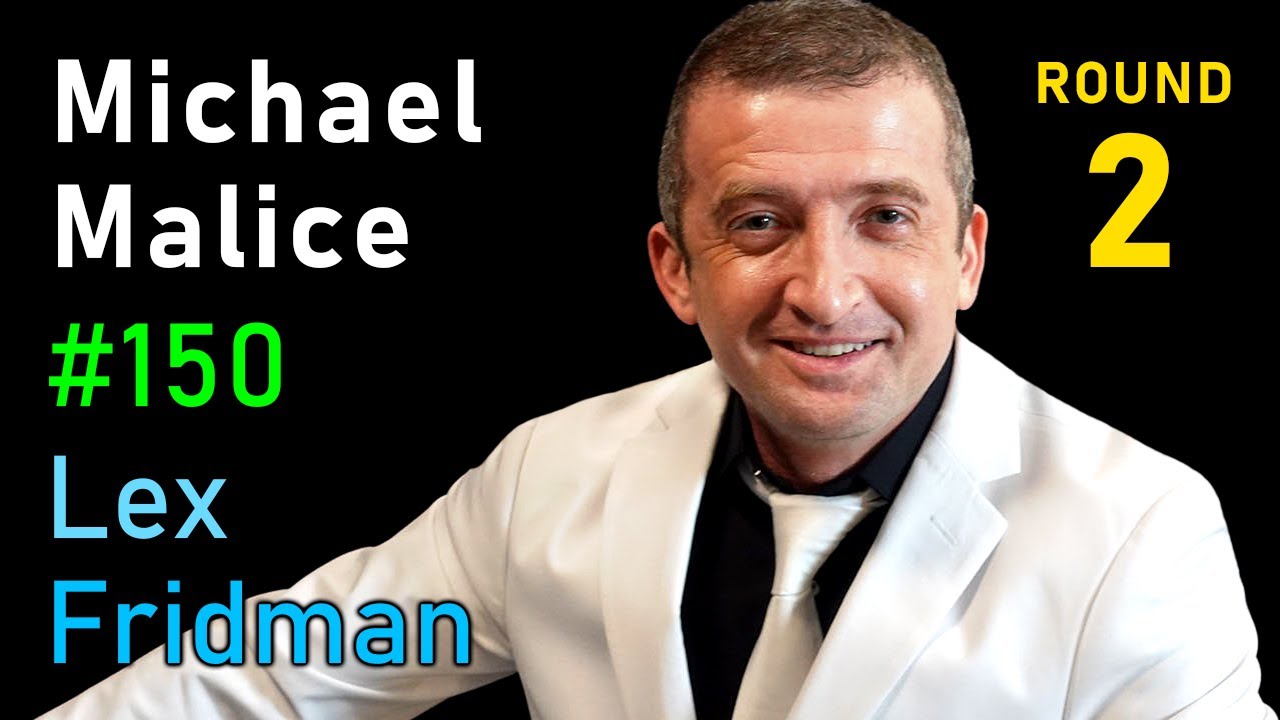
Key Insights
- Michael Malice argues that humor is essential in political discourse to maintain sanity amidst chaos.
- Malice suggests that the U.S. should have strategically delayed entering WWII to let Hitler and Stalin weaken each other.
- Curtis Yarvin's ideas challenge liberal democracy, sparking debates on free speech and controversial discourse.
- Self-publishing offers authors six times the revenue of traditional publishing, with faster release timelines.
- Malice emphasizes the importance of great speeches in inspiring and shaping political narratives.
How the conversation moved
The conversation begins with Michael Malice discussing the importance of humor in political discourse, framing it as a tool to maintain sanity amidst chaos. Malice argues that humor and self-awareness are crucial in navigating today's polarized political landscape, emphasizing that cynicism is the enemy. He shares his experiences with Alex Jones, noting that humor helps create a calm atmosphere in intense discussions. This sets the stage for exploring how humor can be a powerful mechanism for diffusing tension and promoting open dialogue.
Malice then shifts to a controversial take on World War II, suggesting that the United States should have strategically delayed its entry into the war. He argues that allowing Hitler and Stalin to weaken each other could have been a more effective approach, challenging the conventional narrative of immediate intervention post-Pearl Harbor. This perspective invites a reevaluation of historical military strategies and highlights the complexities of wartime decision-making.
The conversation takes a turn as Malice explores the ideas of Curtis Yarvin, whose perspectives challenge the foundations of liberal democracy. Yarvin's controversial views on race and intelligence spark debates on free speech and the boundaries of acceptable discourse. Despite the potential for backlash, Malice defends the importance of engaging with heretical ideas to test the limits of ideological debates, underscoring the tension between free speech and societal norms.
The discussion concludes with Malice highlighting the advantages of self-publishing over traditional publishing, emphasizing the financial and temporal benefits for authors. He notes that self-publishing can yield six times the revenue and allow for faster release timelines, empowering authors to bypass traditional gatekeepers. The conversation wraps up with a focus on the power of political speeches, which Malice believes are vital for inspiring and shaping public narratives, closing on the importance of effective communication in leadership.
Surprising moments
In-depth
Humor and Self-Awareness
- Malice uses humor as a tool to create a calm atmosphere during intense conversations.
- He believes maintaining a childlike perspective is crucial in media culture.
- Malice argues that humor mitigates pain and suffering.
World War II Strategic Alternatives
- Malice suggests the U.S. should have delayed entering WWII to let Axis powers weaken each other.
- This perspective challenges the conventional narrative of immediate intervention post-Pearl Harbor.
Controversial Discourse and Free Speech
- Curtis Yarvin's ideas challenge the foundations of liberal democracy.
- The term 'racist' is often used to shut down discussions about controversial figures.
- Yarvin distances himself from white nationalism despite controversial views on race.
Publishing Industry Dynamics
- Self-publishing can yield significantly more revenue than traditional publishing.
- Authors can release books faster through self-publishing, bypassing lengthy traditional timelines.
Political Speeches and Influence
- Malice argues that great speeches are vital for inspiring and shaping public opinion.
- He criticizes the marginalization of antiwar candidates in political discourse.
Notable Quotes
If you judge someone's ideas by how they appear instead of the ideas themselves, you're not someone I want on my team.
Still open
- Malice questions whether the U.S. should have delayed entering WWII, leaving the strategic implications open for debate.
- The conversation leaves unresolved how free speech should be balanced with societal norms when discussing controversial figures like Curtis Yarvin.