New Lex Fridman Insight: Michael Malice: Thanksgiving Pirate Special
Sent May 30, 2026
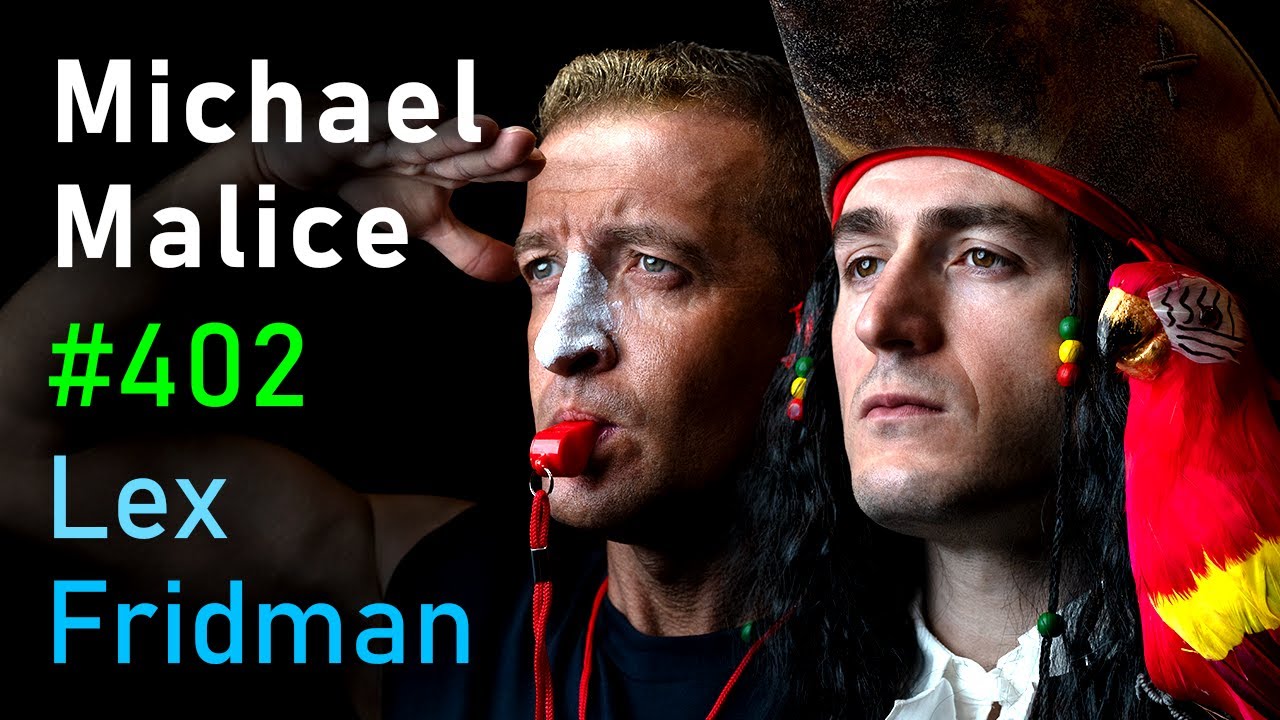
Key Insights
- Michael Malice argues that humor is a powerful tool for coping with oppressive regimes, citing North Korea as an example.
- Malice believes that personal connections are crucial in combating bigotry, as knowing individuals from marginalized groups challenges stereotypes.
- He claims that social media is a cheaper form of influence than threats, using Covid as an example of societal pressure through persuasion.
- Malice asserts that contemporary art is often meaningful and accessible, countering the notion that it is predominantly abstract or expensive.
How the conversation moved
The episode begins with Michael Malice exploring the role of humor in society, particularly how it serves as a coping mechanism in oppressive regimes like North Korea. He argues that humor provides a universal form of relief and connection, even in the darkest circumstances. Malice highlights the skill required to make people laugh about intense topics, suggesting that this ability offers a temporary escape from reality. This sets the stage for a broader discussion on the power of humor and its place in human resilience.
Malice then delves into the importance of personal connections in combating bigotry, asserting that knowing someone from a marginalized group can challenge and change prejudiced views. He emphasizes that personal relationships are more effective than societal measures in reducing stereotypes. This argument is supported by his observations on various cultural groups that have historically contributed to comedy, suggesting that humor can bridge divides and foster understanding.
Lex Fridman challenges Malice's notion that most people are fundamentally deranged, proposing instead that there is an inherent desire in humans to do good. Malice counters by arguing that while humans are capable of profound goodness, it is not the norm. This tension reveals differing views on human nature, with Malice maintaining a more cynical perspective compared to Fridman's optimistic outlook. The conversation highlights the complexities of human behavior and morality.
The discussion concludes with Malice addressing the influence of social media and contemporary art. He argues that social media is a more cost-effective means of influence than threats, using the Covid pandemic as an example of societal pressure driven by persuasion. Malice also defends contemporary art, claiming it is often meaningful and accessible, countering the stereotype of it being abstract and expensive. The episode ends with a reflection on the value of art and media in shaping cultural perceptions.
Surprising moments
In-depth
Humor in Oppression
- Humor provides relief from intense topics, showcasing skill.
- North Koreans maintain humor despite oppression.
Social Media Influence
- Social media is cheaper than threats for influence.
- Covid exemplifies societal pressure through persuasion.
Contemporary Art
- Contemporary art is meaningful and affordable.
- Art galleries support young artists creating beauty.
Notable Quotes
When you make people laugh, you’re giving them a little vacation.
Still open
- Malice questioned whether social media's influence will continue to surpass traditional forms of control.
- Lex asked Malice if his cynicism about human nature affects his personal relationships.
References & Resources
- Dear Reader by Michael Malice — Search
- The New Right by Michael Malice — Search
- The Anarchist Handbook by Michael Malice — Search
- The White Pill by Michael Malice — Search
- YOUR WELCOME by Michael Malice — Search
- Police State by Dinesh D’Souza — Search
- American Splendor by Harvey Pekar — Search
- Gulag Archipelago by Aleksandr Solzhenitsyn — Search
- The Satanization of the Jews by Camille Paglia — Search