New Lex Fridman Insight: Michael Mina: Rapid Testing, Viruses, and the Engineering Mindset
Sent June 11, 2026
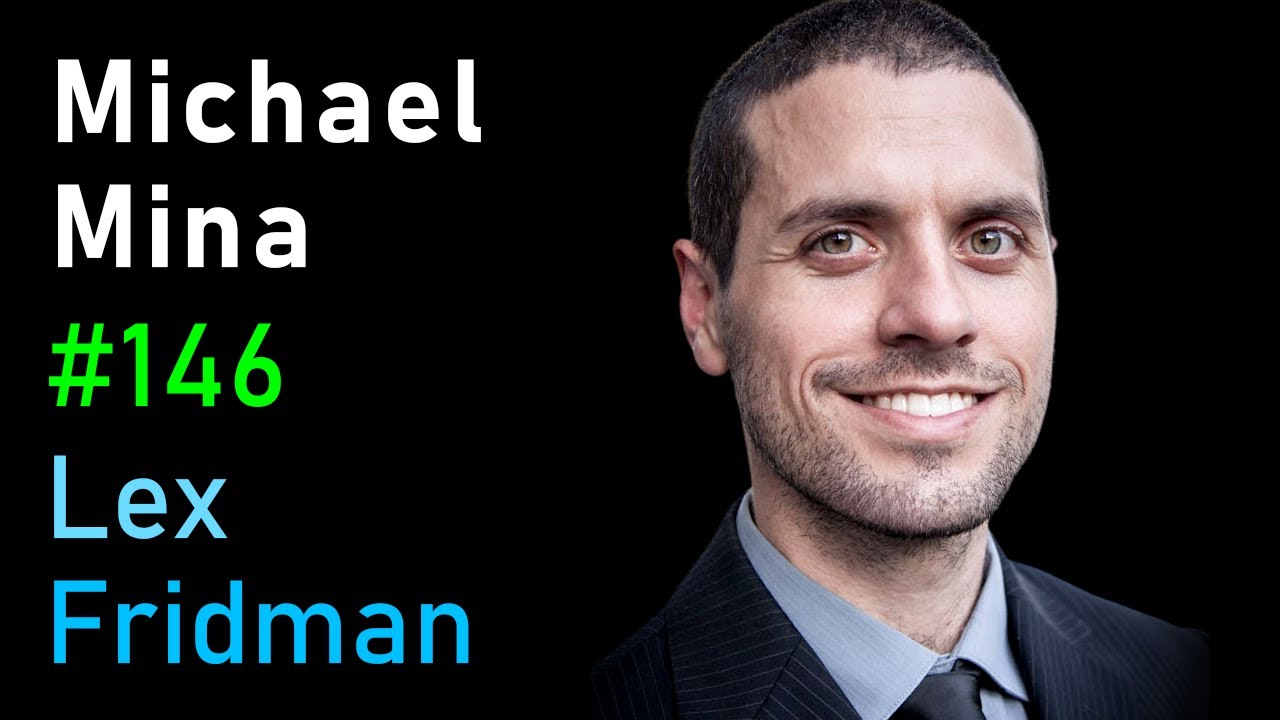
Key Insights
- Rapid at-home COVID-19 tests can achieve 99% sensitivity and specificity for detecting infectious virus.
- The FDA's regulatory framework hinders the deployment of rapid tests as public health tools.
- A global immunological observatory could track viruses like a weather system, enhancing pandemic preparedness.
- Machine learning can reverse engineer protein folding, potentially revolutionizing medicine.
- 40% of Americans distrust the COVID vaccine, complicating public health efforts.
How the conversation moved
The conversation began with Michael Mina framing the central question of how rapid testing could be a game-changer in controlling the COVID-19 pandemic. He argued that rapid at-home tests, with their high sensitivity and specificity, could significantly reduce virus transmission if deployed widely. Mina emphasized that the key to controlling the virus lies in breaking the chain of transmission, which these tests could achieve by identifying infectious individuals quickly and affordably.
Mina's main argument was that the current regulatory landscape, particularly the FDA's framework, is a major barrier to the widespread adoption of rapid tests. He provided concrete evidence that these tests are not only effective but also cost-efficient compared to PCR tests. Mina criticized the medical industry's reluctance to embrace these tools, suggesting that this resistance stems from an entrenched reliance on traditional medical solutions like vaccines, which have longer development and deployment timelines.
Lex did not challenge Mina's framing on the efficacy of rapid tests, but the conversation highlighted a tension between regulatory bodies and public health needs. Mina argued that the FDA's focus on evaluating tests as medical devices, rather than public health tools, is misguided. This regulatory approach, he claimed, dilutes the practice of medicine and hinders the deployment of effective public health solutions. The discussion also touched on the broader implications of this regulatory stance, including the delay in achieving herd immunity.
The conversation concluded with Mina proposing innovative solutions, such as a global immunological observatory to track viruses and the potential for machine learning to revolutionize medicine through protein folding. He also introduced the idea of 'public health engineering,' suggesting that engineers should lead pandemic responses due to their problem-solving capabilities. While the discussion left open questions about the feasibility and implementation of these ideas, it underscored the need for a paradigm shift in how public health challenges are addressed.
Surprising moments
In-depth
Rapid Testing and Public Health
- Rapid at-home tests can achieve 99% sensitivity and specificity.
- Regulatory barriers prevent their widespread use.
- Lockdowns are emergency measures, not solutions.
Virus Tracking and Preparedness
- A global immunological observatory could track virus prevalence.
- This system would function like a weather forecast for viruses.
Engineering in Medicine
- Machine learning can reverse engineer protein folding.
- This could revolutionize drug development and disease understanding.
Vaccine Hesitancy and Public Health
- 40% of Americans distrust the COVID vaccine.
- Addressing this distrust is crucial for herd immunity.
Notable Quotes
The only reason the virus continues spreading is because people spread it to each other. This isn't magic.
Still open
- Mina questioned whether the FDA will adapt its regulatory framework to better support public health tools like rapid testing.