New Lex Fridman Insight: Narendra Modi: Prime Minister of India - Power, Democracy, War & Peace
Sent May 30, 2026
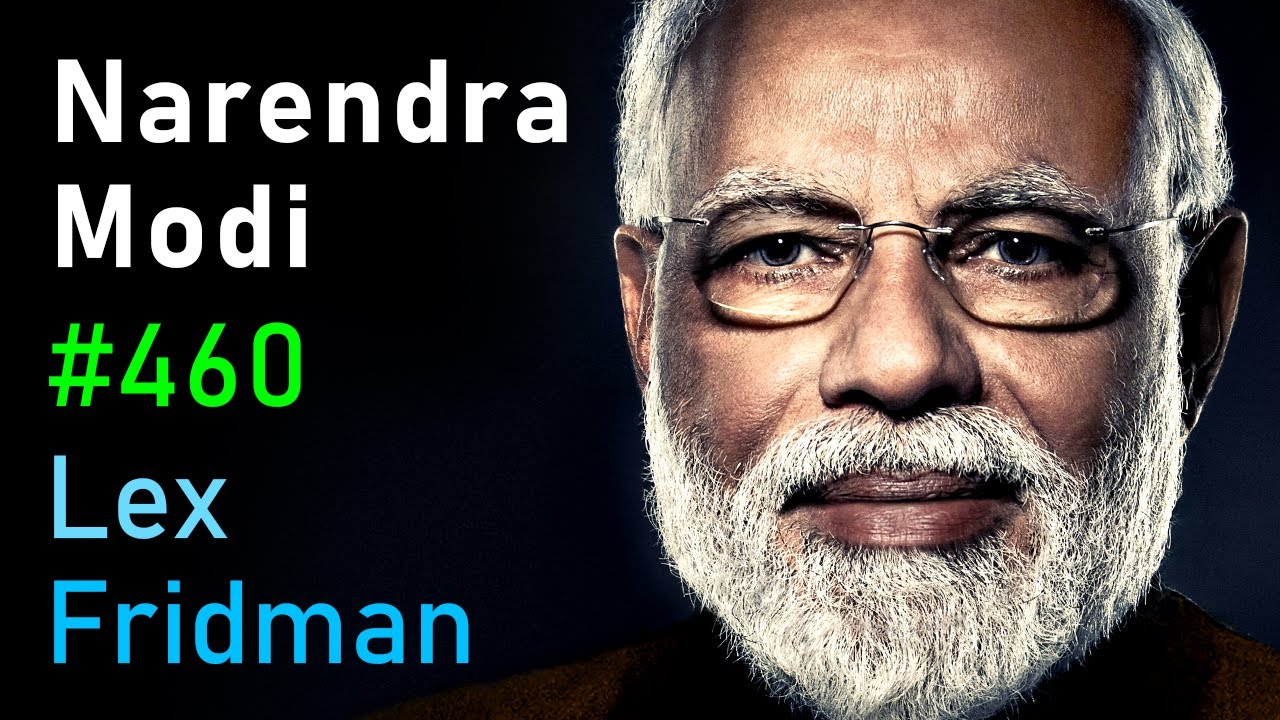
Key Insights
- Narendra Modi attributes his strength to the support of 1.4 billion Indians and India's cultural heritage, not personal power.
- Modi's foreign policy aims for equality in international relations, avoiding both subservience and dominance.
- Fasting, practiced by Modi for over 50 years, is viewed as a scientific and spiritual process enhancing discipline and introspection.
- India's governance reforms include removing 100 million fake names from the pension system, saving substantial funds.
- Modi emphasizes the importance of constructive criticism in democracy, seeing it as essential for its health.
How the conversation moved
The conversation begins with Narendra Modi discussing his personal practices and beliefs, emphasizing the role of India's cultural heritage and the support of its people as the foundation of his strength. He highlights fasting as a scientific and spiritual practice that has shaped his discipline and introspection over decades. This sets the stage for understanding Modi's leadership style, which is deeply rooted in tradition and collective identity rather than individual power.
Modi then shifts to discussing India's foreign policy, where he articulates a vision of equality and peace in international relations. He stresses that India will not be subservient nor dominant, aiming for a balanced global stance. This is exemplified in his attempts to foster peace with Pakistan, despite historical tensions. Modi's approach reflects a strategic positioning of India as an equal player on the world stage, advocating for peace and cooperation.
Despite the comprehensive narrative, Lex Fridman does not challenge Modi's framing of India's foreign policy or his personal practices. The conversation lacks explicit pushback, leaving room for debate on whether Modi's strategies effectively address the complexities of international diplomacy and internal governance. While Modi's emphasis on peace and equality is clear, the absence of critical questioning leaves some of his claims unexamined, such as the effectiveness of his outreach to Pakistan.
The discussion concludes with Modi's reflections on governance reforms and the importance of criticism in democracy. He highlights significant achievements in streamlining governance processes, like removing millions of fake pension claims, and underscores the necessity of constructive criticism for democratic health. The conversation ends on the note that while Modi's policies aim for transparency and efficiency, the role of criticism remains crucial in ensuring these goals are met, leaving open questions about the balance between governance and accountability.
Surprising moments
In-depth
Cultural Heritage and Leadership
- Modi sees his strength as derived from cultural heritage and public support.
- He emphasizes India's historical and cultural richness as a foundation for leadership.
Foreign Policy and Peace
- India's foreign policy aims for equal standing in global relations.
- Modi's approach to Pakistan reflects a desire for peace despite historical tensions.
Fasting and Personal Discipline
- Modi practices fasting as a scientific and spiritual discipline.
- He has fasted for over 50 years, integrating Ayurvedic practices.
Governance Reforms
- Removal of fake names from the pension system saved significant funds.
- Reforms aim to increase transparency and reduce inefficiencies.
Democracy and Criticism
- Modi views constructive criticism as essential for democracy.
- He distinguishes between genuine criticism and baseless allegations.
Notable Quotes
My strength lies not in my name, but in the backing of 1.4 billion Indians and thousands of years of timeless culture and heritage.
Still open
- Modi's outreach to Pakistan was met with hostility; the effectiveness of this diplomatic strategy remains uncertain.