New Lex Fridman Insight: Nathalie Cabrol: Search for Alien Life
Sent June 11, 2026
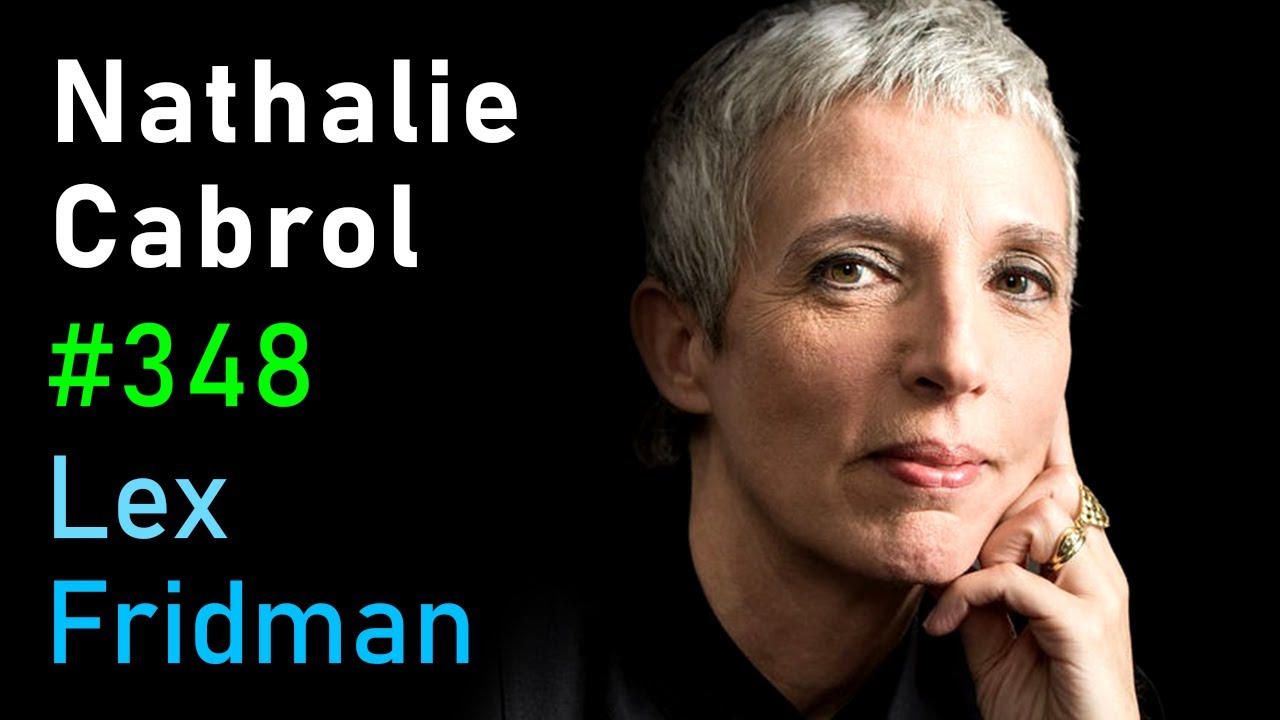
Key Insights
- Nathalie Cabrol highlights the potential for life on Mars, suggesting it may exist in dormant states due to climate adaptation.
- The concept of panspermia is explored, indicating life's building blocks may be distributed by comets, but it doesn't explain life's origin.
- Cabrol challenges the Fermi paradox, arguing it's anthropomorphic and overlooks the complexity of life and civilization evolution.
- The SETI Institute's focus has expanded beyond extraterrestrial intelligence to include extensive work on exoplanets and astrobiology.
- Cabrol emphasizes the urgency of addressing Earth's sixth mass extinction, with 150 species going extinct daily.
How the conversation moved
Lex Fridman introduces Nathalie Cabrol by framing the central question around the search for alien life, particularly on Mars. Cabrol begins by recounting her journey into astrobiology, emphasizing her work with extreme environments on Earth as analogs for Martian conditions. She shares her insights into the Viking mission's historical significance and the initial confusion over its data, which some misinterpreted as evidence of life on Mars. This sets the stage for a broader discussion on the challenges of identifying life beyond Earth, highlighting the complexity of interpreting potential biosignatures.
Cabrol's main argument centers on the potential for life on Mars, suggesting that it might exist in dormant states due to the planet's climate changes. She supports this claim with evidence of carbon isotopes found at Gale Crater, which, while not definitive, raise intriguing questions about past life. Cabrol also discusses the theory of panspermia, which posits that life's building blocks could be distributed throughout the universe by comets and asteroids. This leads to a broader consideration of life's origins and the possibility that similar processes could occur on Mars and other planets.
Lex challenges Cabrol's views on the Fermi paradox, which she dismisses as anthropomorphic. Cabrol argues that it oversimplifies the complexity of life and civilization evolution, suggesting that our understanding is limited by human-centric assumptions. Lex also questions the role of AI in solving the mysteries of life's origins, to which Cabrol responds by emphasizing the need for human insight and creativity in scientific exploration. This tension highlights differing perspectives on how technology might aid or hinder our search for extraterrestrial life.
The conversation concludes with Cabrol reflecting on the importance of ecological responsibility, drawing parallels between the search for life beyond Earth and the need to preserve life on our planet. She underscores the urgency of addressing the current mass extinction crisis, emphasizing that technology should be leveraged to mitigate ecological damage. The discussion pivots to the SETI Institute's evolving mission, which now includes a significant focus on exoplanets and astrobiology, demonstrating a strategic shift in the search for extraterrestrial life.
Surprising moments
In-depth
Mars Exploration and Life
- Cabrol suggests Mars may have been habitable earlier than Earth, potentially hosting life in dormant states.
- The presence of C12 carbon isotopes at Gale Crater raises questions about potential biosignatures.
- Mars' rapid formation and water presence could have supported early life.
Panspermia and Life's Origins
- Panspermia proposes life's building blocks are distributed by comets and asteroids.
- This theory doesn't explain the origin of life but suggests a universal distribution of its components.
SETI Institute's Evolving Mission
- SETI's focus now includes exoplanets and astrobiology, beyond just extraterrestrial intelligence.
- NASA funds the search for technosignatures, looking for disequilibrium in planetary atmospheres.
Ecological Responsibility and Extinction
- Cabrol highlights the sixth mass extinction, with 150 species going extinct daily.
- She emphasizes using technology to mitigate ecological damage and preserve biodiversity.
Notable Quotes
I have been always curious about life in the universe and about questions on how we got to be here and the bigger question.
Still open
- Cabrol wonders about the potential for life on Mars to exist in dormant states, adapting to changing conditions.
- Lex asks how AI might contribute to understanding the origins of life, a question Cabrol leaves open.