New Lex Fridman Insight: Nick Bostrom: Simulation and Superintelligence
Sent June 11, 2026
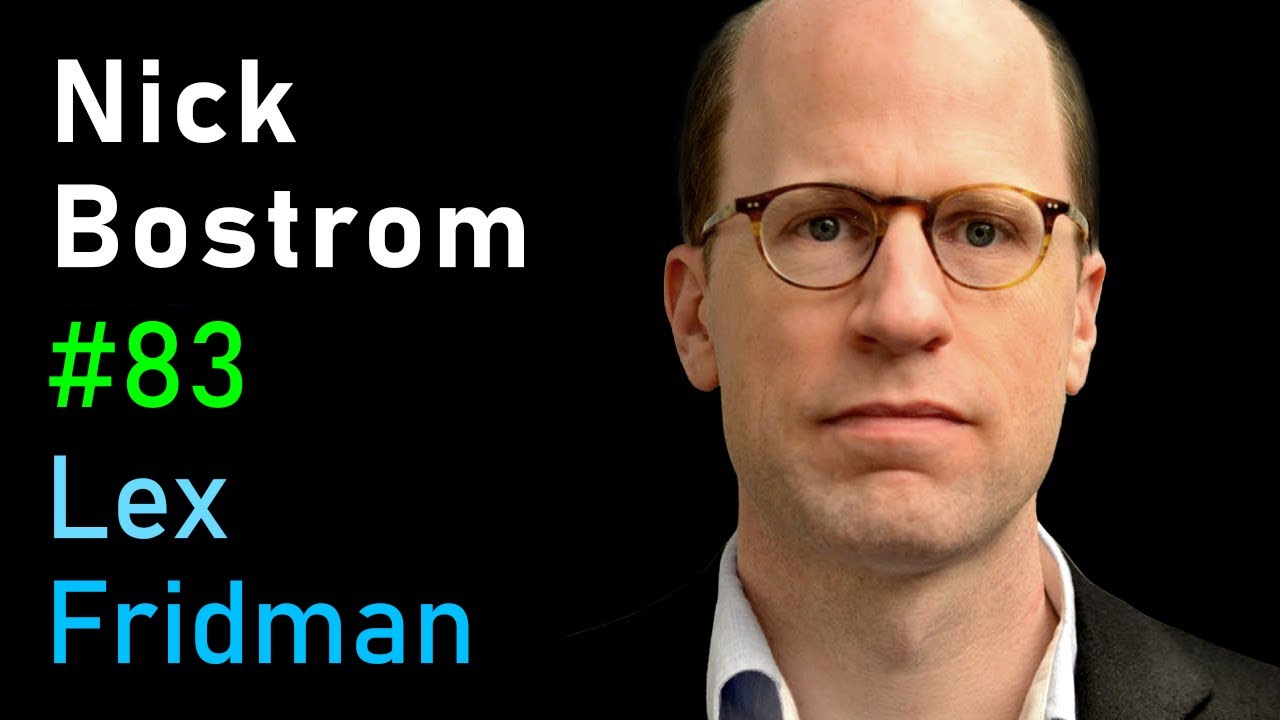
Key Insights
- Nick Bostrom's simulation argument suggests that if advanced civilizations exist, they might create simulations indistinguishable from reality.
- The Doomsday Argument posits that humanity's future extinction is more probable than assumed, based on our birth rank among all humans.
- Superintelligence could radically transform civilization's goals, potentially leading to an intelligence explosion.
- The self sampling assumption is crucial for making scientific inferences in cosmology and the simulation argument.
- Bostrom suggests that AGI could lead to a utopian future by expanding material and resource constraints.
How the conversation moved
The episode begins with Nick Bostrom introducing the simulation hypothesis, which posits that our reality might be a computer simulation created by an advanced civilization. Bostrom distinguishes between the hypothesis and the simulation argument, which presents three propositions regarding the fate of civilizations and their ability to create simulations. One key proposition is that almost all civilizations at our current stage of technological development go extinct before reaching technological maturity. This framing sets up a discussion on the implications of living in a simulation and the philosophical questions it raises about reality and existence.
Bostrom further delves into the Fermi Paradox and existential risks, exploring why we might be the only civilization or why others have gone extinct. He introduces the Doomsday Argument, which suggests that humanity's future extinction is more probable than assumed, based on our birth rank among all humans. This argument implies a need to reassess existential risks and prioritize long-term survival strategies. Bostrom also discusses the convergence hypothesis, which posits that civilizations may reach technological maturity but choose not to create simulations, adding complexity to the simulation argument.
Lex Fridman pushes back on the idea that the impact of our decisions is minor, arguing that actions from 100 years ago still affect the world today. This moment of tension highlights the ongoing debate about the significance of individual and collective actions in shaping the future. Bostrom acknowledges this point but maintains that the broader existential risks and the potential for superintelligence require a proactive approach. The conversation touches on the self sampling assumption, which is crucial for making scientific inferences in cosmology and the simulation argument, emphasizing its role in existential risk assessment.
The discussion shifts to the nature and impact of superintelligence, with Bostrom exploring how it could lead to an intelligence explosion and radically transform civilization's goals. He distinguishes between near-term and long-term AI impacts, noting that superintelligence might address many of the world's current problems. The episode concludes with a reflection on the potential for AGI to expand material and resource constraints, leading to a utopian future where multiple value systems can coexist. This optimistic outlook contrasts with the existential risks discussed earlier, leaving open questions about how humanity will navigate these challenges.
Surprising moments
In-depth
Simulation Hypothesis and Argument
- The simulation hypothesis suggests we might live in a computer simulation.
- Bostrom distinguishes between the hypothesis and the argument, which presents three propositions about civilization's fate.
- The argument implies that if simulations are possible, we might already be in one.
Existential Risks and the Doomsday Argument
- The Doomsday Argument suggests humanity's extinction is more probable than assumed.
- Existential risks are crucial for assessing long-term survival strategies.
- The Fermi Paradox raises questions about the existence of other civilizations.
Superintelligence and its Implications
- Superintelligence could lead to an intelligence explosion.
- AI impacts are divided into near-term and long-term concerns.
- Superintelligence might transform civilization's optimization goals.
Anthropic Reasoning and Scientific Inference
- The self sampling assumption is key in cosmology and simulation arguments.
- This assumption affects how we interpret multiverse theories.
- Anthropic reasoning influences existential risk assessments.
Notable Quotes
If we are in a simulation, there is then the possibility that say physics at the level where the computer running the simulation could be different from the physics governing phenomena in the simulation.
Still open
- Lex asked whether the potential for superintelligence to solve global issues outweighs the existential risks it poses.
- Bostrom questioned if civilizations reaching technological maturity would choose to create simulations or pursue other priorities.