New Lex Fridman Insight: Nick Lane: Origin of Life, Evolution, Aliens, Biology, and Consciousness
Sent May 30, 2026
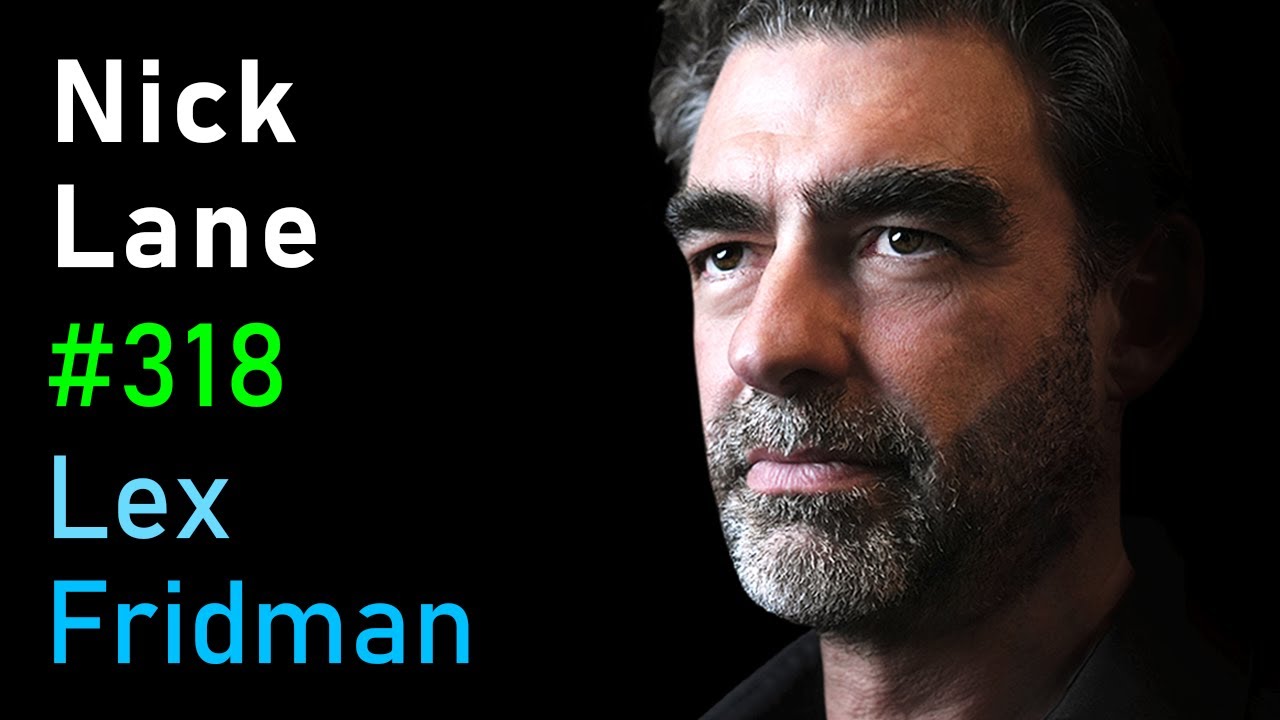
Key Insights
- Hydrothermal vents may have been the cradle of life, with exergonic reactions between CO2 and hydrogen as the energy source.
- DNA's stability over RNA suggests a significant evolutionary leap in information storage and complexity.
- Nick Lane posits that eukaryotic cells emerged once, marking a critical juncture in life's complexity.
- Lane argues that AI might dominate space exploration, potentially outpacing human involvement.
How the conversation moved
Lex Fridman introduces the episode by framing the central question around the origin of life and its implications for understanding evolution and the potential for life beyond Earth. Nick Lane begins by discussing the chemical processes that might have led to the origin of life, emphasizing the role of hydrothermal vents and the energy provided by reactions between carbon dioxide and hydrogen. Lane argues that these conditions could have been the cradle for life, challenging the panspermia hypothesis by suggesting life could independently arise under similar conditions elsewhere.
Lane's main argument centers on the transition from RNA to DNA as a pivotal evolutionary leap that allowed for greater complexity and stability in life forms. He explains how DNA's ability to store genetic information more stably than RNA was crucial for the development of complex organisms. Lane also discusses the emergence of eukaryotic cells, which he posits happened only once in Earth's history, marking a critical juncture in the evolution of complex life. This singular event underscores the uniqueness of Earth's biological history and the potential rarity of complex life elsewhere in the universe.
Lex Fridman challenges Lane's views on the potential for AI to achieve consciousness and emotional intelligence, questioning whether AI could truly replicate the complexity of human emotions without experiencing internal conflict. Lane pushes back, arguing that such conflict is essential for meaningful emotional experiences, suggesting that AI might dominate in fields like space exploration but may not replicate human emotional depth. This tension highlights the broader debate on the capabilities and limitations of AI in replicating human-like consciousness and emotions.
The conversation concludes with Lane speculating on the future role of AI in space exploration, suggesting it could surpass human capabilities and redefine humanity's role in the cosmos. Lane expresses a pessimistic view on the likelihood of intelligent life existing elsewhere, suggesting that humans may be unique in their development. The episode ends on an open note, with Lane and Fridman pondering the implications of these ideas for the future of humanity and the universe, leaving several questions about the intersection of AI, evolution, and consciousness open for further exploration.
Surprising moments
In-depth
Origin of Life
- Hydrothermal vents as a potential cradle of life.
- Exergonic reactions between CO2 and hydrogen provided energy.
- Oxygen in the atmosphere prevents new life formation.
Evolutionary Biology
- Transition from RNA to DNA as a key evolutionary leap.
- Eukaryotic cells emerged once, allowing complex life.
- Photosynthesis as a rare evolutionary event.
AI and Space Exploration
- AI may surpass humans in space exploration.
- AI's role in future technological advancements.
Notable Quotes
The source of energy at the origin of life is the reaction between carbon dioxide and hydrogen.
Still open
- Lex asked whether AI could truly replicate human emotions without experiencing internal conflict, leaving the question open.
- Lane pondered on the uniqueness of intelligent life in the universe, questioning whether humans are alone in their complexity.